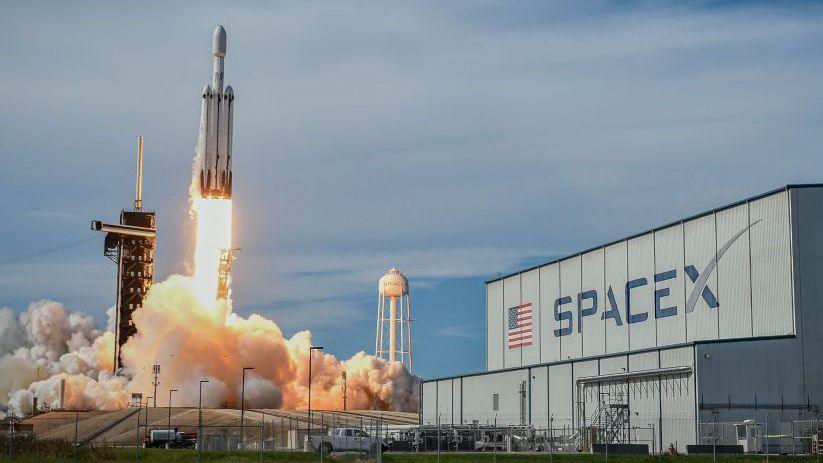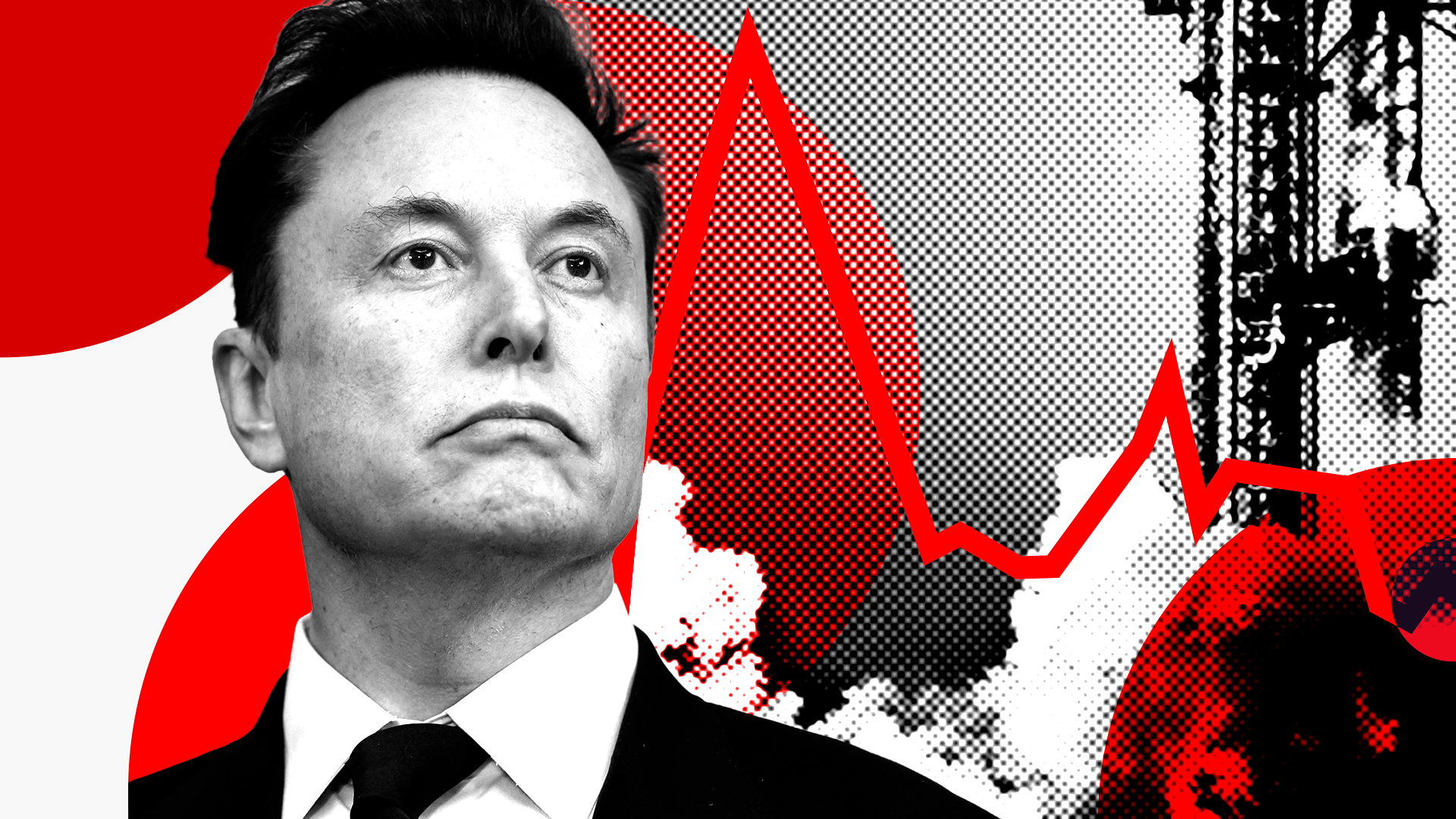
Elon Musk’s SpaceX debuted on the Nasdaq on 12 June, priced at $135 a share. The opening day saw a rapid climb to $160.95, an unprecedented surge that stunned investors and set a record for the largest initial public offering.
Within a week the price peaked at $225, temporarily eclipsing the market value of Amazon and Microsoft. The spike coincided with the announcement that SpaceX would buy the AI‑startup Cursor in an all‑stock deal, energising investors who saw the company as an artificial‑intelligence play.
The excitement has since ebbed. Starlink’s decision to cut prices in Memphis on 1 July caused a 8% drop and the company’s underlying business focus has surfaced in the markets. Shares are now trading around $145, a decline of nearly 18% from the first‑day high.
Retail investors who purchased during the first five days now face losses. Analysing the movement, some commentators consider the rally a "meme‑stock" experience, similar to GameStop or Wendy’s, where online enthusiasm drives price rather than fundamentals.
Morgan Stanley, the lead banker on the IPO, has maintained a target of $300 for SpaceX—a 33% rise from today’s peak. They predict a sharp move when the first earnings report and the end of the lock‑up period arrive in early August.
Musk himself has hinted at $1 trillion in annual revenue by 2030. While optimistic, current operations run at a loss, generating $18bn in revenue last year. Investors now wait to see whether the company’s public earnings will support this sizeable valuation.