T. rex 'Gus' May Be Most Expensive Fossil Ever – Science Voices Concern
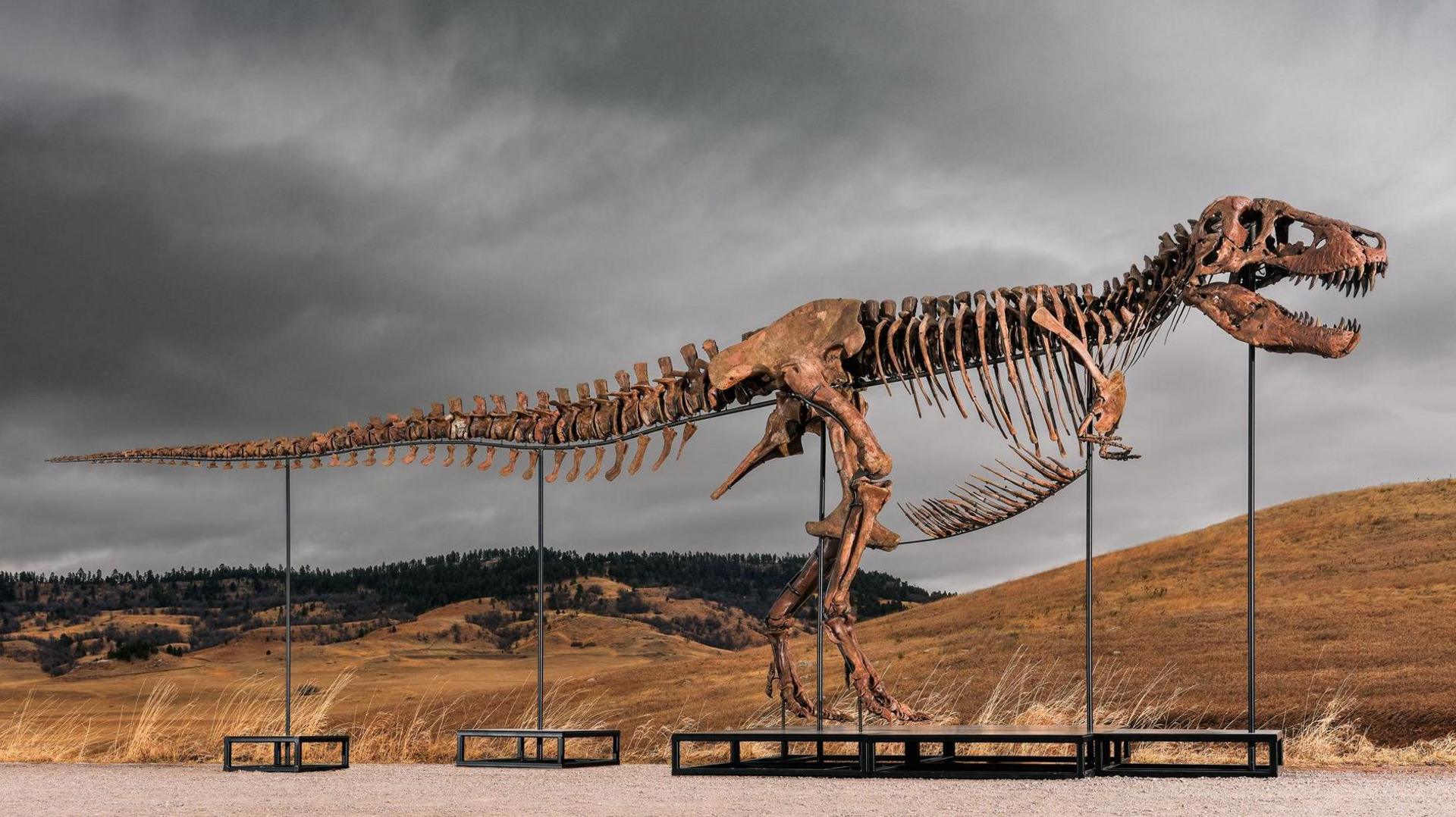
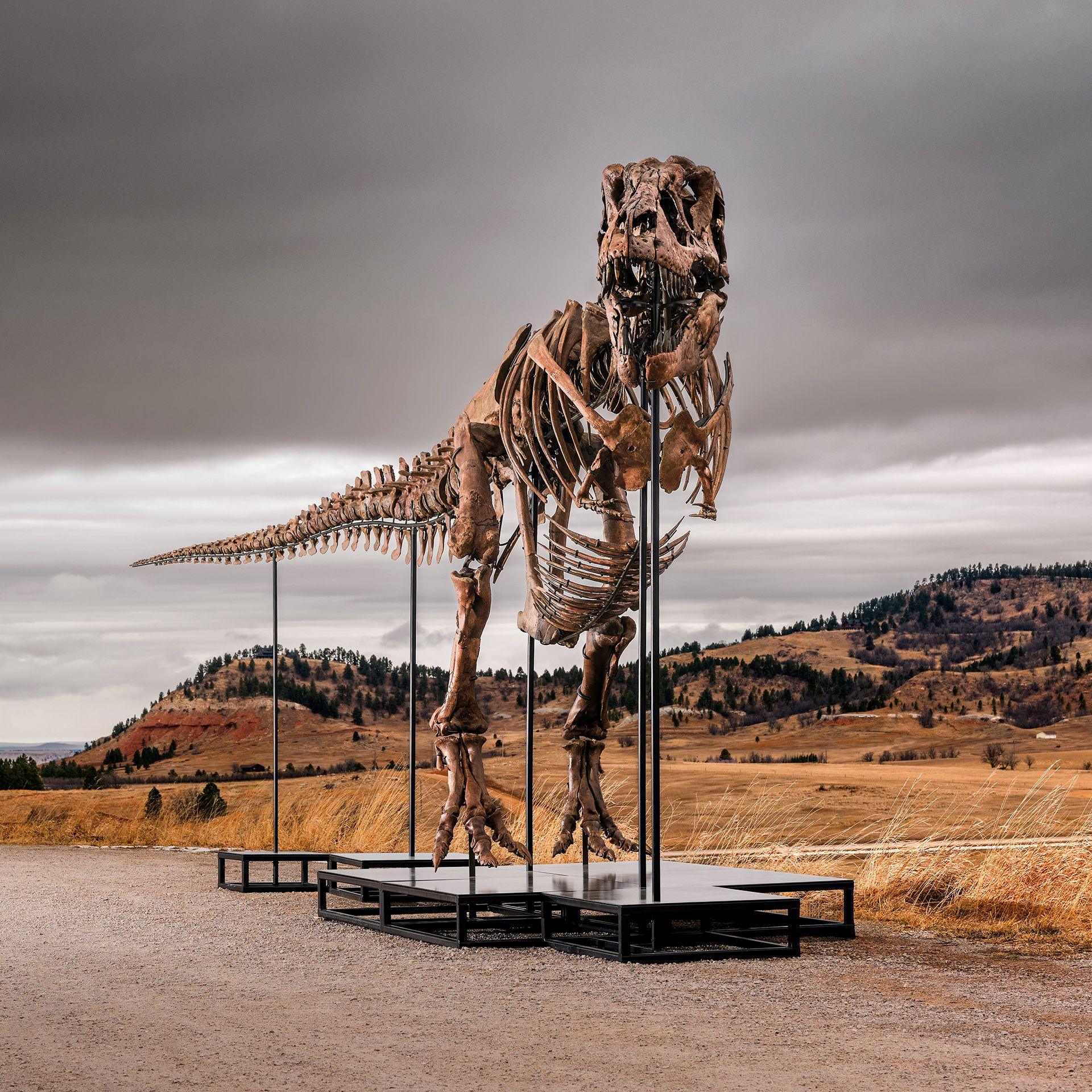
A nearly complete Tyrannosaurus rex skeleton, nicknamed ‘Gus’, has entered Sotheby’s auction with a pre‑sale value of $30m (about £24m). The piece was discovered in the Badlands of South Dakota and judged by palaeontologists to be one of the most complete T. rex skeletons ever found.
While the auction could set a new record for fossils, scientists underline that the specimen’s scientific value may be lost if it ends up in a private collection. “If a fossil is sold into a private hand, no one can study it,” says Professor Susannah Maidment of London’s Natural History Museum. The ability to re‑examine specimens over time is a cornerstone of palaeontological research, and the loss could hamper future discoveries.
Cassandra Hatton, global head of natural history at Sotheby’s, argues that the price reflects both the rarity of the specimen and the risky work involved in uncovering and documenting it. She points to a large bite mark on the skull and broken ribs that healed, indicating a significant life event for the dinosaur.
Dr Fiann Smithwick, a professional fossil hunter, cautions that the commercial auction model can pressure excavators to sell rather than share. Yet he also acknowledges that private philanthropy has historically supported museum collections.
The auction, scheduled for Tuesday, could see bids rise to unprecedented heights. Sellers have set a minimum bid of $19m, which is already above the budget of many major museums worldwide. This situation raises the question: should priceless scientific heritage be treated like high‑value art?
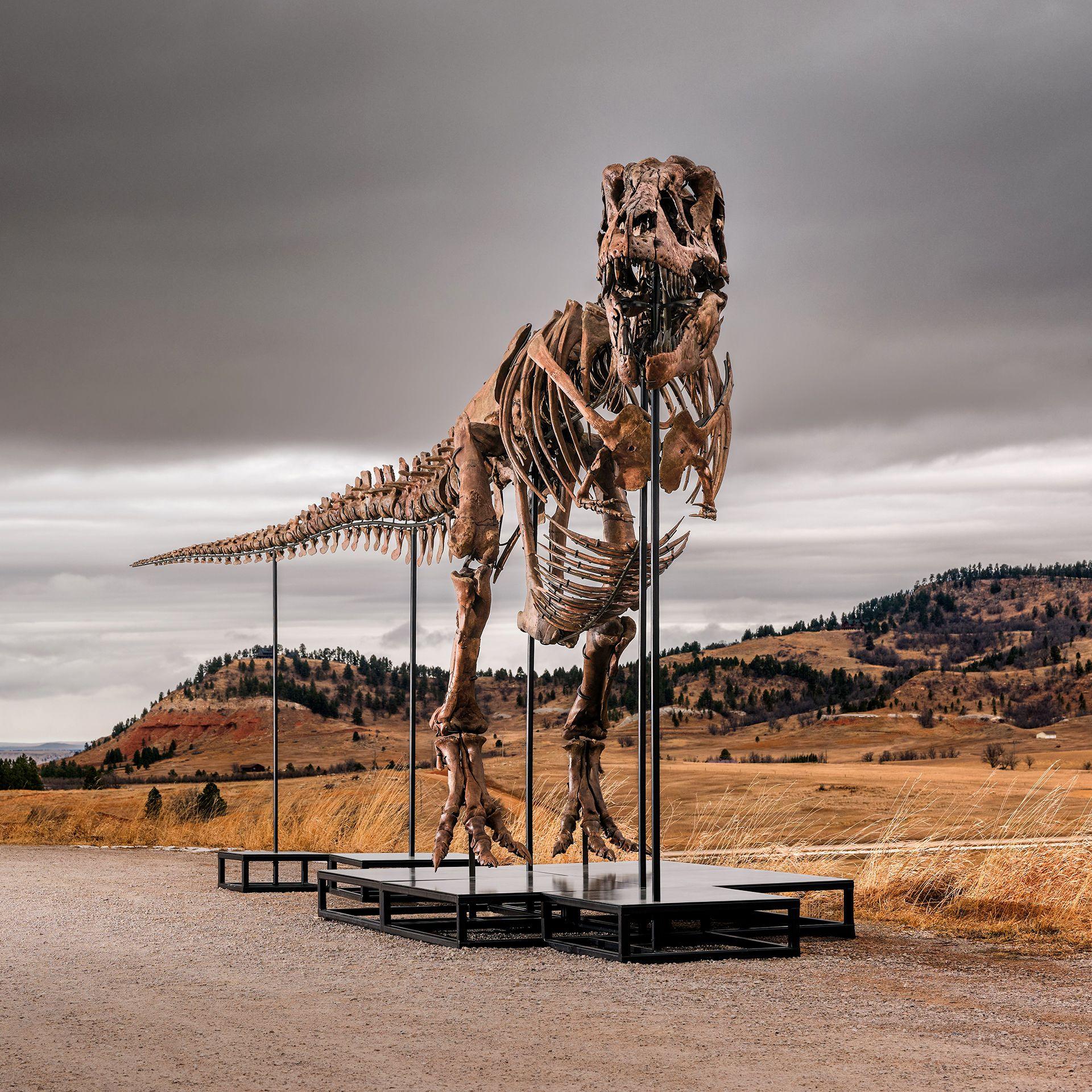
Image: The T. rex skeleton ‘Gus’ displayed outdoors in the Badlands, South Dakota.
This auction spotlights a broader global conversation on the stewardship of natural history artefacts. While rare fossils like ‘Gus’ are astonishing to the public, their scientific potential hinges on researchers having uninterrupted and open access. For the benefactors, the expensive reward and the prestige of owning a piece of Earth’s deep past remain a tantalising prospect.