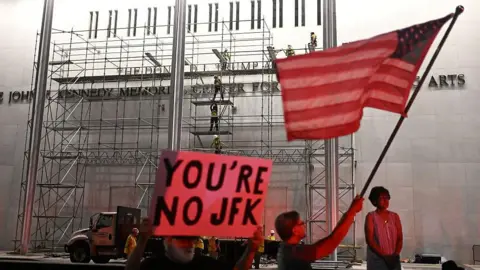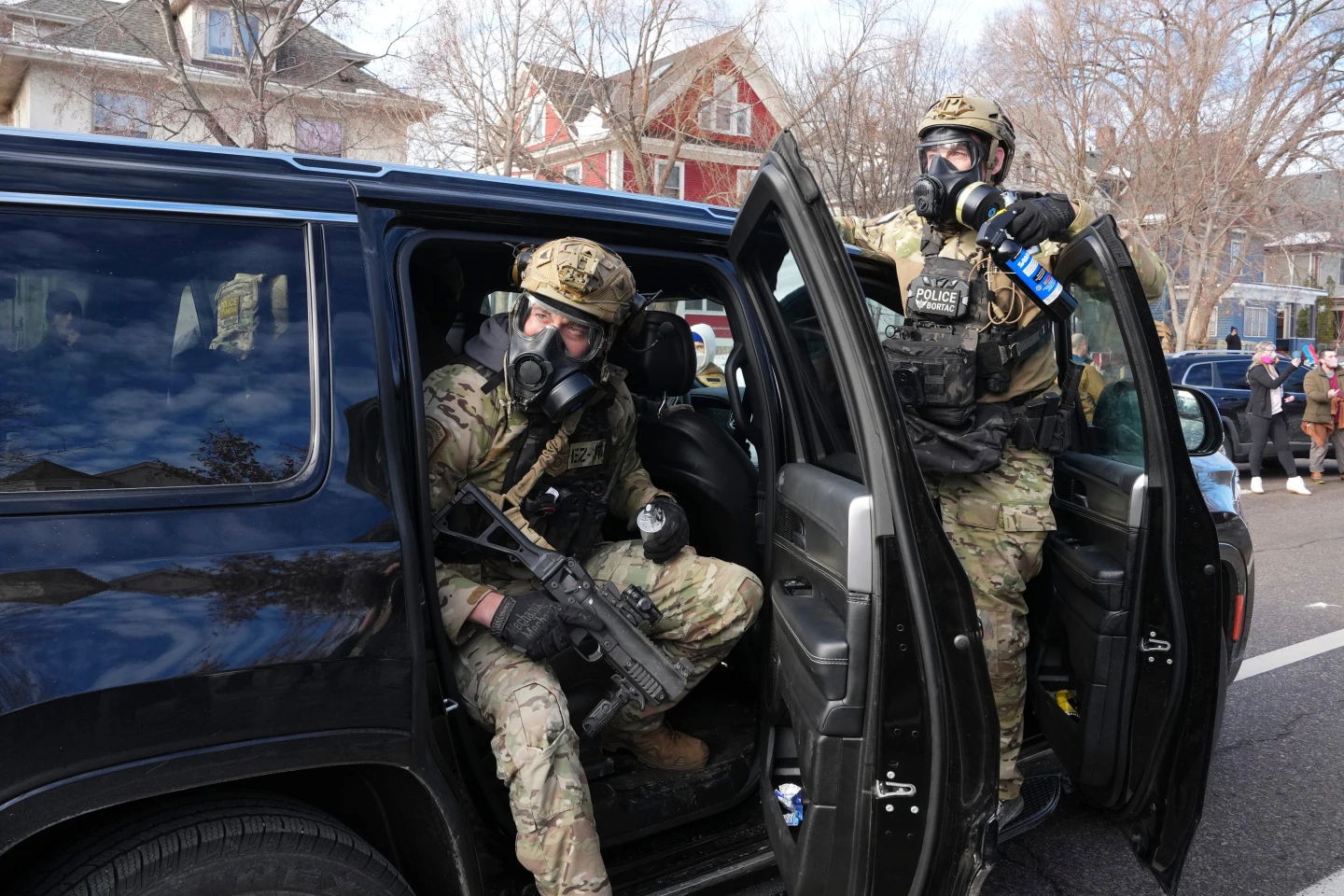
MINNEAPOLIS (AP) — Tensions are escalating in Minnesota as protests continue against federal immigration agents in the wake of a shooting that left a local woman dead. Days of demonstrations have rocked the state, particularly after Immigration and Customs Enforcement (ICE) officers used tear gas to disperse crowds during clashes between protestors and law enforcement.
On Monday, protests erupted in Minneapolis and St. Cloud, where hundreds gathered to express their outrage over the presence of federal agents in their communities. This unrest comes just after the Department of Homeland Security (DHS) announced the deployment of over 2,000 immigration officers to Minnesota, described as their largest crackdown ever.
In response, Minnesota state officials, alongside leaders from Minneapolis and St. Paul, filed a lawsuit on Monday against the Trump administration to halt the immigration enforcement surge. The lawsuit alleges that the Trump administration's actions violate the First Amendment and other constitutional protections by targeting a state that is known for its progressive values and welcoming immigrant population.
Amid the protests, Minnesota Attorney General Keith Ellison condemned the actions of the federal authorities, referring to it as a 'federal invasion' of the Twin Cities. The lawsuit emphasizes a growing concern among local and state leaders regarding the impact of such federal actions on public safety and community trust.
In the tragic incident that sparked the protests, Renee Good, a 37-year-old mother, was shot in the head by an ICE officer while inside her vehicle. This incident has not only prompted widespread protests across the nation in her honor but has also drawn intense criticism of the Trump administration's immigration enforcement tactics.
The DHS has reported over 2,000 arrests made in Minnesota since December, a figure that officials say demonstrates their commitment to public safety. However, critics argue that these actions disproportionately affect communities of color and immigrant populations.
As protests continue and the legal battle unfolds, local officials stress the importance of holding federal authorities accountable for their actions. Similar concerns about immigration enforcement have been raised in other states, leading to additional lawsuits aimed at curbing aggressive tactics used by federal agents.
While Minnesota remains at the forefront of this debate, tensions are likely to persist as communities seek to assert their rights while navigating the complexities introduced by federal immigration policies.