Trump Administration Threatens Kennedy Center Demolition Amid Renovation Dispute
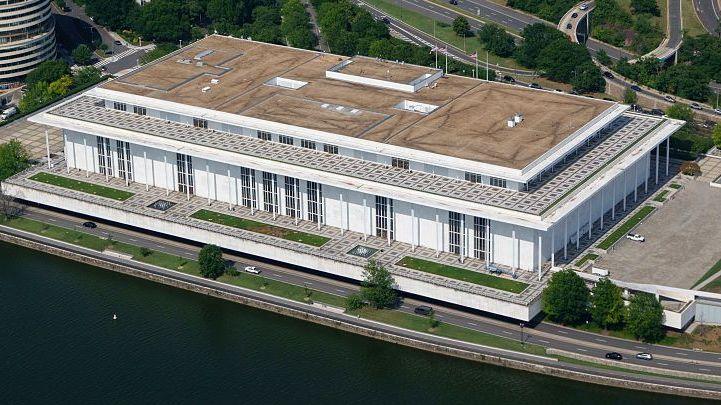
The U.S. Justice Department has threatened to demolish Washington’s Kennedy Center if a federal court blocks planned renovations, according to court filings.
After the board added President Donald Trump’s name to the venue’s facade and put the facility into a two‑year closure for overhaul, a judge ruled that the renaming was unlawful because federal law designates the building as a memorial to President John F. Kennedy and requires congressional approval for permanent name changes.
The court order led to the removal of the name from the Kennedy Center in June. In response, DOJ attorneys requested that President Trump’s name be reinstated on the building, arguing that the court’s hold would “cause donors to flee, financial contributions to dry up, and structural rehabilitation to stop.”
Trump’s legal team has said that without the renovations the building will degrade into an unsafe, corrosive structure that may have to be taken down. They have also described the venue as an “embarrassing” site for the nation’s capital.
In a move the department’s lawyer, Brantley Mayers, noted that following demolition the resulting “determination” of what will occupy the site could lead to the construction of a large outdoor amphitheatre overlooking the Potomac River.
Board members who voted in favor of the name change and the closure are largely Trump allies appointed by the president. The legal spat reflects a broader trend of President Trump’s efforts to remodel Washington‑D.C. landmarks, including the National Mall’s reflecting pool, a proposed 250‑foot Victory Arch, the White House East Wing conversion into a ballroom, and the addition of his name to institutions like the U.S. Institute of Peace.
Legal scholars argue that the court’s decision aligns with the Public Buildings and Grounds Act, which restricts changing names of federally owned memorials. The lawsuit highlights the delicate balance between executive initiative and statutory safeguards that protect the nation’s historic institutions.
The outcome of this conflict could set a precedent for future federal projects that seek to rebrand historic public venues while navigating the intricacies of U.S. law and institutional protections.