Trump Halts Planned Iran Attack Amid Gulf States' Appeal as Talks Continue
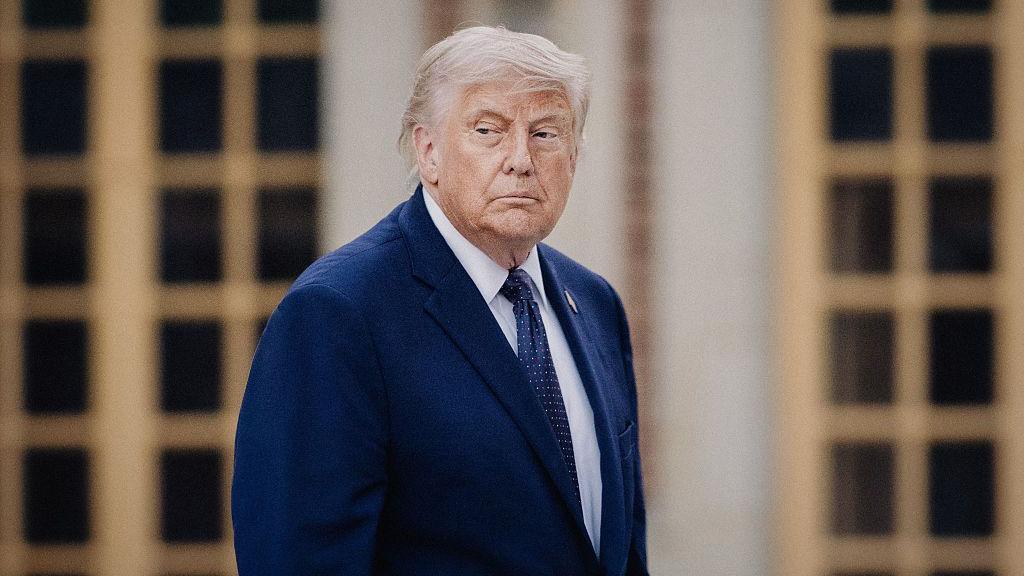
In a surprising announcement, US President Donald Trump has stated that he has postponed a military attack on Iran, initially scheduled for Tuesday, thanks to requests from leaders in the Gulf states. He indicated that significant negotiations aimed at preventing escalation with Iran are currently taking place.
Posting on Truth Social, Trump cited discussions with the leaders of Qatar, Saudi Arabia, and the United Arab Emirates as instrumental in his decision to delay military action. He emphasized that these talks could lead to an 'acceptable deal' for the United States, reiterating explicitly, 'NO NUCLEAR WEAPONS FOR IRAN!'
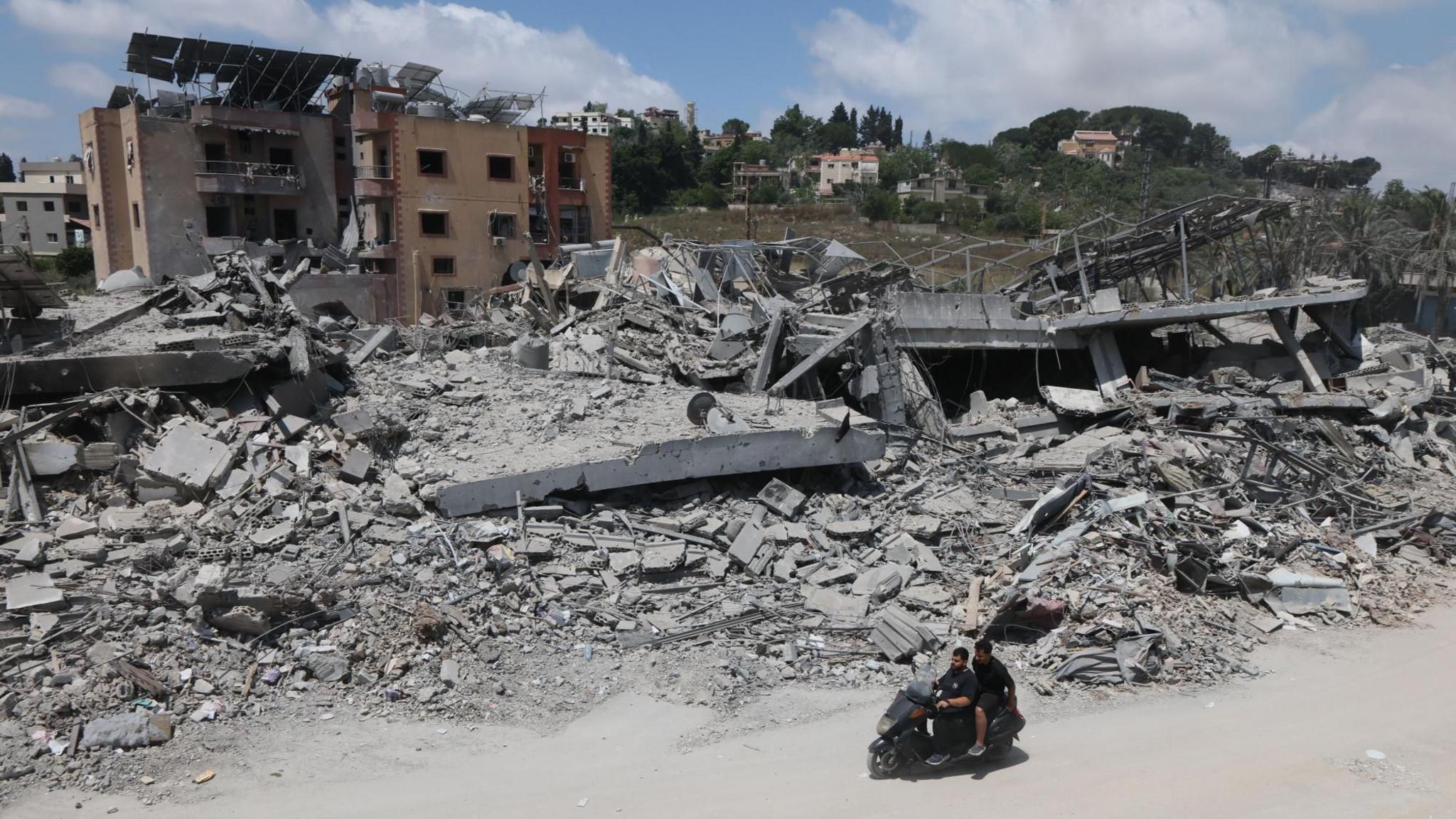
However, Trump did stress that the US is prepared to execute a 'full, large scale assault' on Iran 'at a moment’s notice' should negotiations not yield satisfactory results. This caution comes amid warnings from Iranian military officials against making 'strategic mistakes.'
Trump's diplomatic maneuvering is seen in the light of a growing domestic challenge. Current public sentiment is shifting, with data indicating that a majority of voters believe the decision to engage in conflict with Iran was misguided. According to a New York Times/Siena poll, 64% of voters disapprove of the war, with only 37% advocating for Trump's leadership.
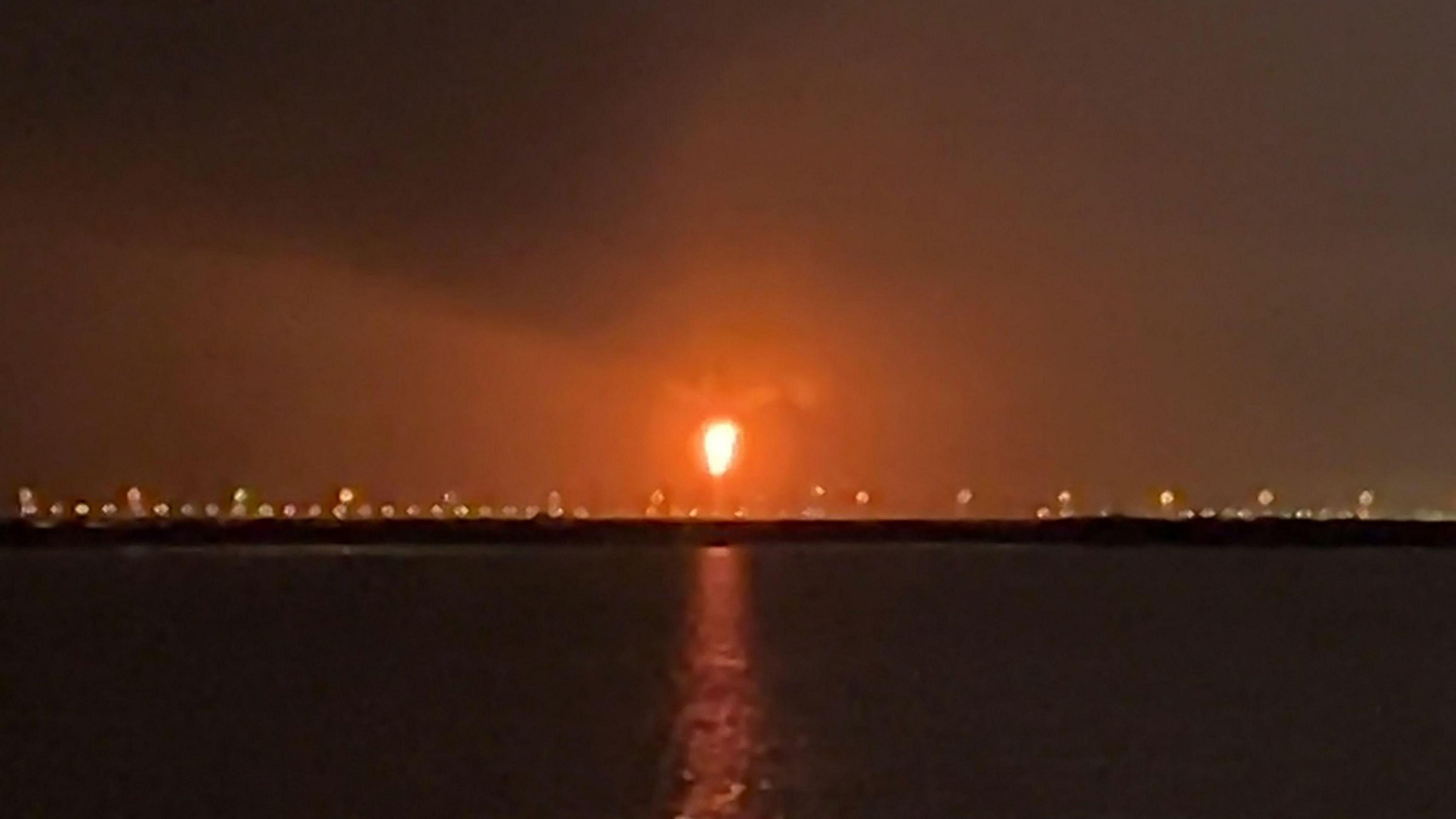
Amidst fears of Iranian retaliation, Gulf states are anxious about potential attacks if tensions escalate further. Iran continues to possess a formidable stock of drones and missiles, and has been known to retaliate against both US and Israeli targets.
Trump's recent statements onboard topics surrounding the potential for a diplomatic resolution highlight a shift in strategy. He referred to an apparent possibility of reaching an agreement with Iran that could avoid military confrontation, stating, 'If we can do that without bombing the hell out of them, I would be very happy.'
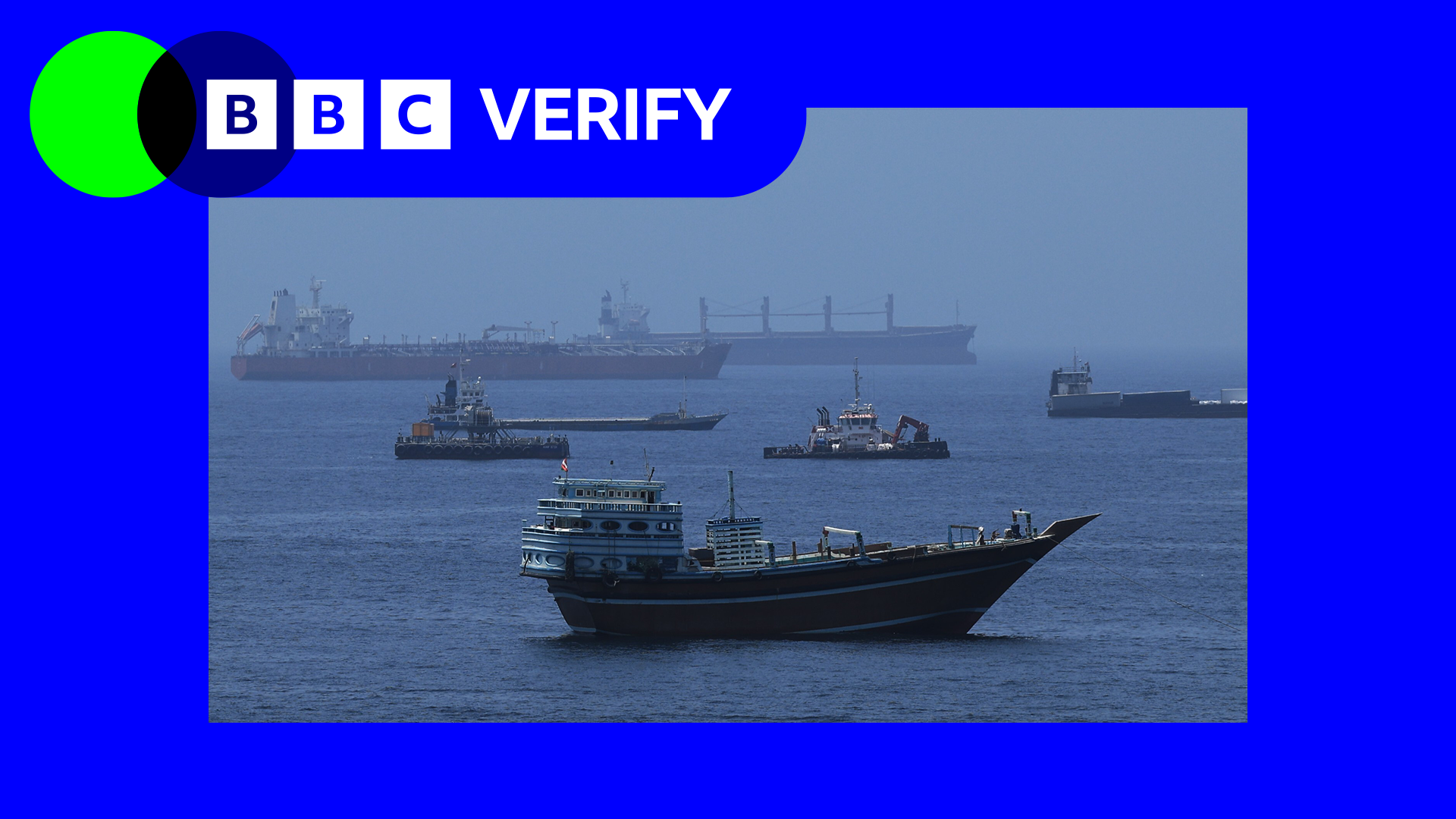
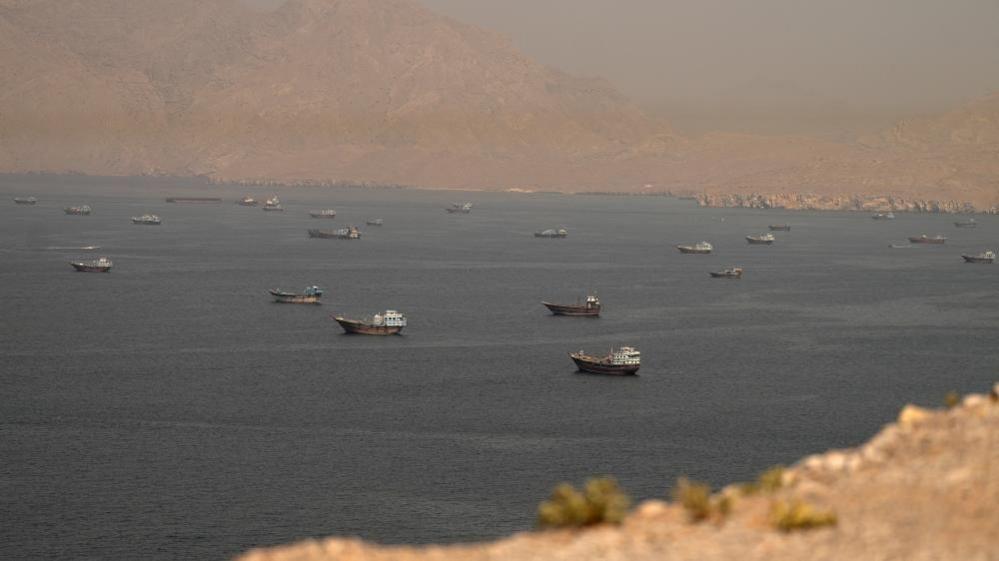
The geopolitical stakes remain high, particularly in the Strait of Hormuz, which is pivotal for global oil transport. Iran's control over this strategic waterway continues to generate international concern with oil prices soaring in response to tensions.
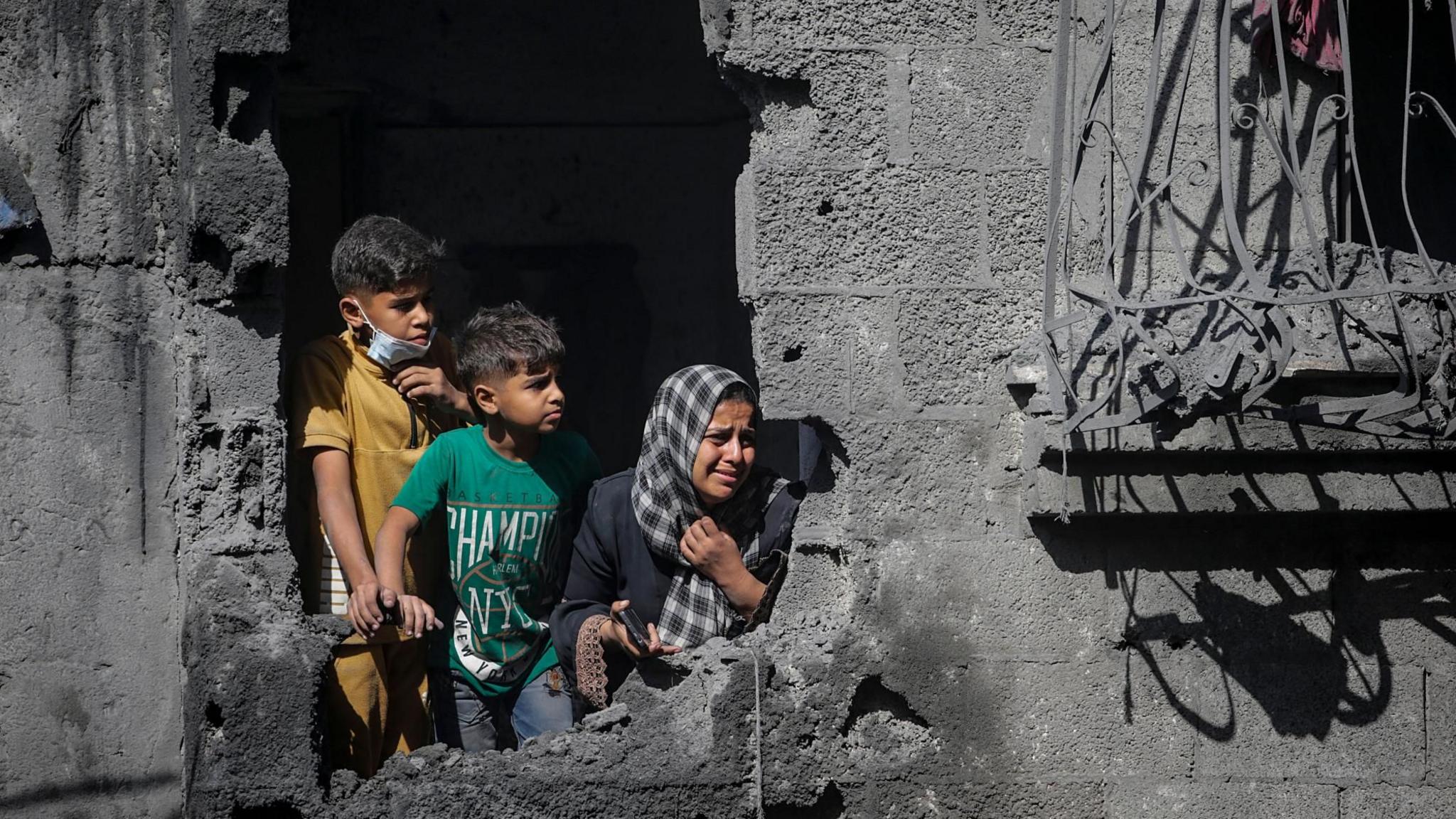
While a ceasefire established in April has generally held, intermittent violence persists, prompting international observers to closely monitor ongoing dialogues between the two nations.