US President Donald Trump has asked for at least $100bn (£75bn) in oil industry spending for Venezuela, but received a lukewarm response at the White House as one executive warned the South American country was currently uninvestable.
Bosses of the biggest US oil firms who attended the meeting acknowledged that Venezuela, sitting on vast energy reserves, represented an enticing opportunity.
But they said significant changes would be needed to make Venezuela an attractive investment. No major financial commitments were immediately forthcoming.
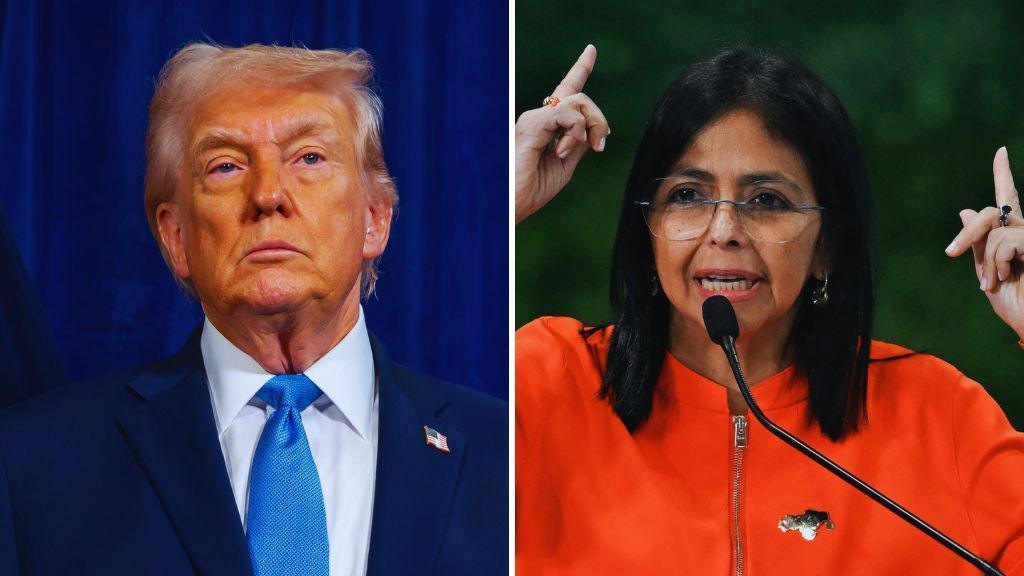
Trump has said he will unleash the South American nation's oil after US forces seized its leader Nicolas Maduro in a 3 January raid on its capital.
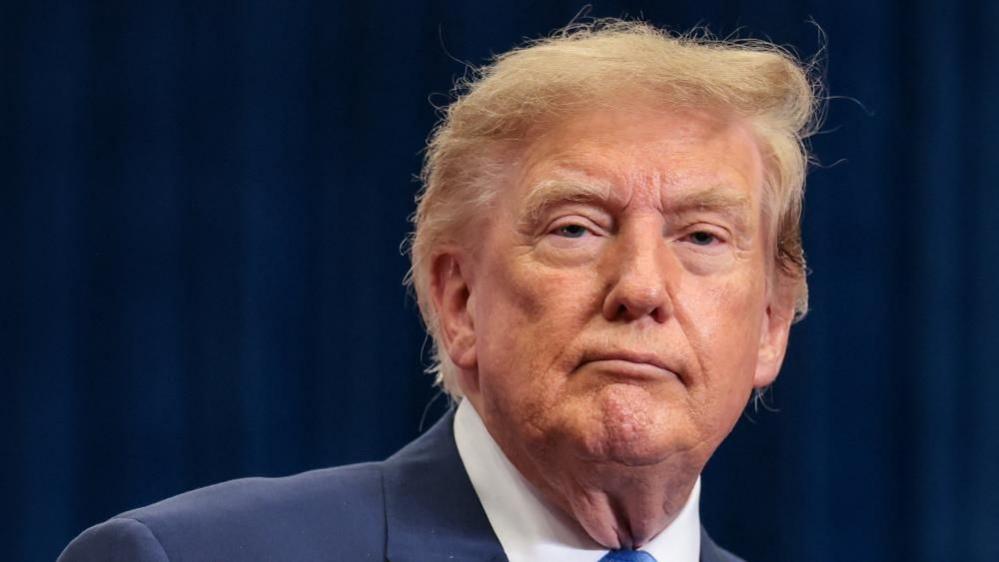
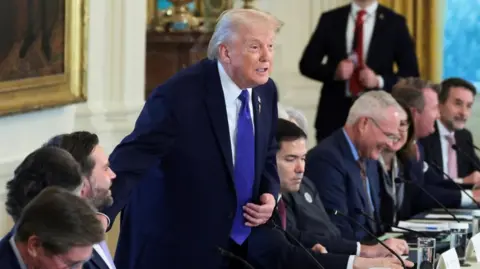
One of the things the United States gets out of this will be even lower energy prices, Trump said in Friday's meeting in the White House.
But the oil bosses present expressed caution.
Exxon's chief executive Darren Woods said: We have had our assets seized there twice and so you can imagine to re-enter a third time would require some pretty significant changes from what we've historically seen and what is currently the state.
Today it's uninvestable.
Venezuela has had a complicated relationship with international oil firms since oil was discovered in its territory more than 100 years ago.
Certainly, Chevron is the last remaining major American oil firm still operating in the country. A handful of companies from other countries, including Spain's Repsol and Italy's Eni, both of which were represented at the White House meeting, are also active.
Trump said his administration would decide which firms would be allowed to operate.
You're dealing with us directly. You're not dealing with Venezuela at all. We don't want you to deal with Venezuela, he said.
The White House has said it is working to selectively roll back US sanctions that have restricted sales of Venezuelan oil.
Officials say they have been coordinating with interim authorities in the country, which is currently led by Maduro's former second-in-command, Vice-President Delcy Rodríguez.
But they have also made clear they intend to exert control over the sales, as a way to maintain leverage over Rodríguez's government.
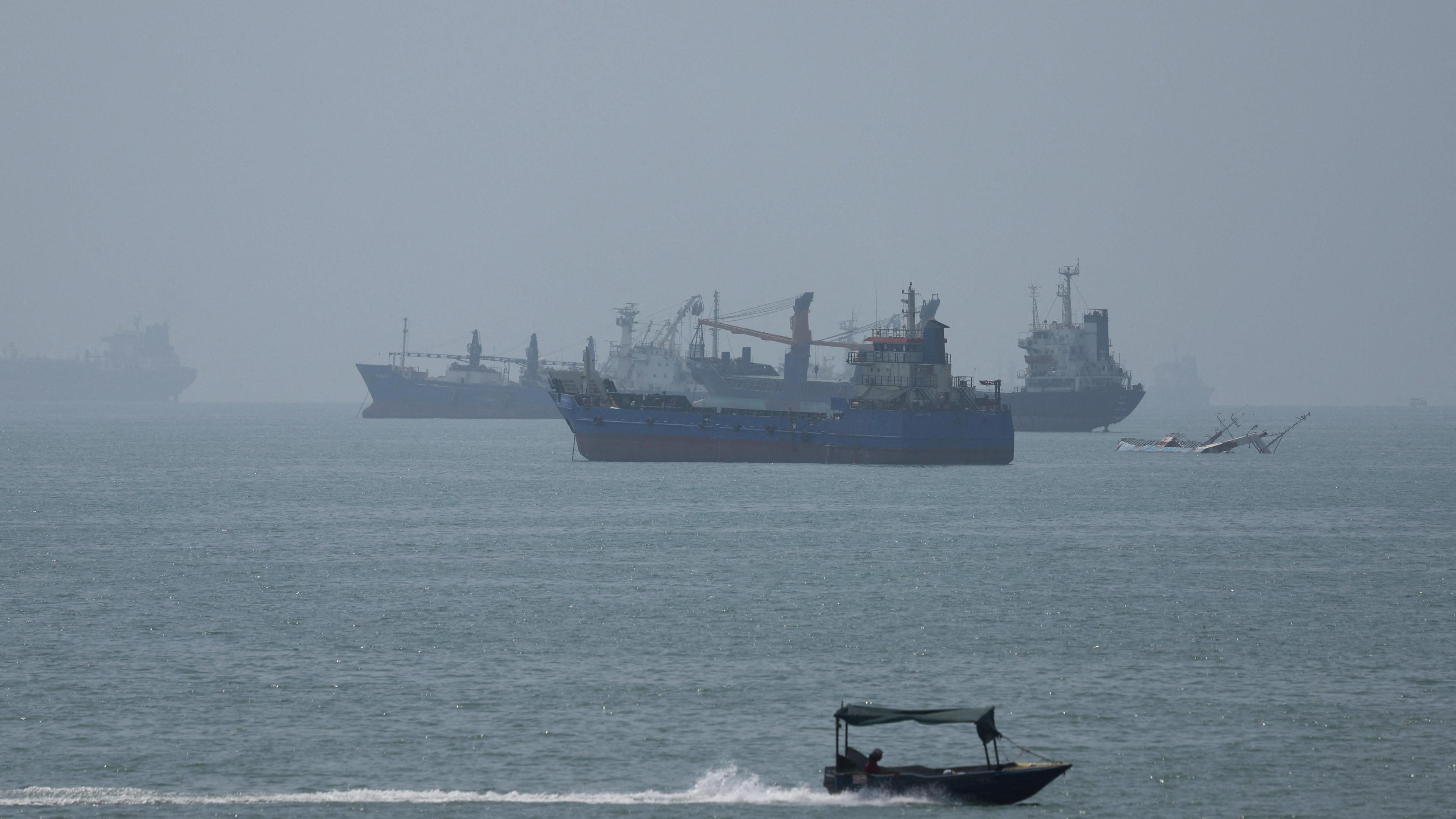
The US this week has seized several oil tankers carrying sanctioned crude. American officials have said they are working to set up a sales process, which would deposit money raised into US-controlled accounts.
We are open for business, Trump said.
Venezuela's oil production has been hit in recent decades by disinvestment and mismanagement - as well as US sanctions. At roughly one million barrels per day, the country accounts for less than 1% of global supply.
Certainly, Chevron, which accounts for about a fifth of the country's output, said it expected to bolster its production, building on its current presence, while Exxon said it was working to send in a technical team to assess the situation in the coming weeks.
Repsol, which currently boasts output of about 45,000 barrels per day, said it saw a path to triple its production in Venezuela over the next few years under the right conditions.
Executives at other firms also said Trump's promises of change would encourage investment and they were hoping to seize the moment.
We are ready to go to Venezuela, said Bill Armstrong, who leads an independent oil and gas driller. In real estate terms, it is prime real estate.
But analysts say meaningfully increasing production would take significant effort.
David Goldwyn, president of the energy consultancy Goldwyn Global Strategies and former US state department special envoy for international energy affairs, noted that Exxon and Shell are not going to invest single-digit billions of dollars, much less tens of billions of dollars, without physical security, legal certainty, and a competitive fiscal framework.
While smaller companies might be more eager to jump in and help boost Venezuela's oil production over the next year, those investments would likely hover in the $50m range - far from the fantastical $100bn figure that Trump has floated.
Rystad Energy estimates it would take $8bn to $9bn in new investments per year for production to triple by 2040.
Trump's suggested $100bn of investment into Venezuela could have a major impact on production - if it were to materialize, said the firm's chief economist, Claudio Galimberti.
He said companies would only be likely to invest on that scale with subsidies - and political stability. Americans should not expect the situation in Venezuela to lower oil prices anytime soon, he added.
It's going to be difficult to see big commitments before we have a fully stabilized political situation and that is anybody's guess when that happens, he said.
Additional reporting by Danielle Kaye