UN Human Rights Chief Warns Of Rising Iran Executions
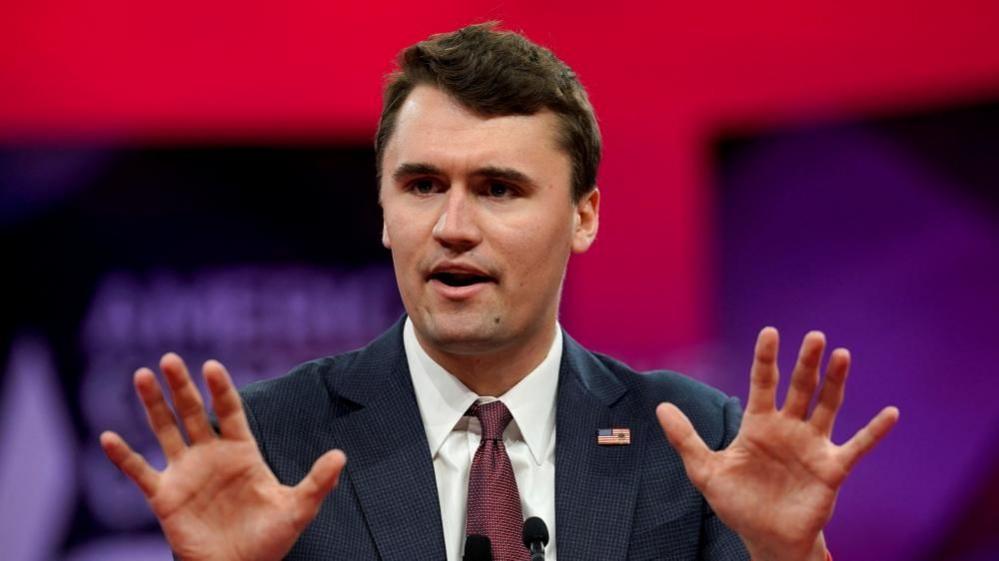
Volker Türk, the United Nations high commissioner for human rights, stated this week that he is alarmed by a sharply increasing number of executions in Iran, arguing that the capital punishment system is used to instill fear and suppress dissent.
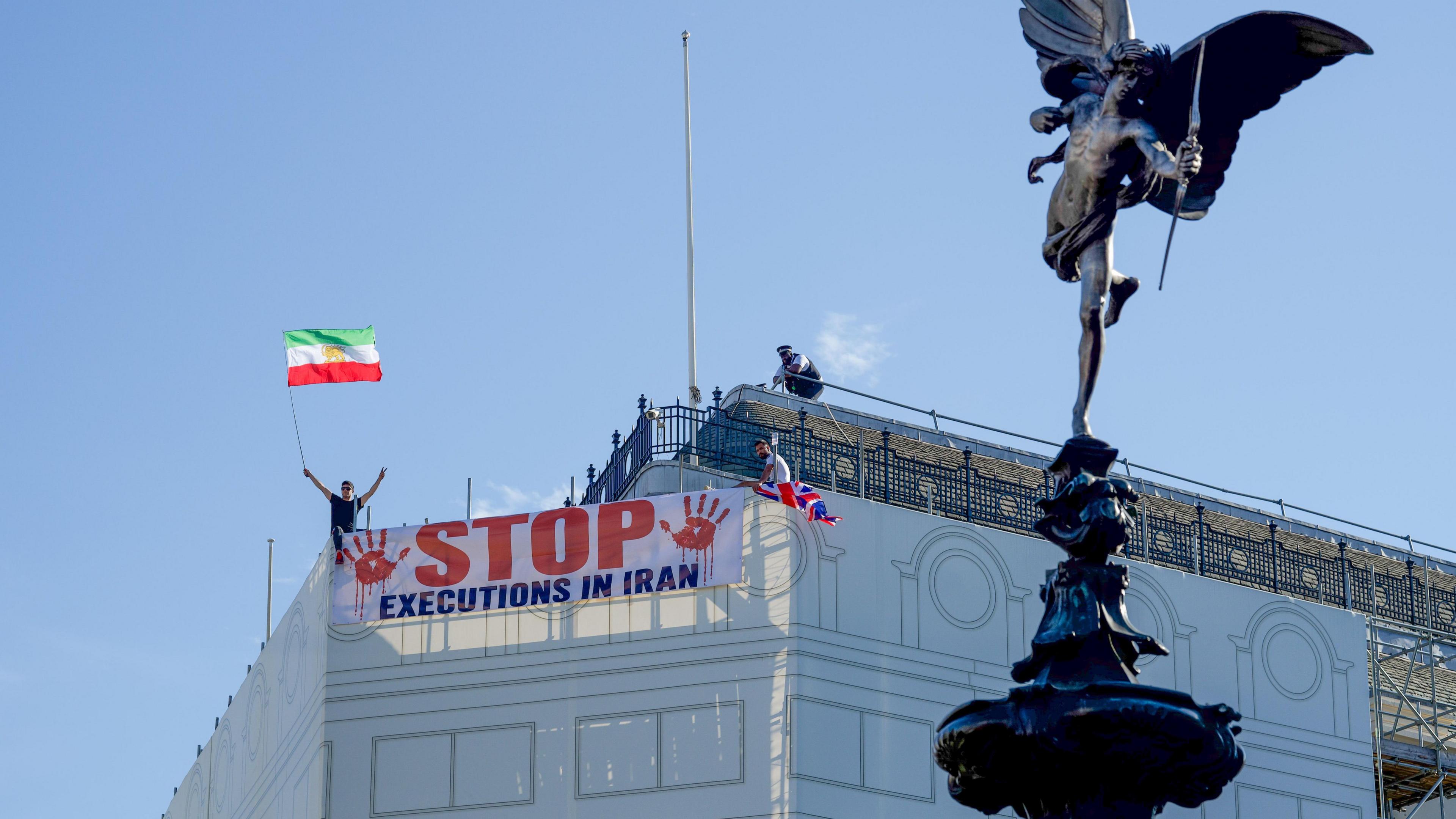
Since 19 March, at least 56 people have been executed on national‑security‑related charges, with 27 of those linked to the nationwide anti‑government protests that erupted in January. Iran is now thought to be the world’s second most prolific executioner after China; last year, Amnesty International counted 2,159 executions, the highest figure since 1981.
Türk urged Iranian authorities to stop all executions and work toward abolition, declaring that “such punishment has no place in our world.” He also condemned the persistent lack of fair‑trial guarantees, noting that many defendants were convicted in short, closed‑door hearings and that confessions were “allegedly obtained under torture and other ill-treatment.”
In public displays of justice, authorities have reportedly carried out executions within weeks of arrest and even as few as three hours after a hearing. On Monday, Iran’s judiciary announced the execution of two men—Omid Behzad and Pouria Safvat—convicted of sharing sensitive information with Israel’s Mossad during the current war and a 12‑day conflict in June 2025.
Earlier, the Human Rights Activists News Agency (HRANA) reported that 19‑year‑old Arvin Kheirkhahan and two other men arrested during the protests were executed publicly in a square in Isfahan. These individuals had been convicted of “enmity against God” and “corruption on Earth,” charges generally reserved for severe security crimes.
Following the executions, UN experts highlighted that the twelve defendants sentenced to death were found guilty in one largely anonymous hearing, which breached standards of due process and individual accountability.
No immediate comment has been issued by the Iranian government, which has previously defended the use of the death penalty as “limited to only the most severe crimes.” The Iranian judiciary and security institutions continue to emphasize that capital punishment remains a legitimate tool against those deemed threat to national security.