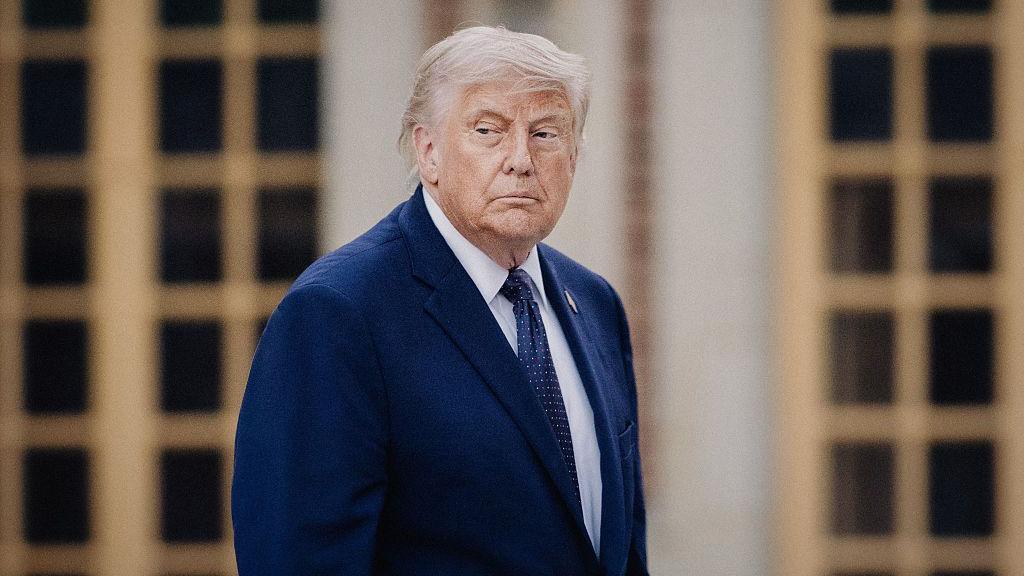
In an unprecedented move on the international stage, the United States and Iran have entered into a 14‑point Memorandum of Understanding (MoU) that has gone into effect immediately. President Donald Trump signed the document at the G7 summit in Evian‑les‑Bains, France, and the agreement is supposedly endorsed by Iranian President Masoud Pezeshkian.
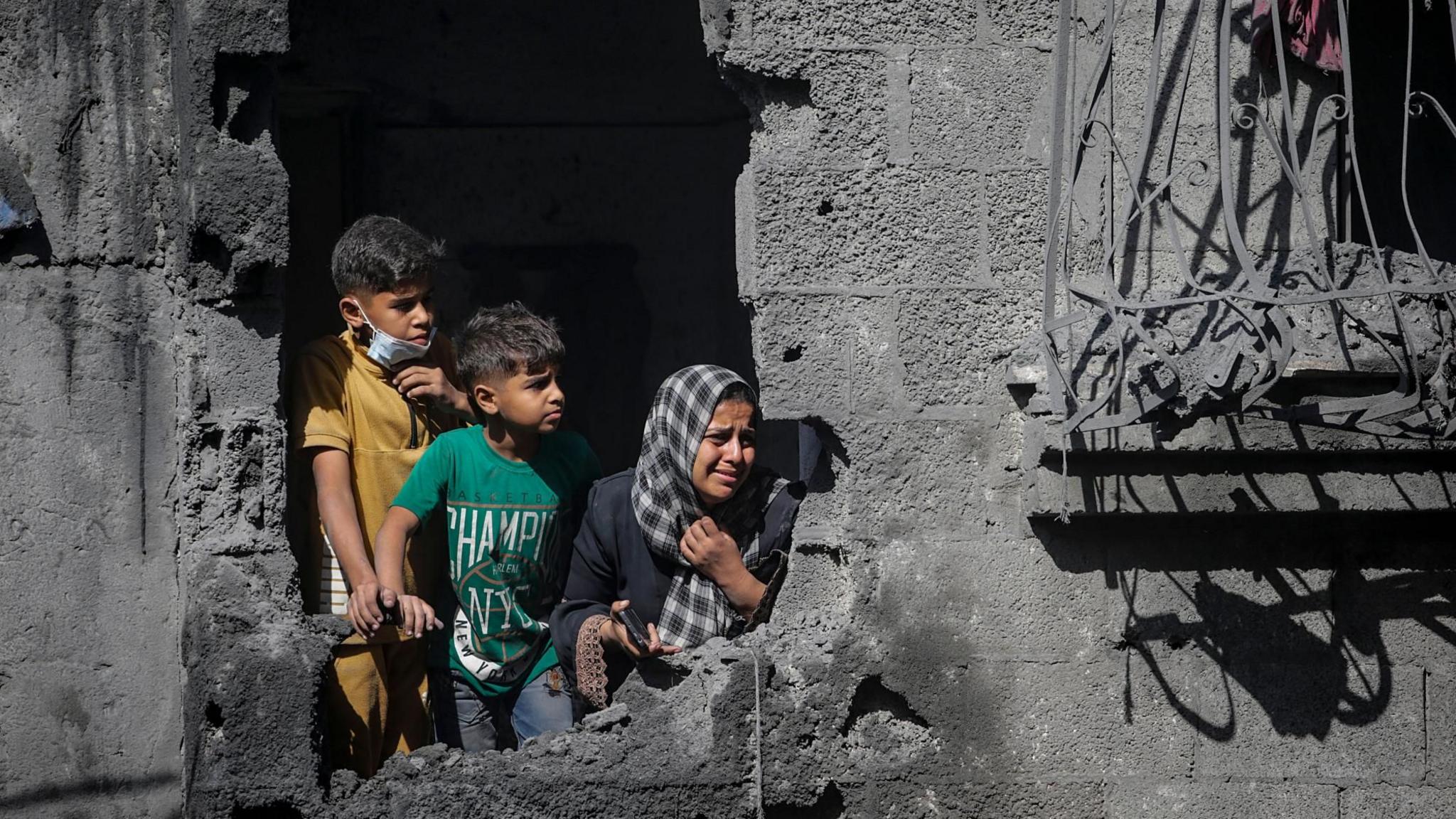
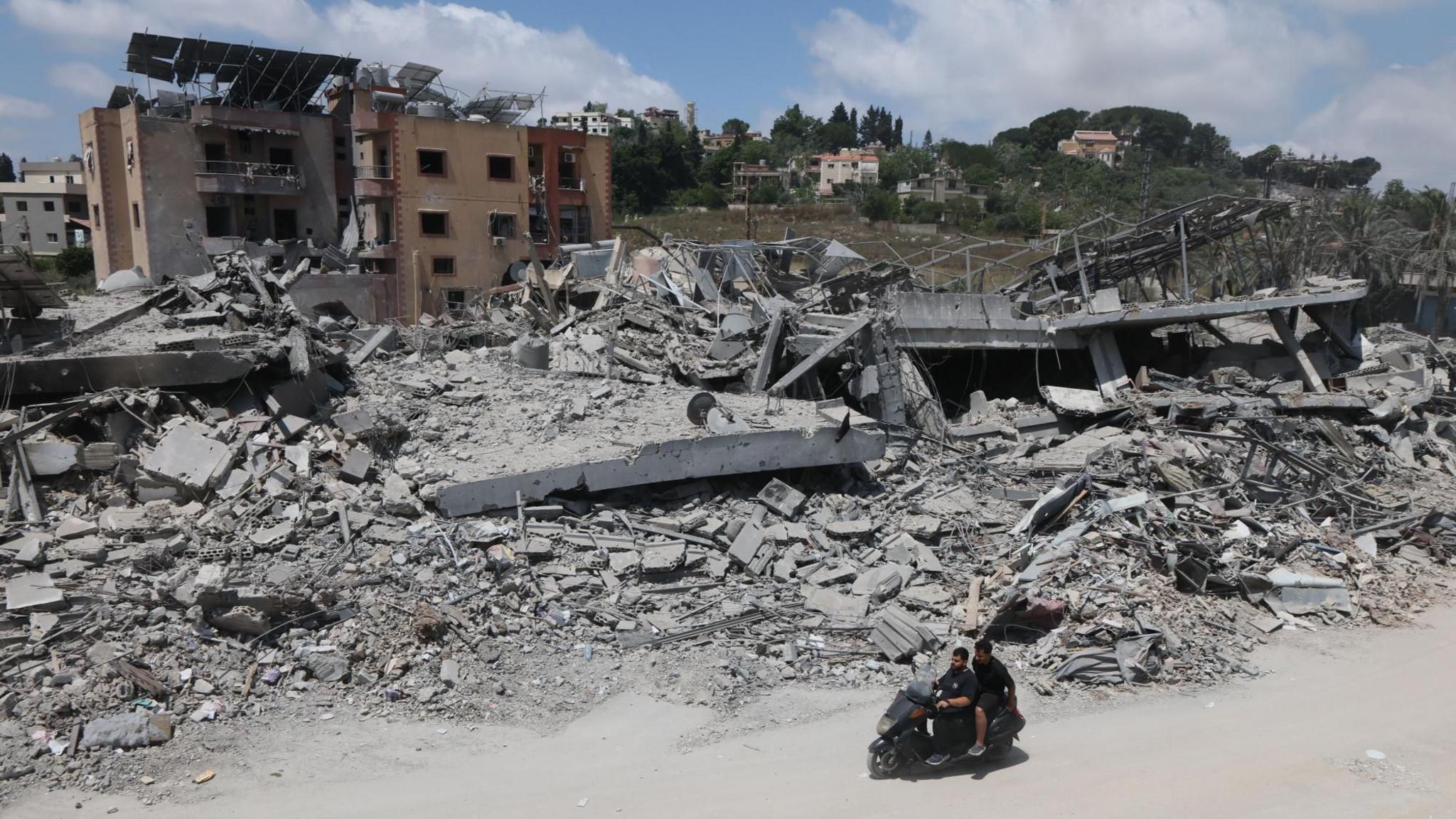
The MoU begins with a declaration of an "immediate and permanent" cessation of all military operations, explicitly including hostilities in Lebanon. This clause seeks to create a civilian‑governed peace climate from both sides.
From the U.S. perspective, Trump framed the agreement as "performance‑based": Iran gains benefits only after it demonstrates compliance. The measures that constitute compliance range from the cessation of attacks to assurances on attack declarations.
Another pivotal element is the 60‑day window mandated by the MoU for negotiating a final, comprehensive deal, with the possibility of extension by mutual consent. The countdown begins with the MoU’s signing, setting a tight timeframe for the two parties.
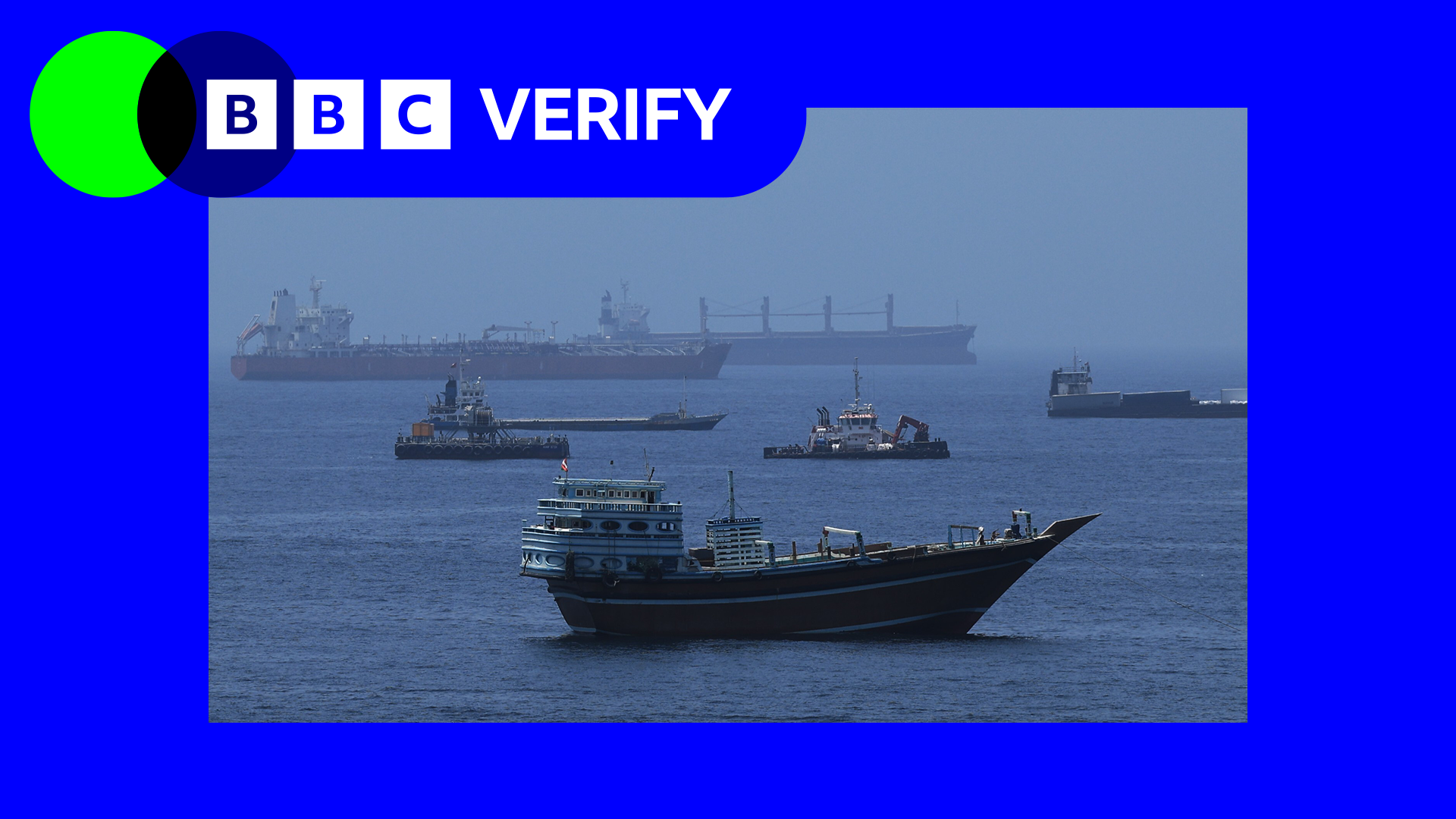
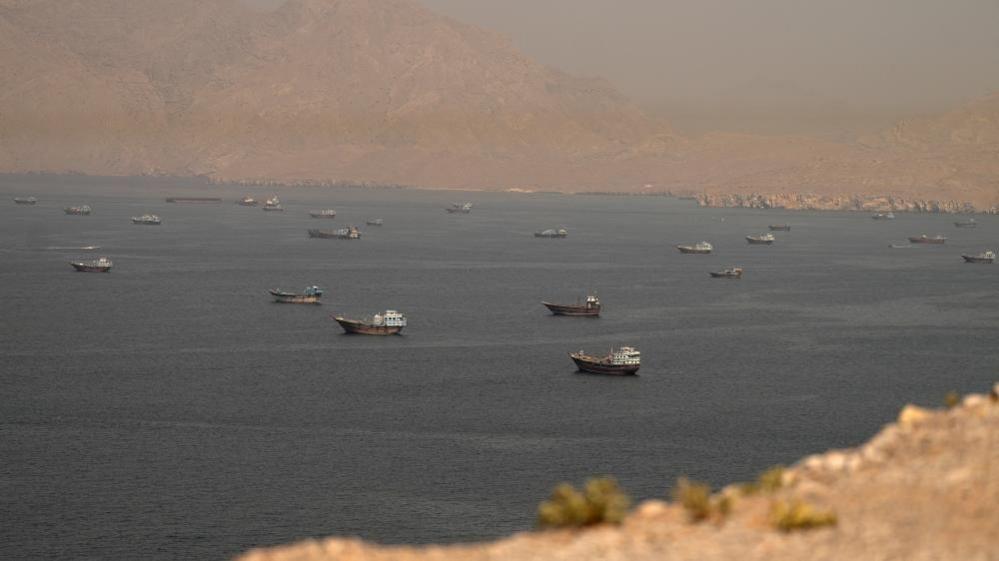
Sea‑level regulations form the next corner of the partnership. Within 30 days, the United States will lift its naval blockade around Iran and signal a return to the pre‑war naval posture, thereby enabling free, untariffed transit through the Strait of Hormuz. Iran, in turn, will allow safe, fee‑free passage for commercial vessels.
Economic terms are equally ambitious. The agreement fixes a minimum $300 billion fund for the reconstruction and economic development of Iran, yet the U.S. will not be required to contribute directly to the wallet.
A turning point for the two nations is the cancellation of all U.S. sanctions. The MoU promises removal of all U.S.‑enforced sanctions, including those mandated by UN Security Council resolutions, after Iran meets the nuclear‑non‑proliferation promise.
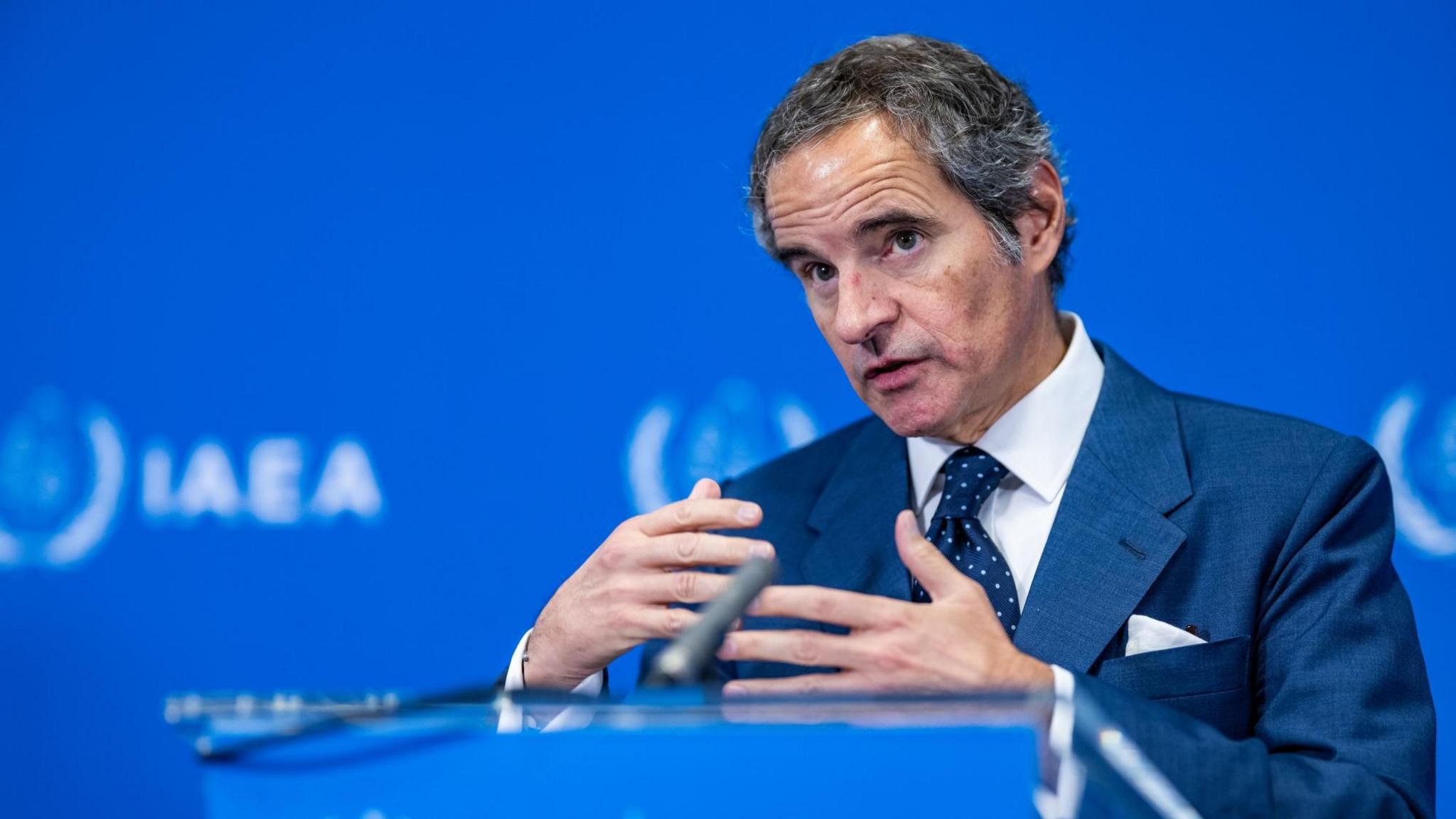
Iran agrees not to pursue any nuclear weapons, and the U.S.—through the International Atomic Energy Agency (IAEA)—will aid the disarmament of Tehran’s existing enriched uranium stockpile.
The MoU also stipulates a "status‑quo" on nuclear operations until the enriched material can be secured—a plan that needs careful monitoring.
One key that remains in discussion is the release of frozen assets. The U.S. promises to unlock frozen or restricted funds once the MoU becomes effective, but the mechanism and scope are still negotiable.
Finally, the MoU draws up a monitoring framework and a final negotiation phase, delayed until a binding UN Security Council resolution can be drafted. These late‑stage steps could hold up the full implementation of the agreement’s terms.
While the United States’ victory in ending the blockade and lifting sanctions carries significant global importance—particularly for maritime economics—the broader repercussions for U.S. diplomacy, Iranian domestic politics, and Middle Eastern stability remain to be seen. The MoU signifies a bold diplomatic pivot, yet its full efficacy hinges on all parties respecting the stipulations and collaboratively addressing the unresolved details.