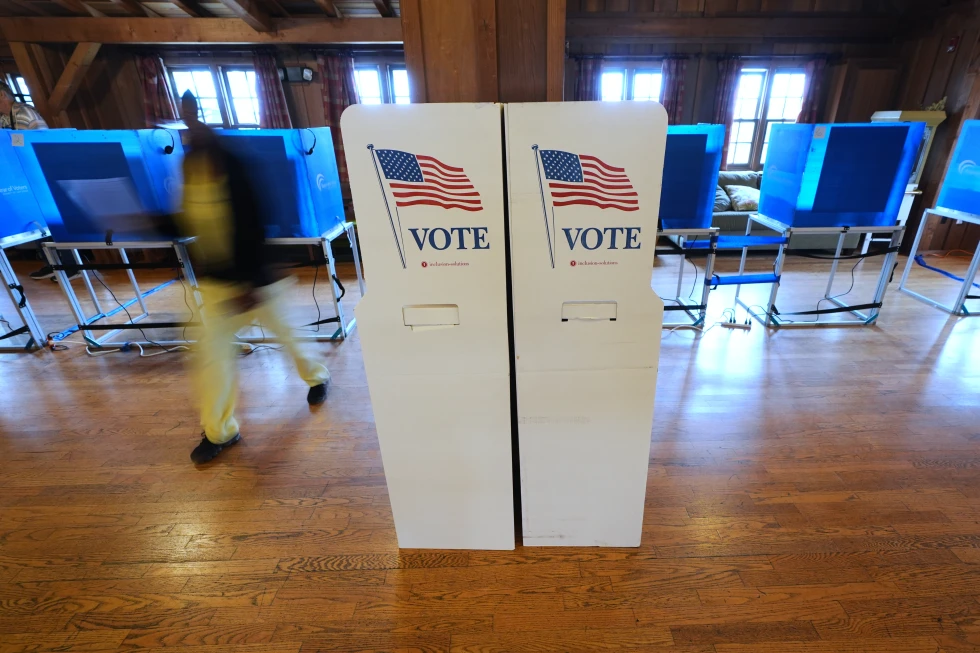
There will be just one Election Day for this fall’s midterm elections — Nov. 3. However, voters in 14 states who cast their votes by mail will have grace periods ranging from a day to several weeks for ballot acceptance and counting.
This issue of grace periods will be argued in the U.S. Supreme Court, with critical implications not just for the states in question but potentially for other states that allow late arrivals of military and overseas ballots.
Election officials express concerns about possible confusion and disenfranchisement for voters accustomed to grace periods! Stuart Holmes, Director of Elections for the Washington Secretary of State’s office, indicated that thousands of ballots could be rejected if the court decides to eliminate these grace periods. Washington currently has one of the longest established grace periods of 21 days after Election Day.
The Supreme Court’s ruling could also impact how other states handle mail-in voting regulations, with several states already moving towards stricter deadlines amid concerns about election integrity.
Previously, President Trump has criticized counting ballots after Election Day, suggesting that such practices could lead to suspicions regarding election outcomes. This case comes as some states are reducing grace periods, arguing they undermine electoral integrity.
For those supporting the continued allowance of grace periods, many point to the potential for chaos in the electoral process, affecting everything from ballot verification activities to the processing of military ballots.
As states grapple with postmark uncertainties due to recent changes in U.S. Postal Service mail processing policies, many state legislatures are advocating for clear communication regarding any changes in voting laws following the ruling, stressing the need for timely voter education.
The ramifications of this case extend beyond Mississippi and could redefine how absentee voting is handled nationally, prompting widespread reactions from various stakeholders across the political spectrum.