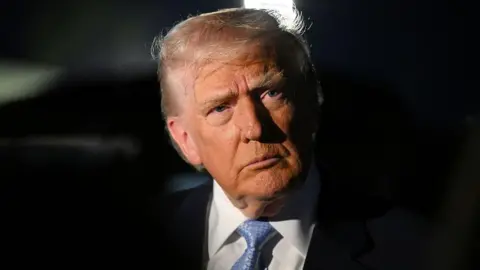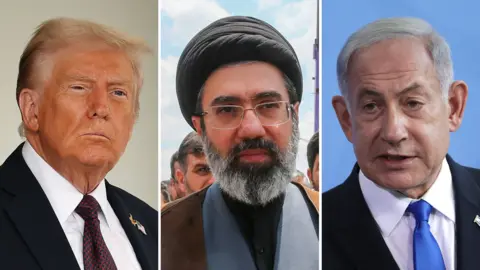
In the third week of the joint US-Israeli war against Iran, Donald Trump faces decisions that could define the rest of his presidency. However, if the American commander-in-chief is grappling with a war of choice that seems in danger of spiralling in ways he can't control, those concerns are not playing out in public.
In more than an hour of public remarks at the White House, he discussed his thinking on the state of the war effort alongside a variety of unrelated topics, including the Kennedy Center renovations and the World Cup. This reflects Trump’s unscripted nature as he maintains a wide focus while confronting a lesson previous American presidents have learned the hard way: that war can consume a presidency.
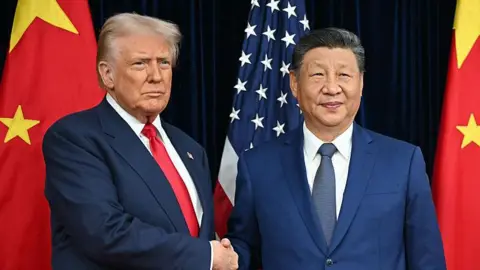
Evidence suggests a war that Trump had previously referred to as 'already won' now faces an uncertain timeline. The president announced a delay for a planned trip to China due to the ongoing conflict, with White House spokesperson Karoline Leavitt emphasizing that his foremost responsibility is the success of the military campaign dubbed Operation Epic Fury.
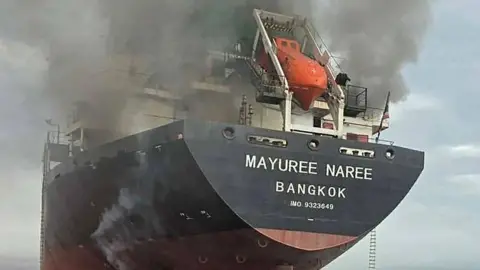
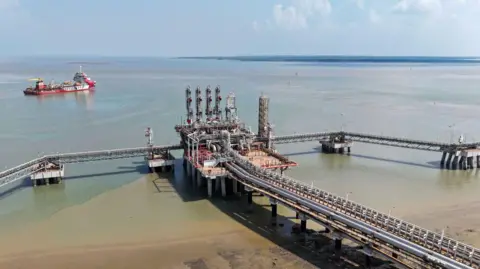
Despite Trump's attempts to rally support for a coalition to safeguard the Strait of Hormuz amidst Iranian threats, several nations, including Japan and the UK, have shown hesitance to join forces. This has placed Trump in a precarious position, potentially forcing him to commit U.S. Navy forces to secure vital shipping lanes.
In a statement on social media, Trump expressed hope that affected nations would assist in keeping the strait 'open, safe, and free.' However, mounting pressures may lead to difficult decisions regarding military deployment in the region.
As U.S. military presence increases, specifically with the movement of a Marine amphibious unit to the Middle East, the risk of American troops being involved in the conflict grows, which could face public opposition. Polling indicates that while Trump's core supporters remain loyal, sentiment amongst more centrist voters is increasingly cautious about his foreign engagement strategies.
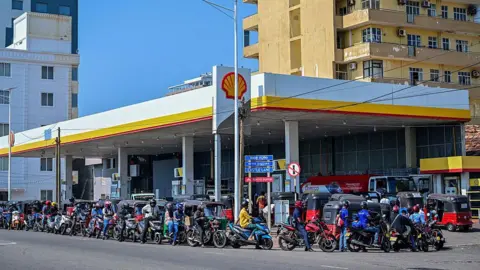
The financial implications of prolonged involvement in the Iran conflict cannot be overlooked, particularly concerning rising gas prices, which could jeopardize Trump's support base less than a year ahead of midterm elections. The recent spike in fuel costs, averaging $3.72 per gallon, could further complicate Trump's political landscape if not addressed promptly.
Ultimately, Trump's current decisions carry significant risk, with no easy resolution in sight as he strives to maintain both international security and domestic approval amid an unpredictable military engagement.