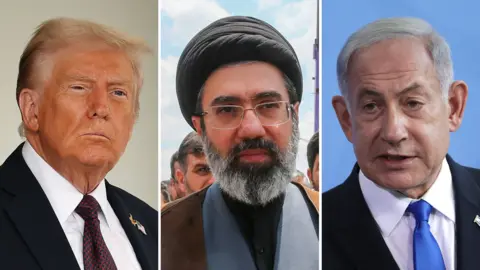
Throughout his two terms in office, Donald Trump hasn't shied away from criticizing and attacking Washington's NATO allies. However, his recent suggestion — that failing to secure the Strait of Hormuz would be 'very bad for the future of NATO' — has raised eyebrows regarding his understanding of the alliance's defensive purpose.
Gen Sir Nick Carter, former Chief of the Defence Staff, emphasized that NATO was designed as a defensive alliance and not one meant for unilateral aggression. This misalignment has led to blunt responses from allies, with German officials stating the war with Iran 'has nothing to do with NATO.'
With Iran's effective blockade of shipping through the Strait of Hormuz following heightened tensions, Western governments are scrambling for solutions. The repercussions of escalating military action could destabilize the global economy further. Consequently, while discussions for a potential NATO response continue, the lack of a coherent plan remains a critical issue.
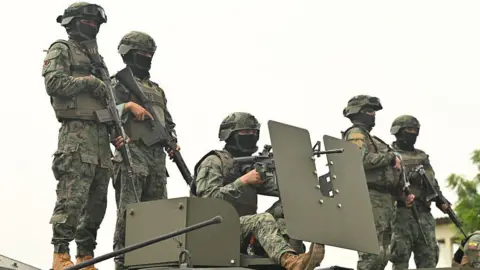
Despite suggestions for military involvement to ensure the safety of maritime routes, many allies show reluctance. UK leaders seek reassurances of legality and proper planning before committing any military personnel. The hesitation stems from the complexities of the current military landscape and Iran's capabilities, which include armed fast boats and shore-based missiles.
The situation presents a stark need for diplomatic engagement and robust coordination among NATO allies. Yet, the ongoing crisis remains a challenging test of resolve and unity within the alliance, with no quick fixes in sight.