Impact of the Iran Conflict on India's Natural Gas Supply
The Iran war has already rattled India's liquefied petroleum gas (LPG) market. Now another energy artery is under scrutiny: the country's rapidly expanding network of piped natural gas (PNG) - gas delivered by pipeline to homes and businesses.
Demand for this natural gas comes from fertiliser plants, industry, and gas-fired power, as well as city gas networks which supply PNG to households and CNG (compressed natural gas) to vehicles. Of these, city gas to homes is the standout grower, expanding steadily as the network spreads across urban India.
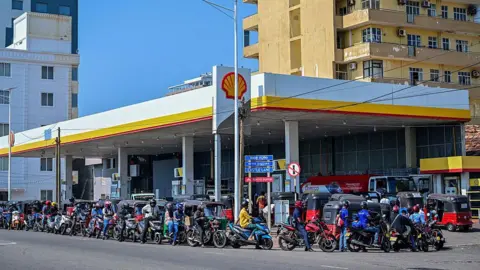
India now has more than 15 million PNG connections, with a rising number as policymakers encourage households to swap cylinders for gas on tap. This drive is mirrored in the increase of demand from CNG vehicles, which has steadily climbed, making CNG India's second-largest auto fuel after petrol.
If tankers carrying LPG struggle to pass through the Strait of Hormuz, the question in many urban Indian homes is simple - could the gas in their kitchen pipelines be next to feel the squeeze? Probably not - at least not immediately, as India's piped gas supply is a blend of domestic production and imports of liquefied natural gas (LNG).
About half of India's PNG supply comes from domestic sources, with the balance met through LNG imports. No disruption is expected for homes and vehicles [using piped gas], states Rahul Chopra, managing director for Haryana City Gas Distribution Limited.
However, around 2,200 of Chopra's industrial and commercial customers are facing a government-mandated 20% supply cut, as gas is diverted to households and vehicles.
In the event of a supply squeeze, the government typically prioritizes sectors vital for households and fertiliser services, meaning industries and power generators often bear the brunt of cuts. Despite domestic reserves, the piped gas system remains vulnerable to global disruptions.
India does not maintain strategic reserves of LNG, instead relying on modest inventory at regasification terminals which cover only one to two weeks of imports. If disruptions persist in the Strait of Hormuz, the immediate risk for urban consumers lies more in rising gas prices than in shortages.
The conflict underlines the structural vulnerabilities within India's energy sector; without adequate regulatory measures and strategic reserves, the ripple effects of global shocks are acute. In this context, while homes might continue receiving gas, the price is expected to rise, affecting both households and industrial consumers.