Trump Proposes Delay to China Meeting Amidst Iran Conflict
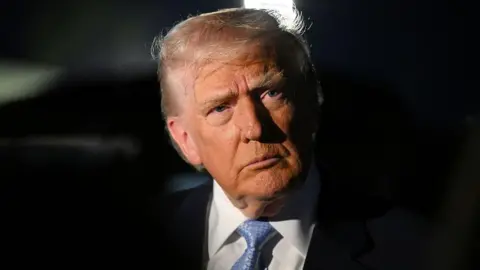
US President Donald Trump said on Monday that he is planning to delay a high-stakes visit to China later in March by about a month because of the Iran war.
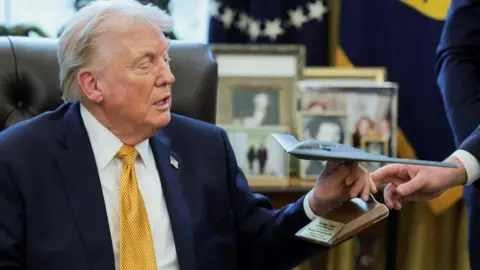
We've requested that we delay it a month or so, he told reporters at the White House, adding that it was important that he remain available to oversee the war.
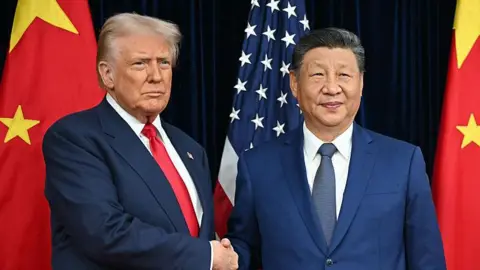
The meeting between Trump and Chinese President Xi Jinping is currently set to take place between March 31 to April 2, following their last face-to-face talks in October last year.
Chinese foreign affairs spokesman Lin Jian said on Tuesday that Beijing and Washington are in talks over the timing and related matters of President Trump's visit to China.
The Iran war has replaced many of Trump's other foreign policy priorities, given the intensifying conflict and the resultant disruptions to the global oil supply, raising concerns about price hikes in the US.
Trump emphasized that the delay is solely to ensure he is present to manage the war situation. I'm looking forward to being with him, he said in reference to Xi, reiterating that their relationship is good.
There's no tricks to it either, Trump added. It's very simple. We've got a war going on. I think it's important that I be here.
US Treasury Secretary Scott Bessent also stated that the delay was unrelated to any trade disagreements or requests directed towards China regarding the Gulf situation.
Bessent explained that Trump's decision to remain in DC was to coordinate the war effort, suggesting that traveling abroad would not be optimal at such a critical time.
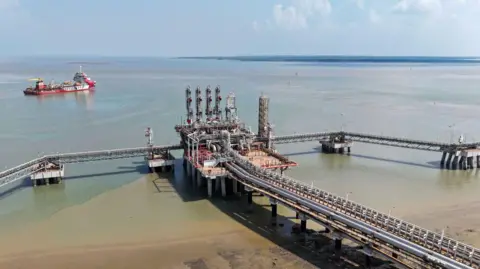
This development follows Trump's expression that he might postpone the meeting further if China did not assist in stabilizing maritime shipments in the Strait of Hormuz, a critical pathway for gulf energy exports.
The diplomatic relationship remains under strain as Beijing, a significant purchaser of Iranian energy, has critiqued US and Israeli military strikes against Iran.
In tandem, Washington has stated it would investigate trade practices among several countries, including China, as Trump's previous tariff policy faced judicial challenges recently. Talks have been initiated in Paris regarding investment, tariffs, and economic sanctions, suggesting a complex web of diplomatic negotiations.
Chinese negotiators voiced "serious concern" about the US investigation into trade practices, advocating for continued economic stability between the nations.