Political prisoners freed after US‑Venezuela meeting
The early hours of Saturday saw the release of dozens of individuals held on political charges, most notably former chief of staff Wilder Vasquez and former oil minister Frank Cabañas. Rights organisations reported that the detainees had been held since 2019 and 2014 respectively, and that both were freed as part of a broader “release scheme” that began after former President Nicolás Maduro’s removal from power.
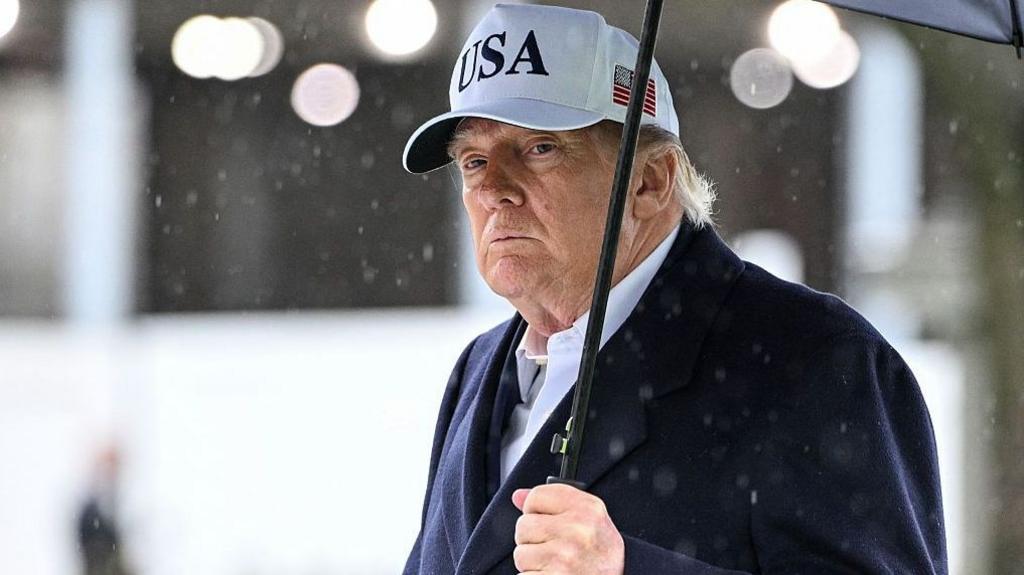
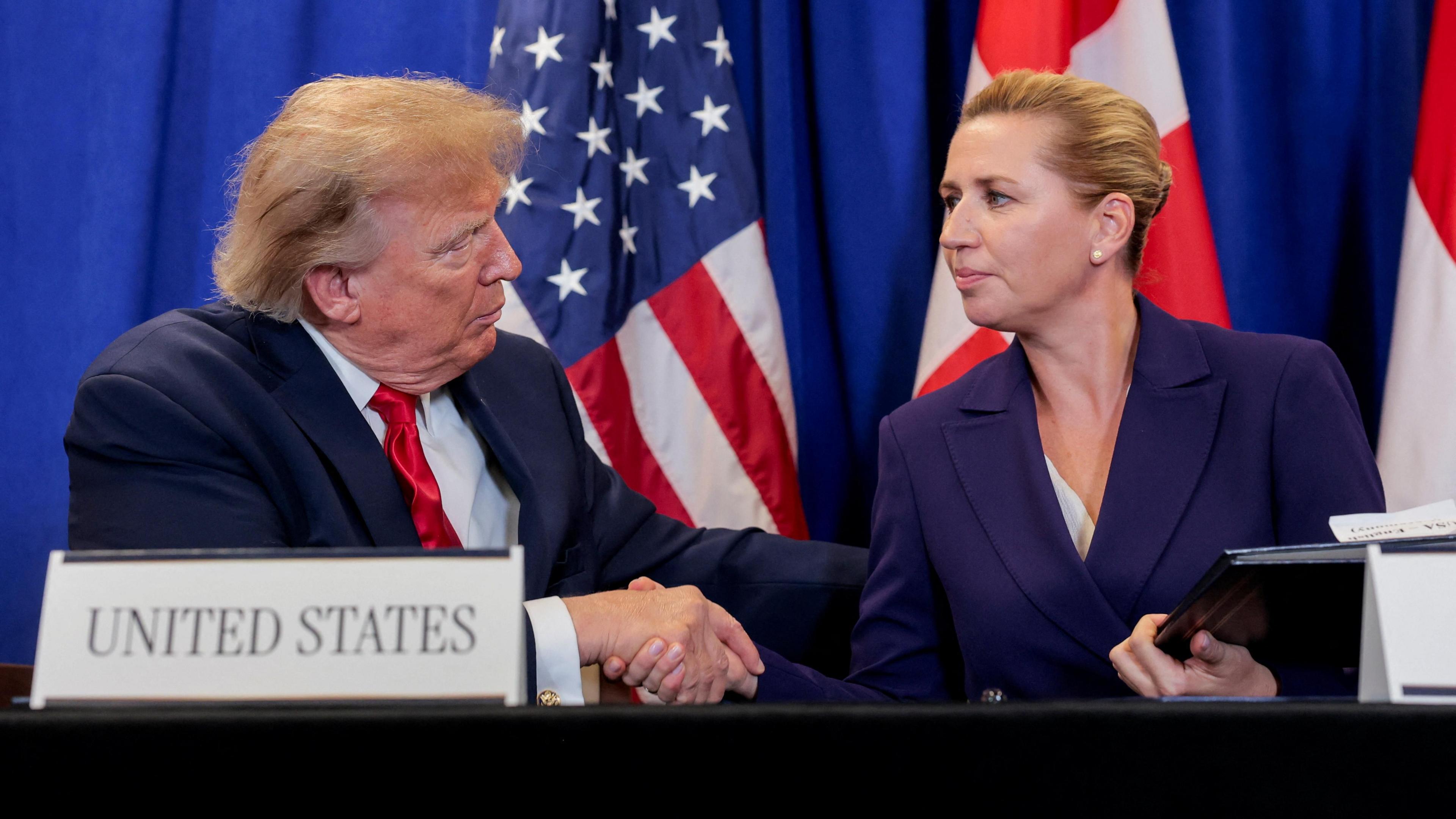
The releases came only hours after interim President Delcy Rodríguez met with U.S. President Donald Trump in New York during the United Nations General Assembly. Rodríguez has positioned her administration as more open to dissent and has repeatedly promised that elections will take place, though the precise timetable remains unclear.
Human‑rights groups say the fact that the Venezuelan government has paused its release programme—of which less than half of the country’s political prisoners have been freed so far—congratulates the opposition to an extent, but also underscores a lingering regime unwilling to relinquish control. At the same time, the government insists that removing detainees is simply a gesture of goodwill and reconciliation.
The exact number of released detainees was not announced by the authorities; however, Non‑Governmental Organisation Foro Penal confirmed that Miguel Castillo Cedeño was among those freed. They add that the releases were conducted from multiple detention centres across the country.
Reactions from the political spectrum
- Opposition leaders criticize the meeting as a snub that ignored their calls for swift and free elections.
- Foro Penal calls the release of the inmates “significant” but argues that ending the scheme discredits the promise of a complete purge of political imprisoners.
- Government officials maintain that the scheme was a necessary concession to the US, and that it supports the transition to democratic governance.
The situation remains fluid: the Venezuelan government has not yet issued a statement about the connection between the releases and the US‑led diplomatic engagement, and analysts predict that any further movement will be tied closely to the upcoming national elections that both the opposition and the interim administration stress will happen soon.