Why California’s Election Results Are Slow to Flood Out
California’s primary night is over, but the pages are still empty. The state’s most populous county, Los Angeles, and the state itself are still producing the first vote totals from a marathon of mail‑in ballots, keeping headlines quiet as the official tallies trickle in.
In June’s statewide primary, the incumbent mayor of Los Angeles, Karen Bass, is racing against reality‑TV star Spencer Pratt, while former U.K. political aide Steve Hilton leads the crowded field for governor. Yet, with only a little more than half of the 23 million registered voters’ ballots counted, the final outcome remains uncertain.
Mail‑in ballots drive the delay
California counts roughly 80 % of its votes by mail. Every registered voter receives a ballot by post, and each envelope must be sorted, verified and counted. Signatures on envelopes are checked against the state’s signature‑matching system; a mismatch can postpone a ballot until two days before certification.
The ballot‑processing centers across 58 counties have a 30‑day window to count all mail ballots. Final results must be reported by the Secretary of State by 3 July and certified on 10 July. Because of the scale of the process, certifiability can take weeks, not hours.
Official stance on the slow count
Secretary of State Shirley N. Weber confirmed on election night that the delay is “normal” and asked Californians to be patient. She stressed that the state’s counting procedures are designed to protect voting rights and election integrity, even if that means a slower pace.
Political reactions to the slow count
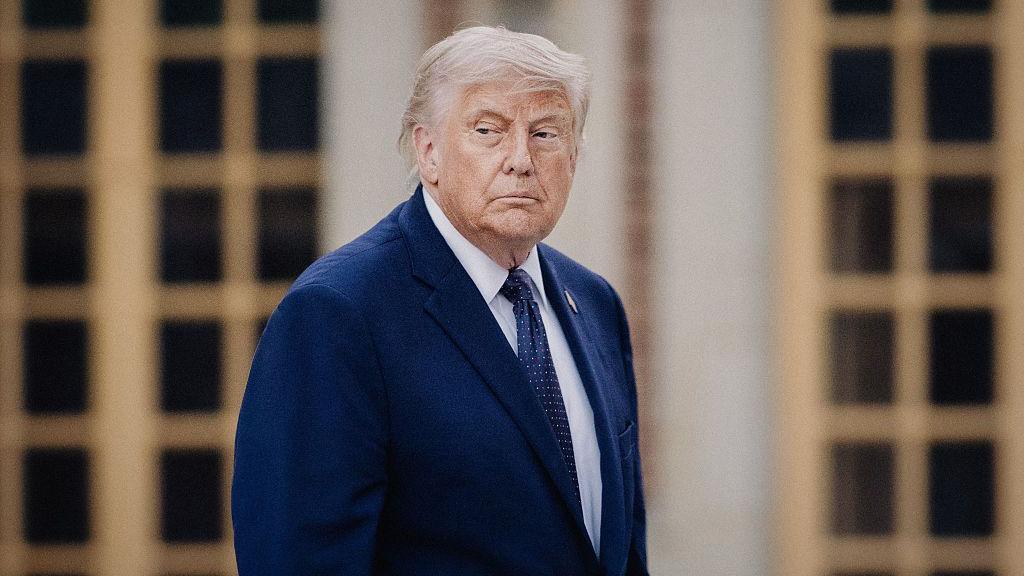
Former President Donald Trump has claimed that Democrats are “stealing” elections in California, citing the delayed results as “BIG cheating.” He repeated the accusation on social media and urged Congress to pass the Save America Act, a proposal that would require a voter to prove citizenship at registration.
In response, Governor Gavin Newsom’s office dismissed Trump’s comments as misinformation and reiterated that the state’s vote‑counting procedures are lawful and transparency‑focused. The U.S. Attorney’s Office in Los Angeles declined to comment on any alleged investigations of ballots.
What the numbers show so far
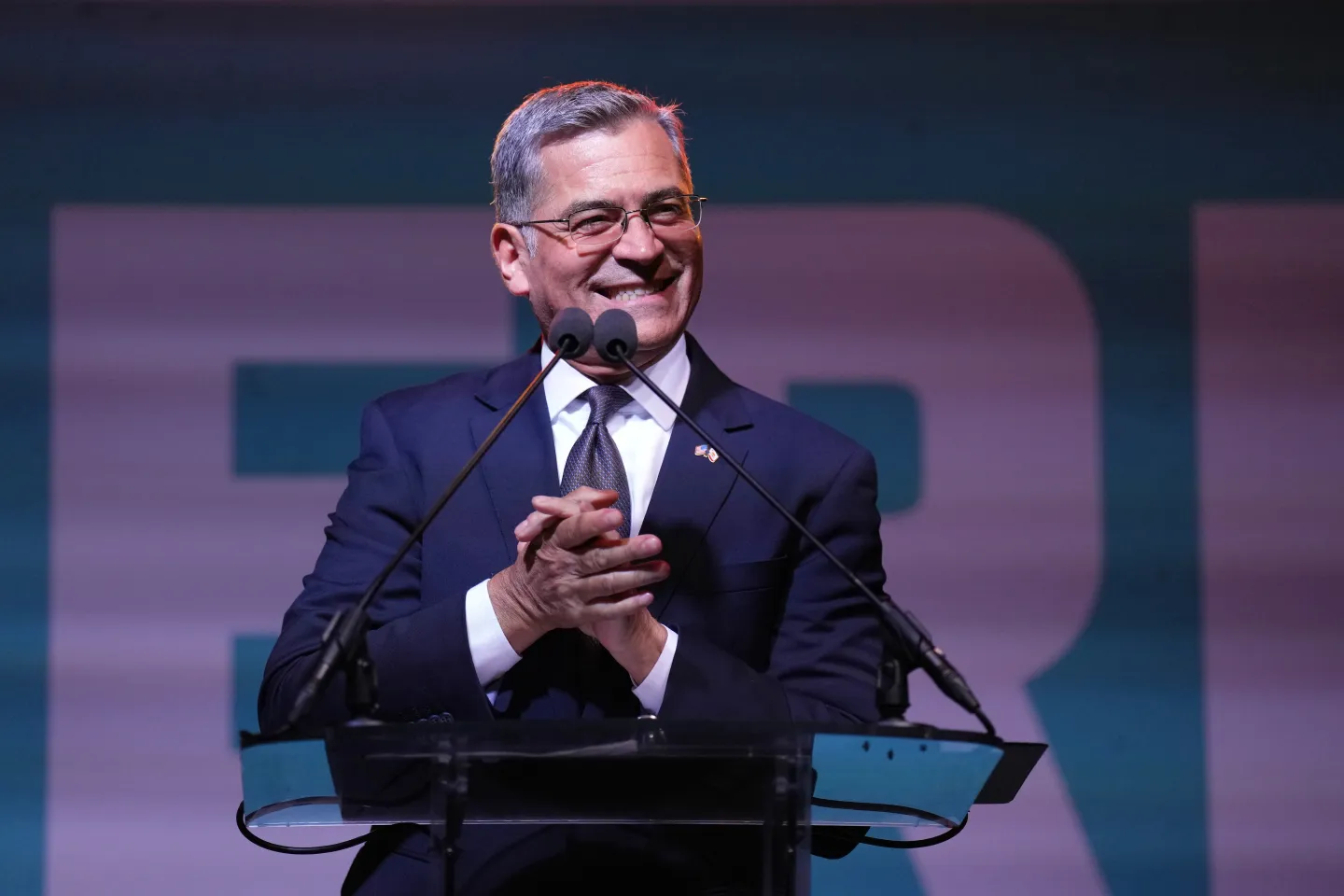
Early vote totals from Tuesday night indicate a lead for Steve Hilton: 27.6 % (1,420,000 votes). Xavier Becerra, the Democrat candidate, sits at 25.6 % (1,320,000), while climate activist Tom Steyer covers 19.8 % (1,020,000). With roughly 56 % of ballots counted, the race for governor remains fluid.
In Los Angeles, Bass has secured 35 % of the vote and has advanced to the November runoff. Pratt holds 29.9 %, while council member Nithya Raman is at 22.8 %. Since the city’s 2005 election was the last time a mayor avoided a runoff, the final matchup is still in flux.
What the delay means for voters
California’s confidential ballot verification process prioritises accuracy and voter protection. As ballots arrive after the legal deadline but within a seven‑day window, they remain valid. Still, the sheer volume of votes, signature checks, and the procedural safeguards in place mean that polling stations and election officials must work through a backlog that can extend into June for many counties.
State officials reassure that the steps are in place for a fair democratic process, while political leaders on both sides of the aisle wrestle with differing interpretations of the reasons behind the slowdown.