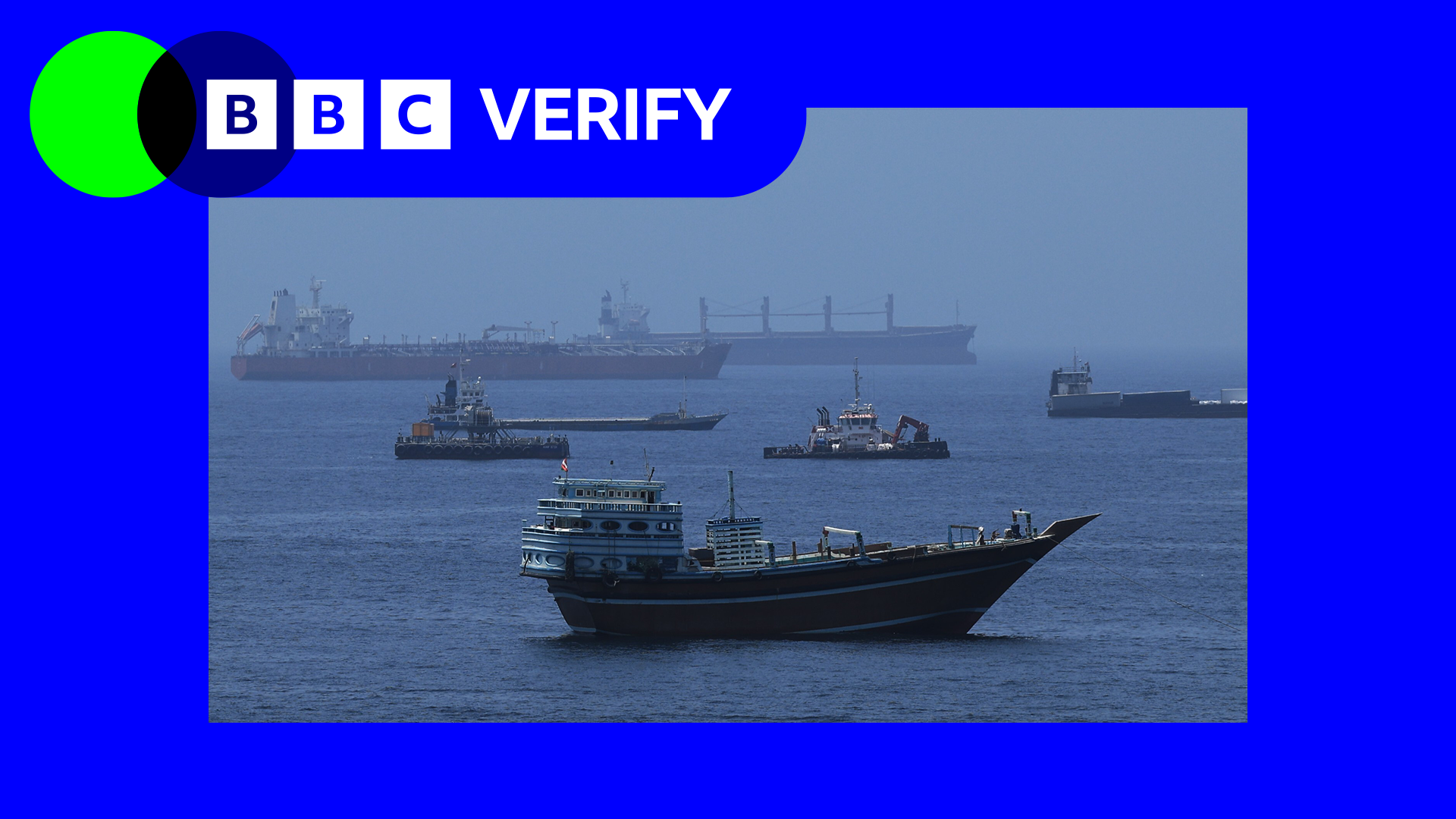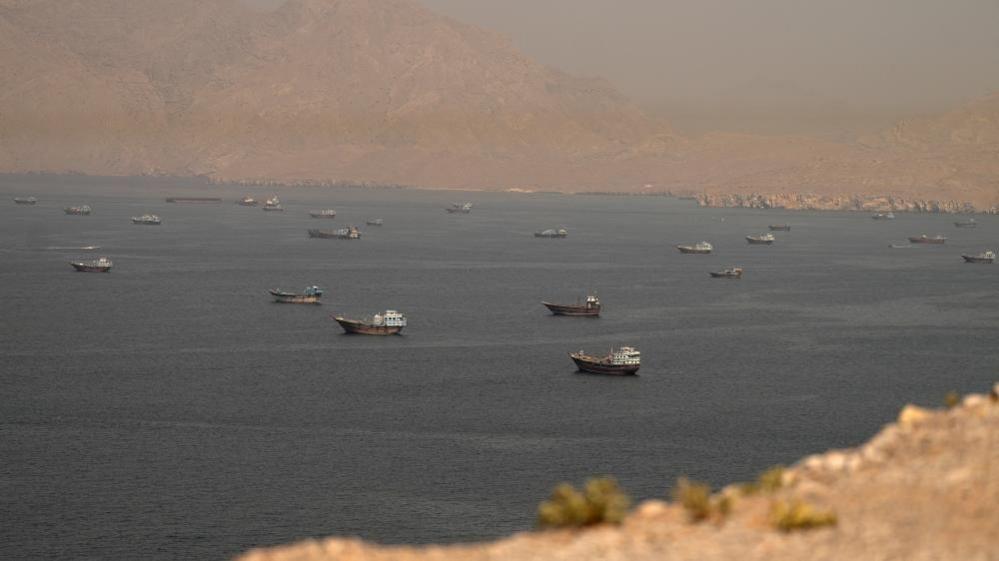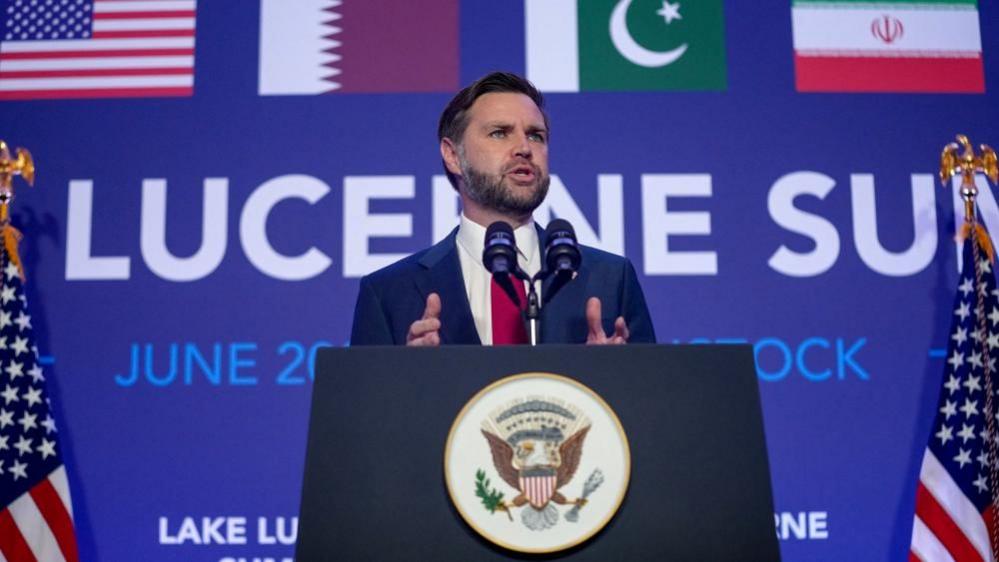
Iran and the US have agreed to a conditional two-week ceasefire, which allows shipping traffic to flow through the critically important Strait of Hormuz. This announcement comes in the wake of a recent surge in military activities, particularly after coordinated attacks by the US and Israel on Iranian targets.
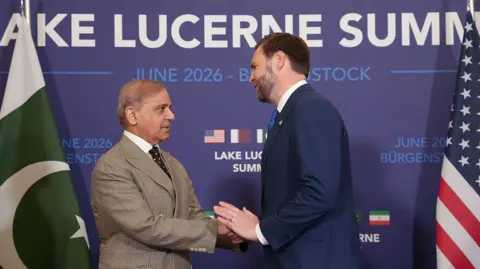
The ceasefire was confirmed by Pakistani Prime Minister Shehbaz Sharif, who has played a mediating role in the negotiations, which began following US President Donald Trump's threatening remarks directed at Iran. The ceasefire is part of a broader dialogue aimed at reducing hostilities between the two nations.
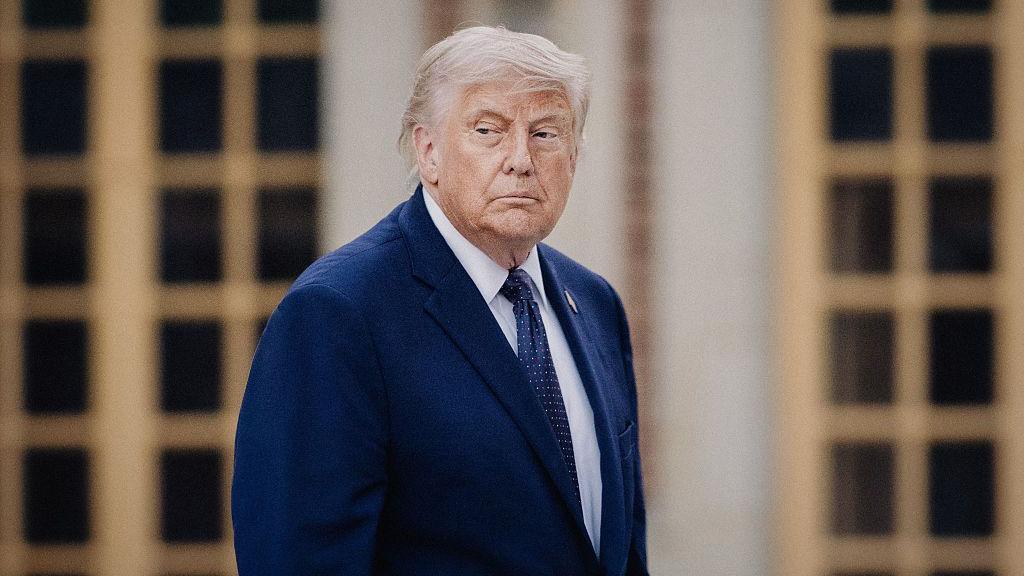
President Trump indicated in a message posted on his Truth Social platform that the US would suspend military actions against Iran for the duration of the ceasefire, conditional upon Iran’s agreement to reopen the Strait of Hormuz. He claimed that the US had already achieved its military objectives against Iran. Iran has responded by presenting a detailed proposal for broader peace, which includes a halt to the war in Lebanon and Yemen, lifting sanctions, and negotiations on military arms supplies.
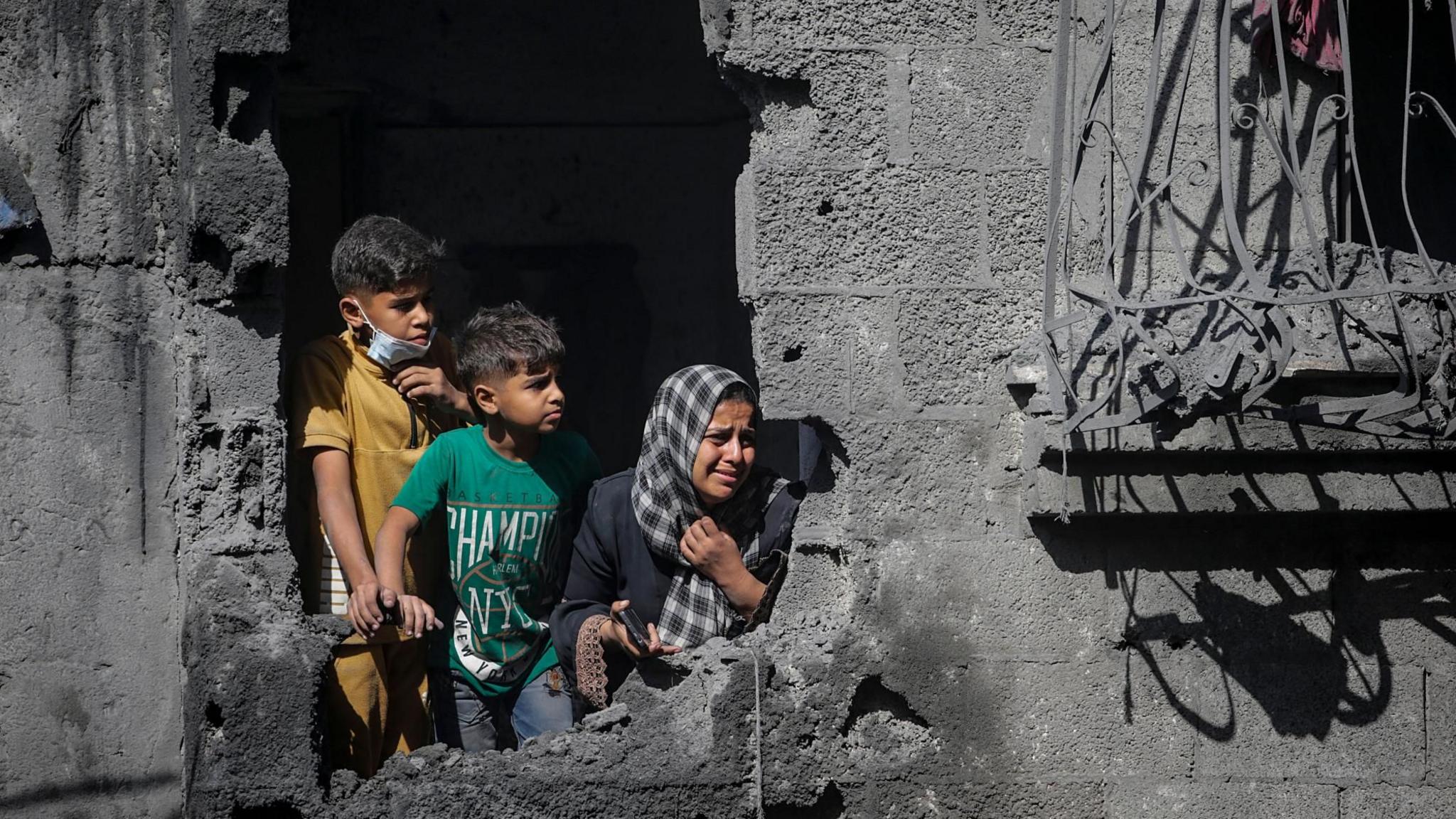
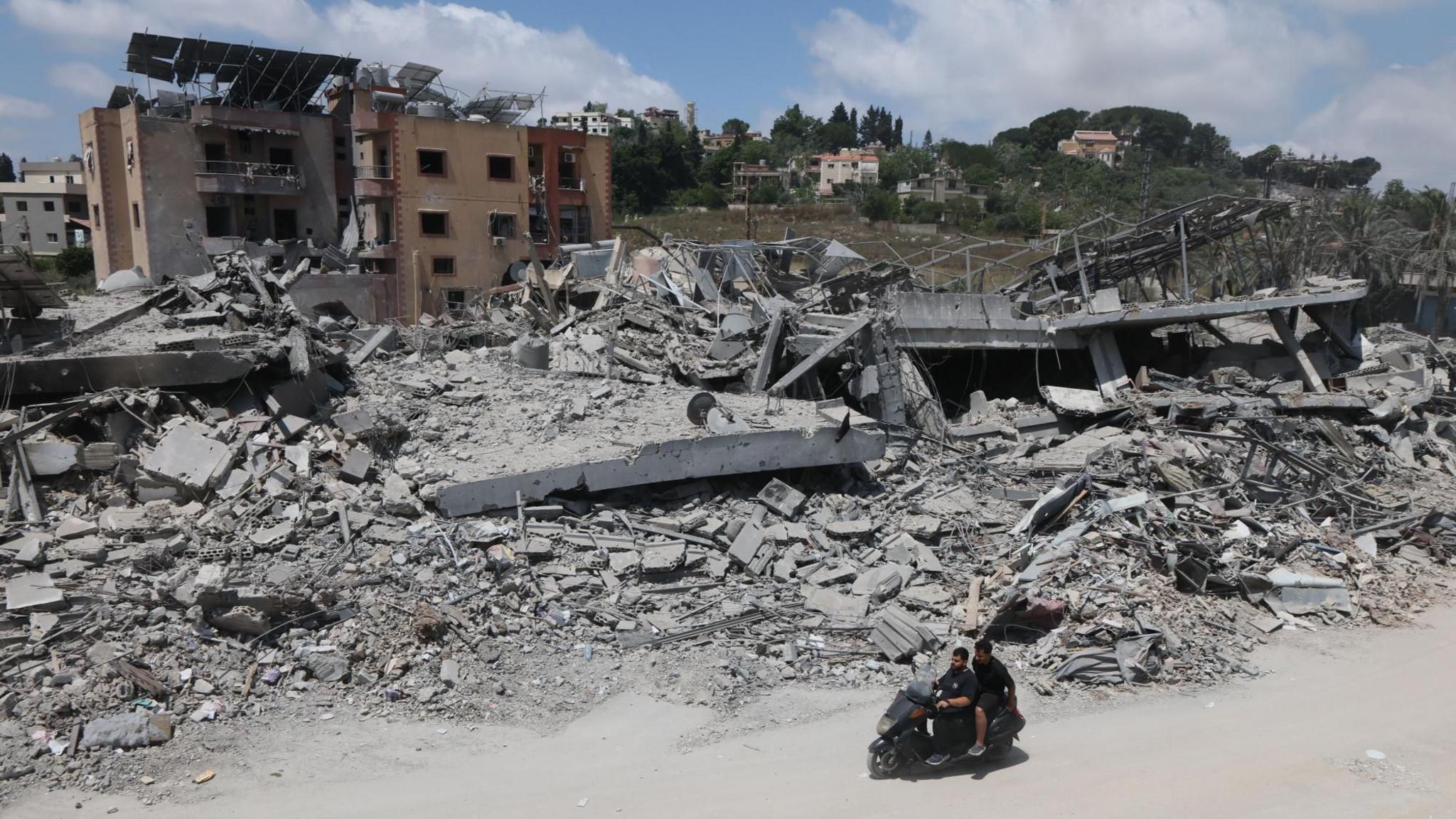
While Iran has signaled its willingness to cooperate for the duration of ceasefire, the situation remains precarious, with the Iranian Revolutionary Guard Corps threatening severe retaliation for continued Israeli strikes in Lebanon. The ceasefire does not expand to Lebanon, where Israel indicates ongoing military operations.
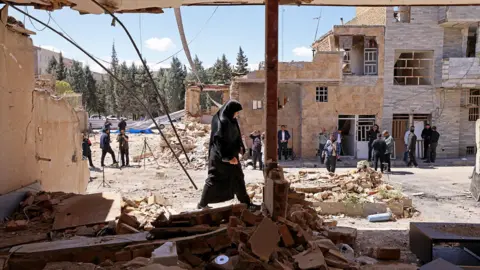
The complexity of the situation is further amplified by military updates on conflict dynamics in other regions. Reports from Kuwait indicate that strikes attributed to Iranian forces have caused damage to critical infrastructure, raising concerns about the ceasefire's sustainability.
As negotiations are set to continue, with invitations extended to all parties for discussions in Islamabad, the outcome remains uncertain, and tensions persist. Stakeholders from multiple nations have expressed their apprehensions, and calls for a lasting resolution have intensified.