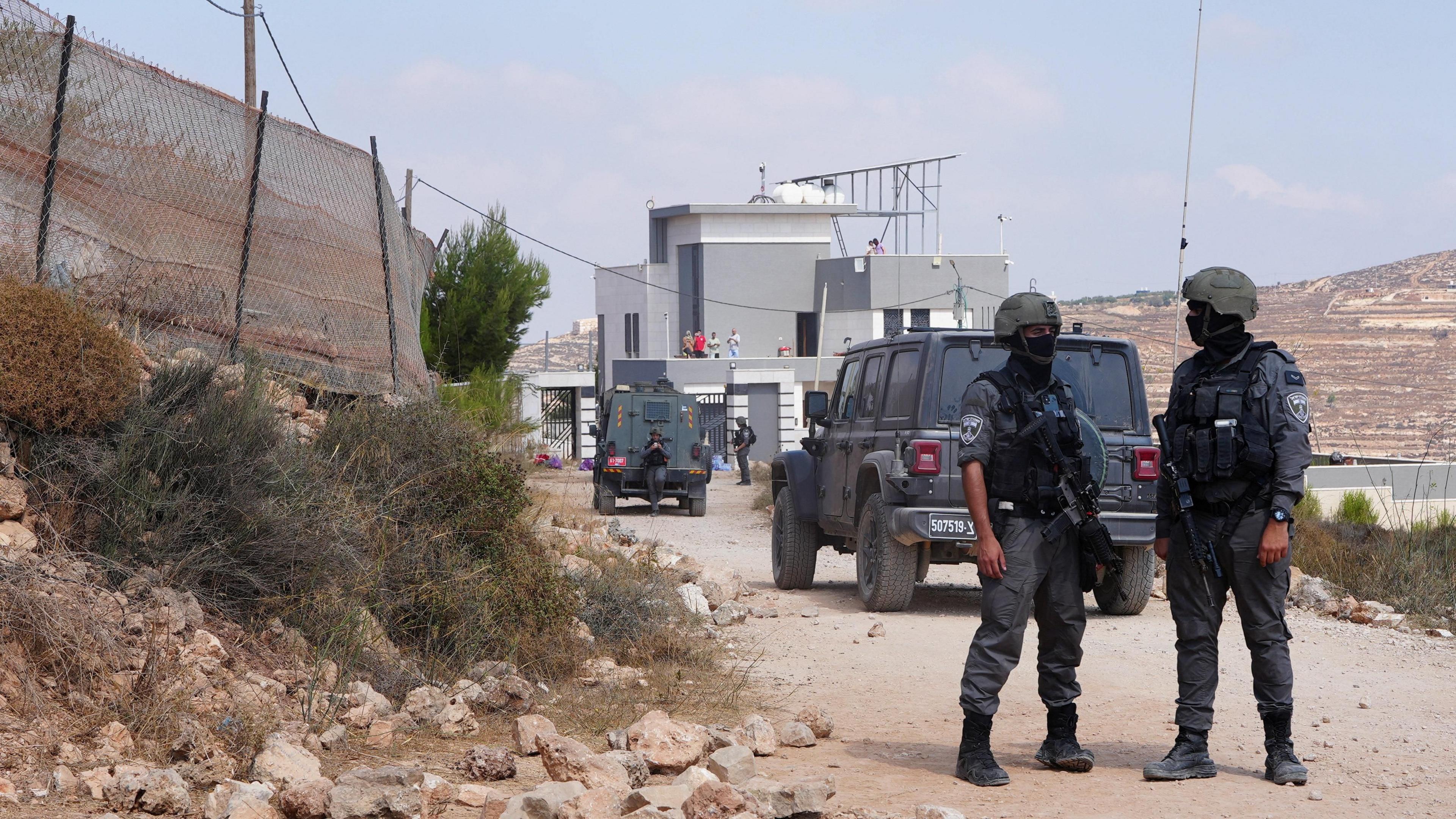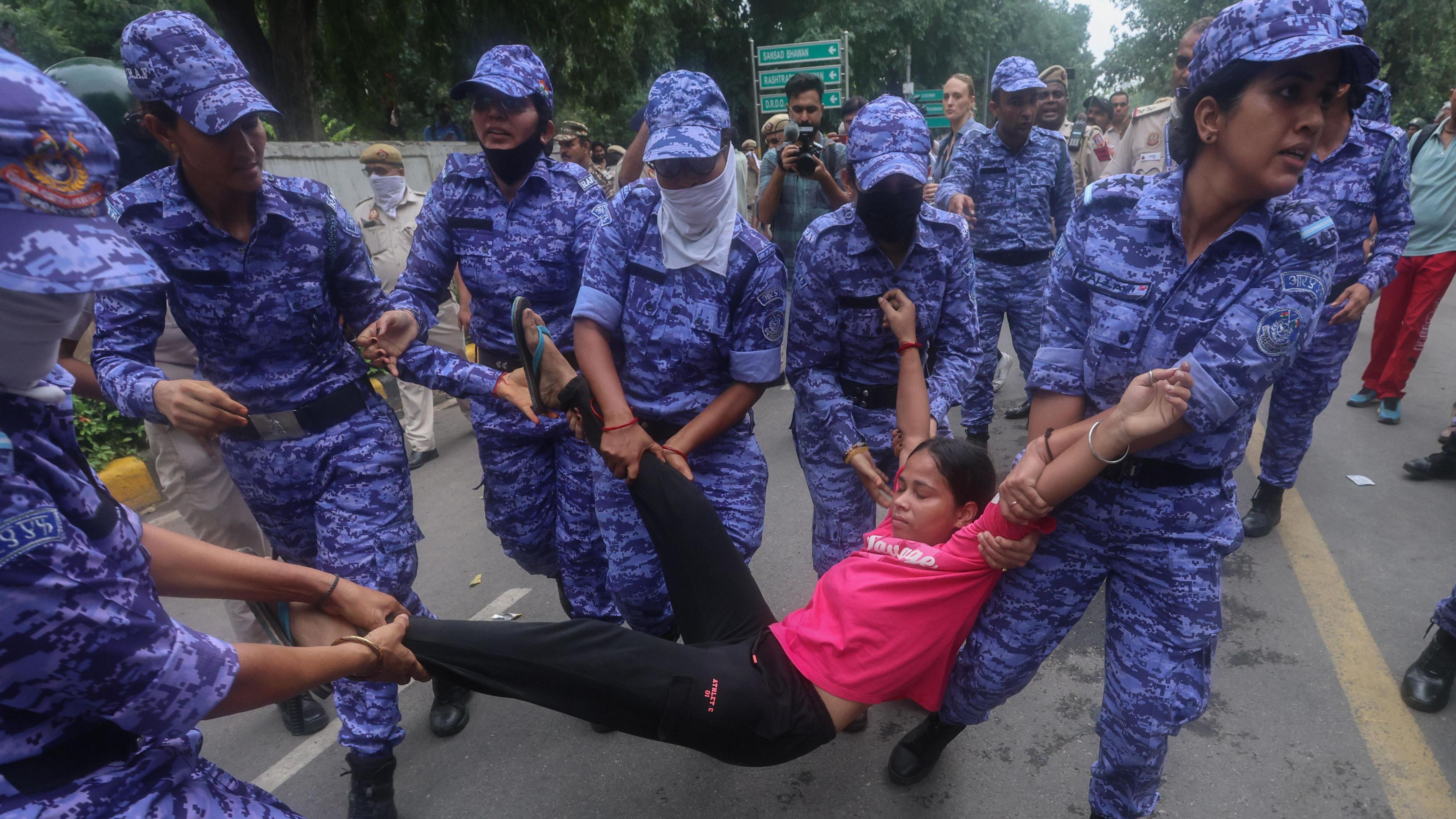
On Monday, thousands of students and supporters of India’s Cockroach Janta Party (CJP) again assembled at the historic Jantar Mantar observatory in Delhi. The gathering followed a police crackdown a day earlier, when riot police used batons and tear gas to disperse the January‑17 protest, injuring more than 60 demonstrators.
While the protesters sought to march toward Parliament, police blocked the route, sparking clashes that left dozens wounded. The CJP, founded by activist‑author Abhijeet Dipke, emerged from a satirical movement that critiques India’s education system after a Chief Justice’s remarks on “cockroaches” – a metaphor for unemployed youth seeking careers in journalism.
Opposition leaders, including Congress president Rahul Gandhi, condemned the violence and called for accountability, accusing Prime Minister Narendra Modi’s administration of silencing youth voices. In response, Health Minister J.P. Nadda met with a handful of CJP representatives, promising to review the allegations amid a backdrop of a nationwide fever over alleged leaks in the National Eligibility cum Entrance Test (NEET).
Despite the meeting’s aftermath and a brief moment when the protest seemed to recede, the CJP’s leaders immediately reclaimed Jantar Mantar after a brief restoration of internet service, issuing a call to continue the peaceful protest. Police later described the demonstration as “unruly and violent,” citing stone‑throwing and attempts to breach barricades. The CJP denied such claims, labeling the police as aggressors and urging supporters injured during the clashes to seek medical and legal help.
The incident underscored the growing frustration among India’s youth over systemic issues in the education sector, especially pertaining to exam integrity, and intensified debates on the role of law enforcement in managing large‑scale demonstrations.