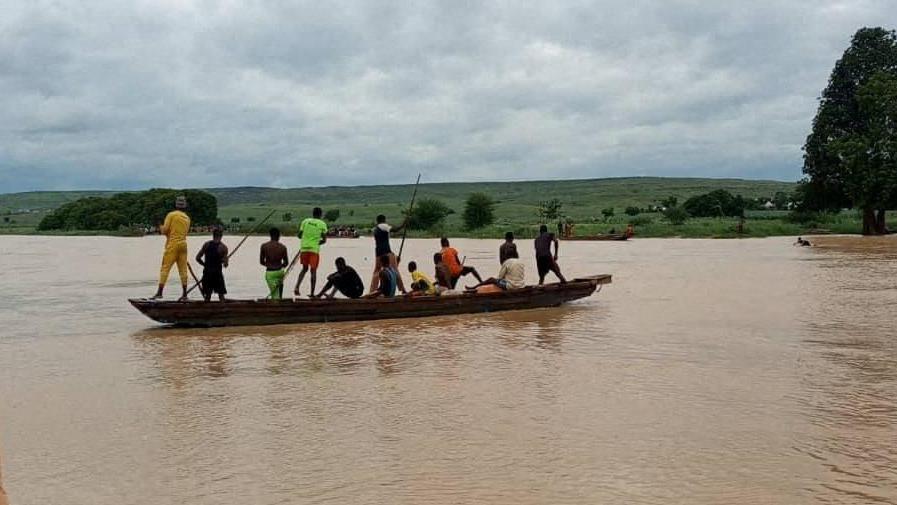
A tragic boat accident in Sokoto state left at least 46 people dead and 15 still missing. The casked vessel, which reportedly carried more than 70 passengers—most of them children—operated on a remote stretch of river near Gorau in Gorony.
Police spokesperson Ahmad Rufai confirmed the find of 46 bodies, while sixteen people were rescued safely. The area’s remoteness has complicated rescue efforts, with security agencies and emergency services racing to the site.
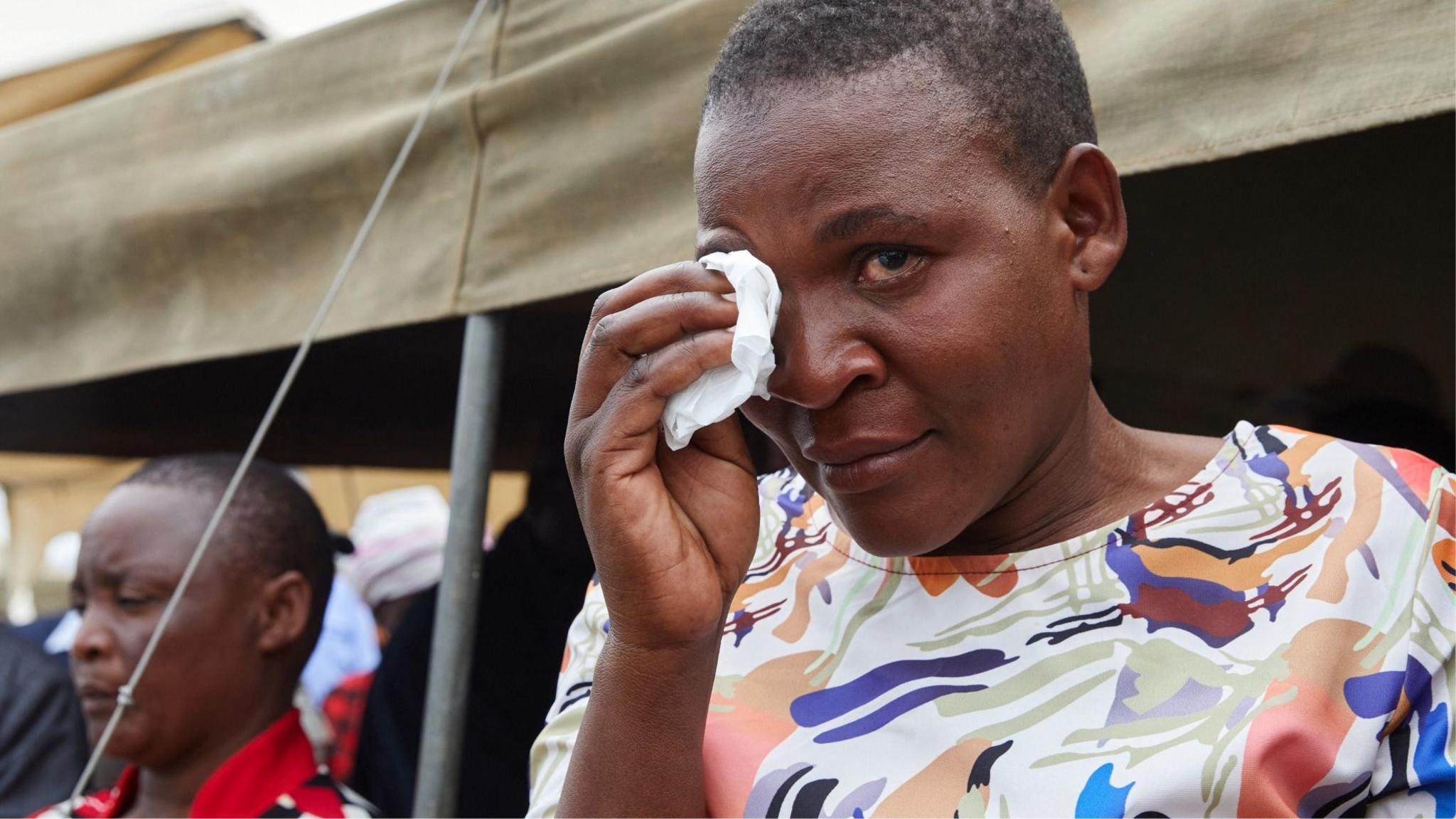
Witnesses report that the passengers were traveling with farm owners and laborers heading to rice fields. They described seeing dozens of bodies wrapped in mats and traditional cloths, awaiting burial beside a community mosque.
Nigeria’s emergency management agency (NEMA) spokesperson Ezekiel Manzo highlighted the remote nature of the locale and stressed the need for better preparedness. “Gorau is very remote; our team has moved to that remote location,” he said.
Boat accidents are common across Nigeria. The government has cited overcrowding, poorly maintained vessels and weak enforcement of safety regulations as leading causes. Similar tragedies occurred in the last 12 months, including a July incident in Jigawa state where five died and a December event on the River Niger that left 54 bodies recovered from a boat that may have held over 200 passengers.
Authorities have proposed a range of measures: supplying safer boats and life jackets, dredging waterways, deploying water‑guards at jetties, and ensuring operators receive proper training and licensing. However, many of these recommendations remain only partially implemented or enforced.
For millions of Nigerians, rivers provide vital transport, especially in rural areas where roads are poor and bridges scarce. Wooden boats continue to ferry people and goods between villages and marketplaces, underscoring the urgency of comprehensive safety reforms.