The impending shutdown of parts of the federal government is looming as lawmakers remain locked in negotiation over President Donald Trump’s immigration enforcement plan. With the funding for the Department of Homeland Security (DHS) set to expire on Saturday, Congressional Democrats are withholding support for increased funding until specific restrictions are placed on immigration enforcement, following recent violent incidents that have sparked public outcry.
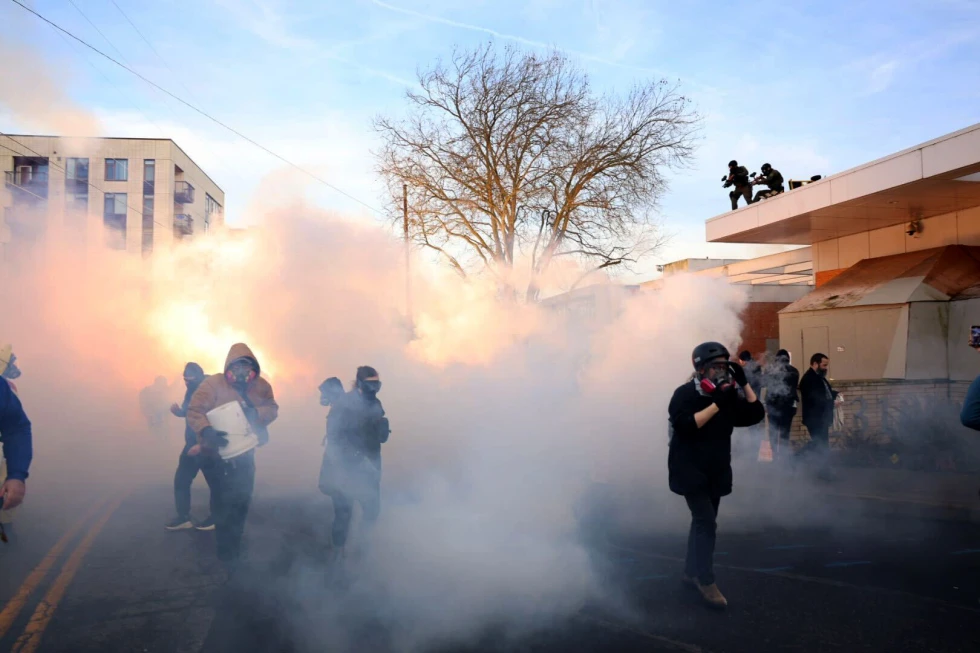
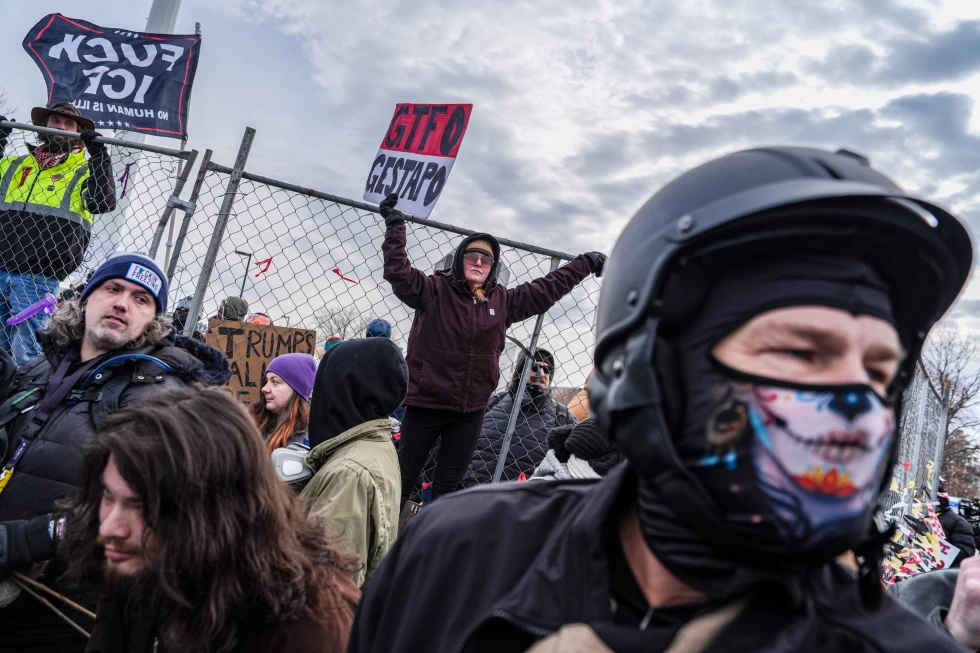
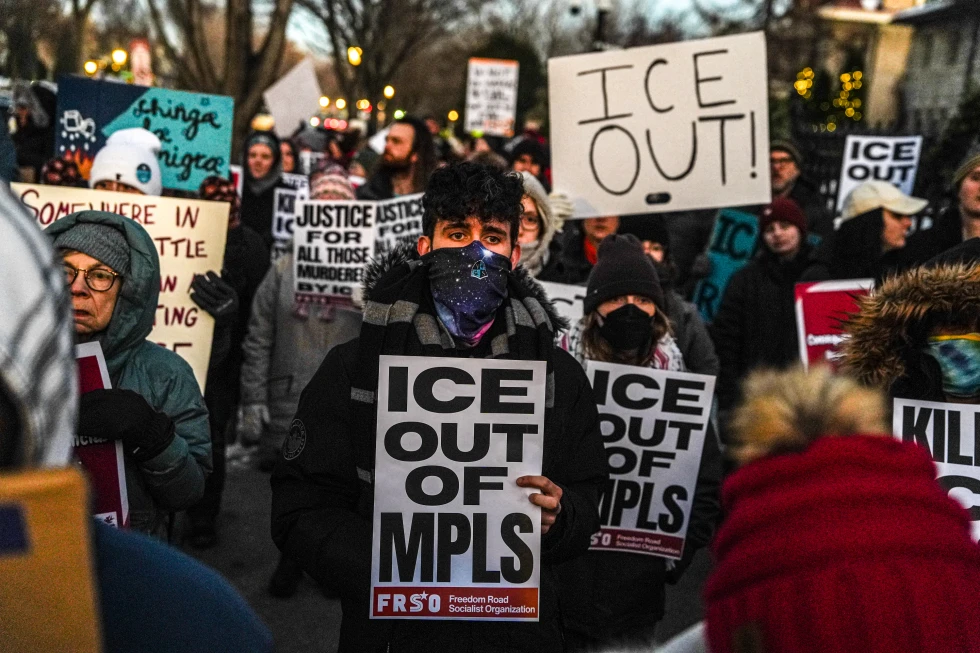
Democrats are demanding new operational standards for federal immigration agents after the shooting deaths of Alex Pretti and Renee Good in Minneapolis. These incidents have intensified calls for reforms in how immigration enforcement is conducted, particularly focusing on accountability and transparency.
Despite ongoing discussions between the White House and Democratic leaders, efforts to find common ground have faltered, and without a resolution, funding for DHS will lapse. This situation echoes the broader standalone funding challenges that have become a hallmark of recent political conflict in Washington.
This shutdown, while notably smaller than the extensive 43-day closure from last fall, could still cause significant disruptions. While DHS agencies, including Immigration and Customs Enforcement (ICE) and Customs and Border Protection (CBP), are expected to maintain operations using previously allocated funds, the potential for delays and service interruptions exists, particularly in areas like airport security.
Importantly, essential workers—such as those employed by the Transportation Security Administration (TSA), the Secret Service, and other federal agencies—will continue to work without pay. The stress of working unpaid hours could exacerbate absenteeism and operational delays in transportation hubs across the country.
Republicans have pointed to the significant funding allocated to ICE and CBP—$75 billion and $65 billion respectively—indicating that much of their operations will remain unaffected. However, many federal workers face the imminent threat of missed paychecks, leading to increased anxiety over their financial stability.
As we head into the weekend, the prospect of another government shutdown serves as a reminder of the ongoing and contentious debate surrounding immigration policy in the U.S. The next few days will be critical in determining how the government navigates this latest challenge.