France’s Student Protests: A Snapshot of a Deeply Divided Nation
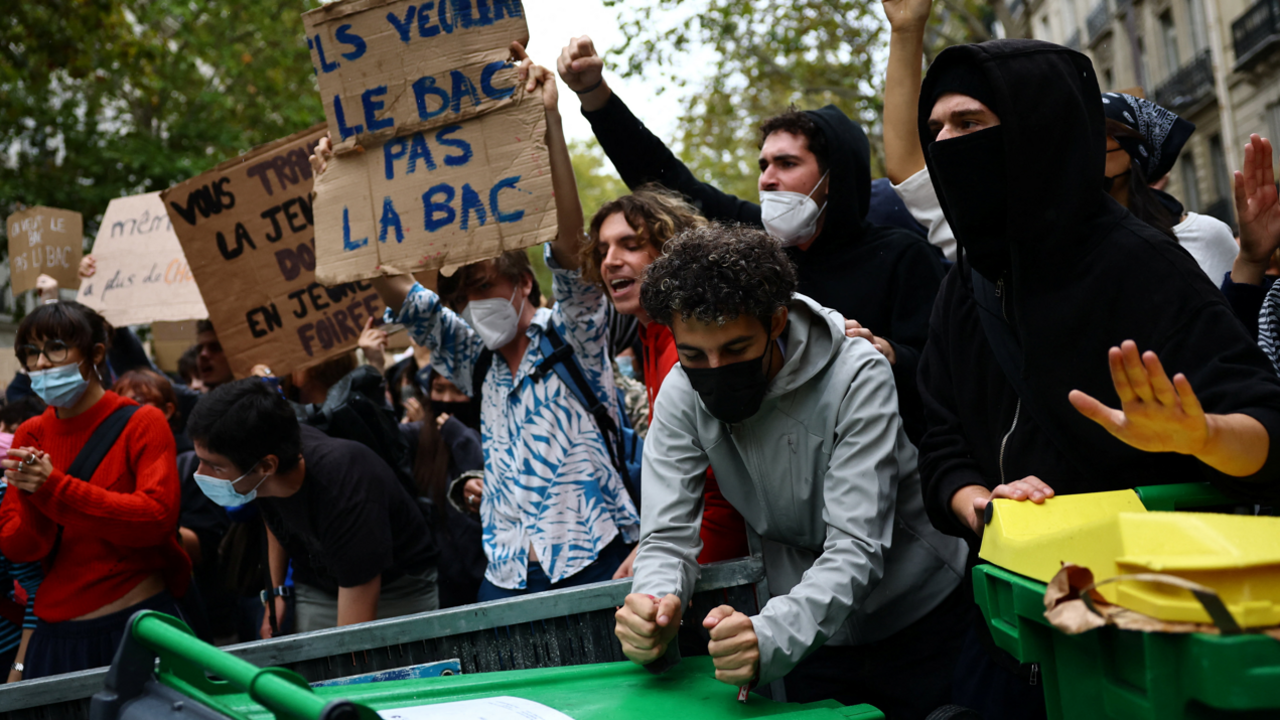
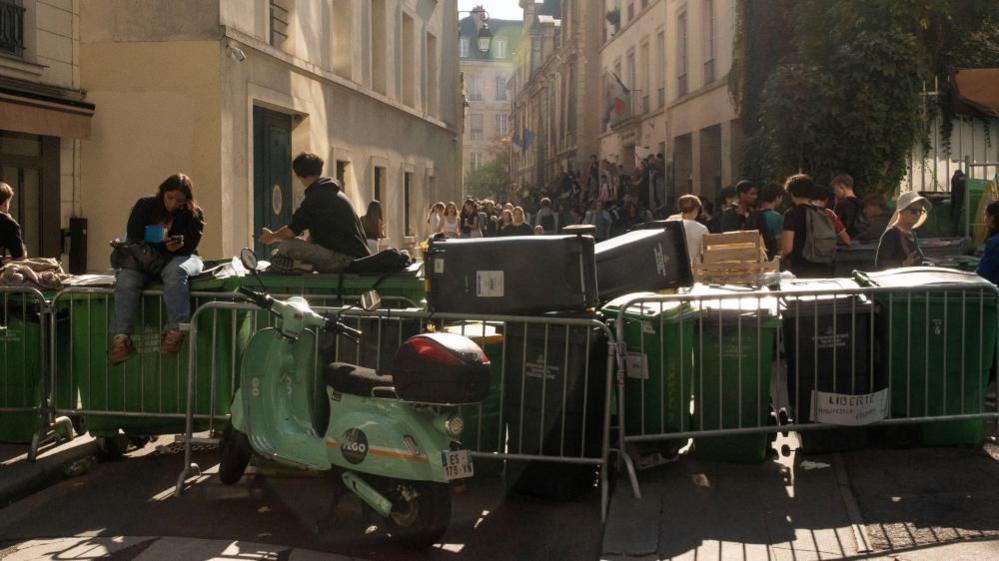
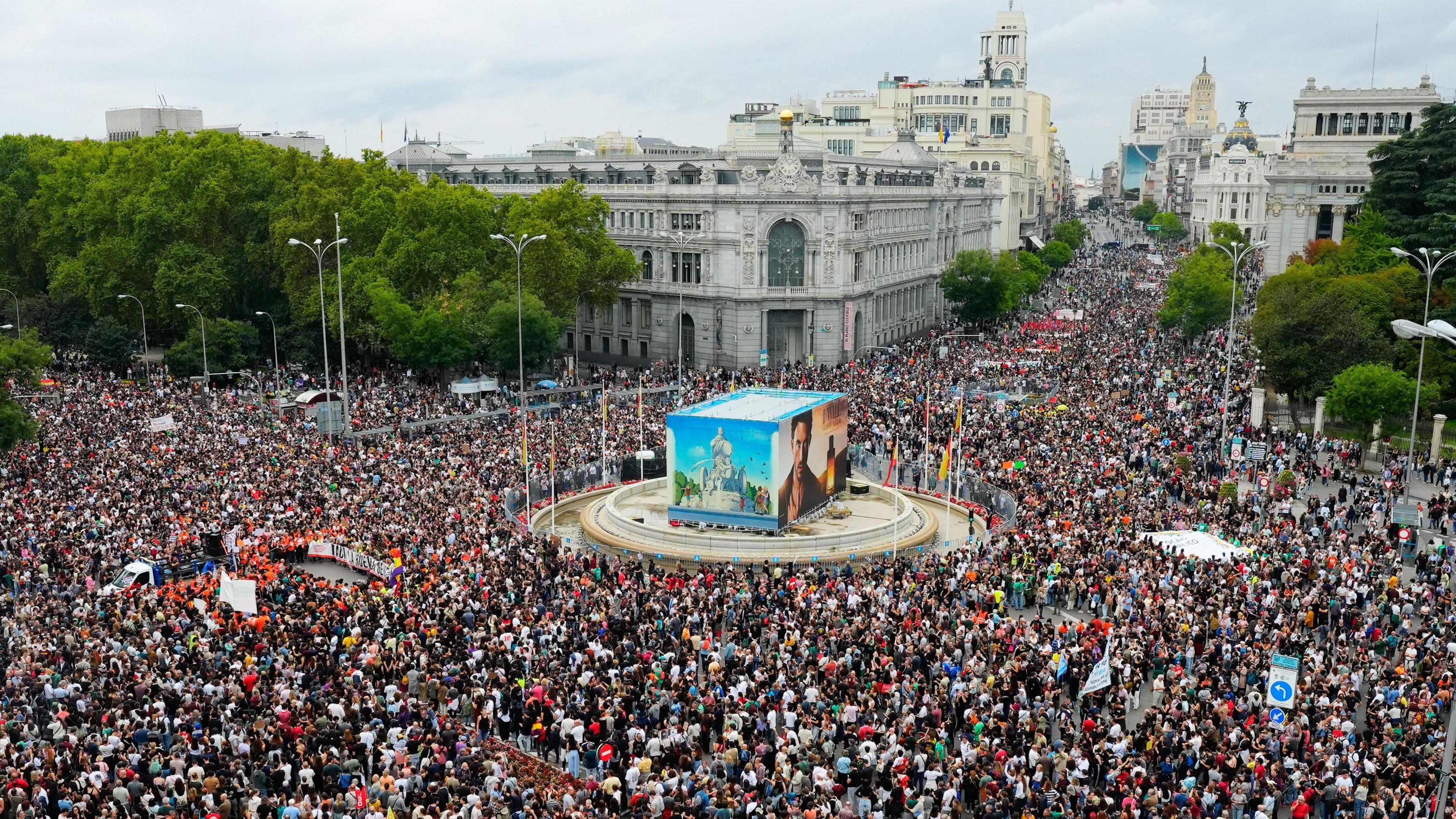
Since the end of last month, thousands of French high‑school students have occupied streets across the country, demanding better conditions at their schools and calling out the state’s failure to provide adequate funding, staff and infrastructure. The movement started at the Lycée Antoine‑de‑Saint‑Exupéry in Créteil, a suburb of Paris, and has since echoed in cities such as Lille, Nantes and Toulouse.
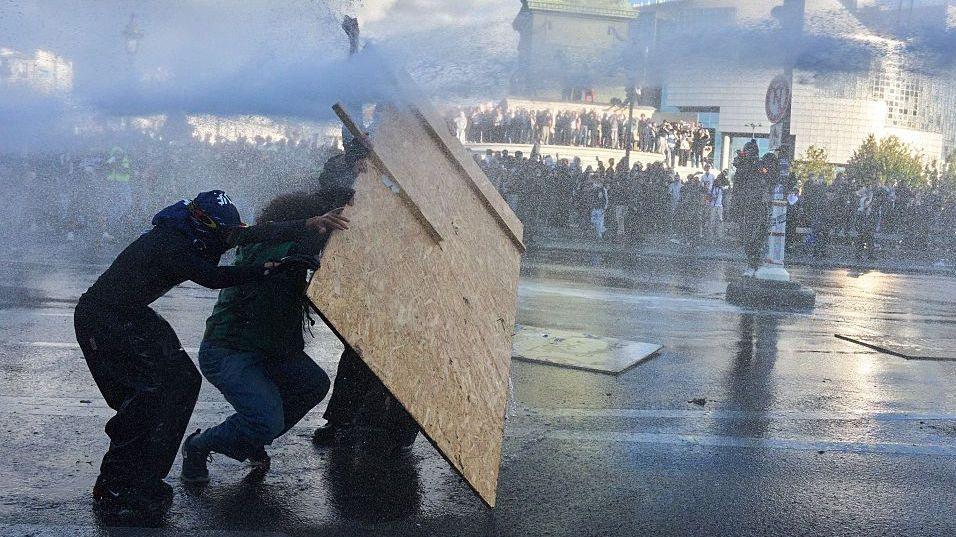
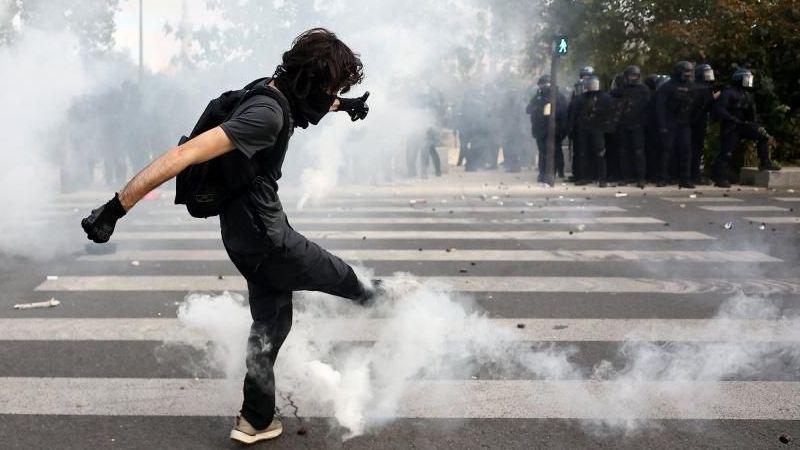
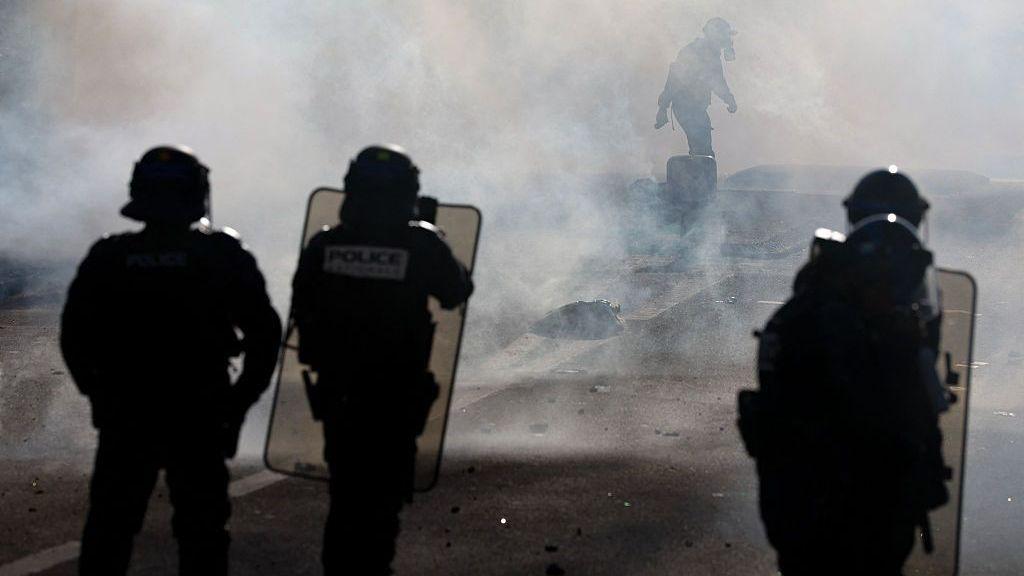
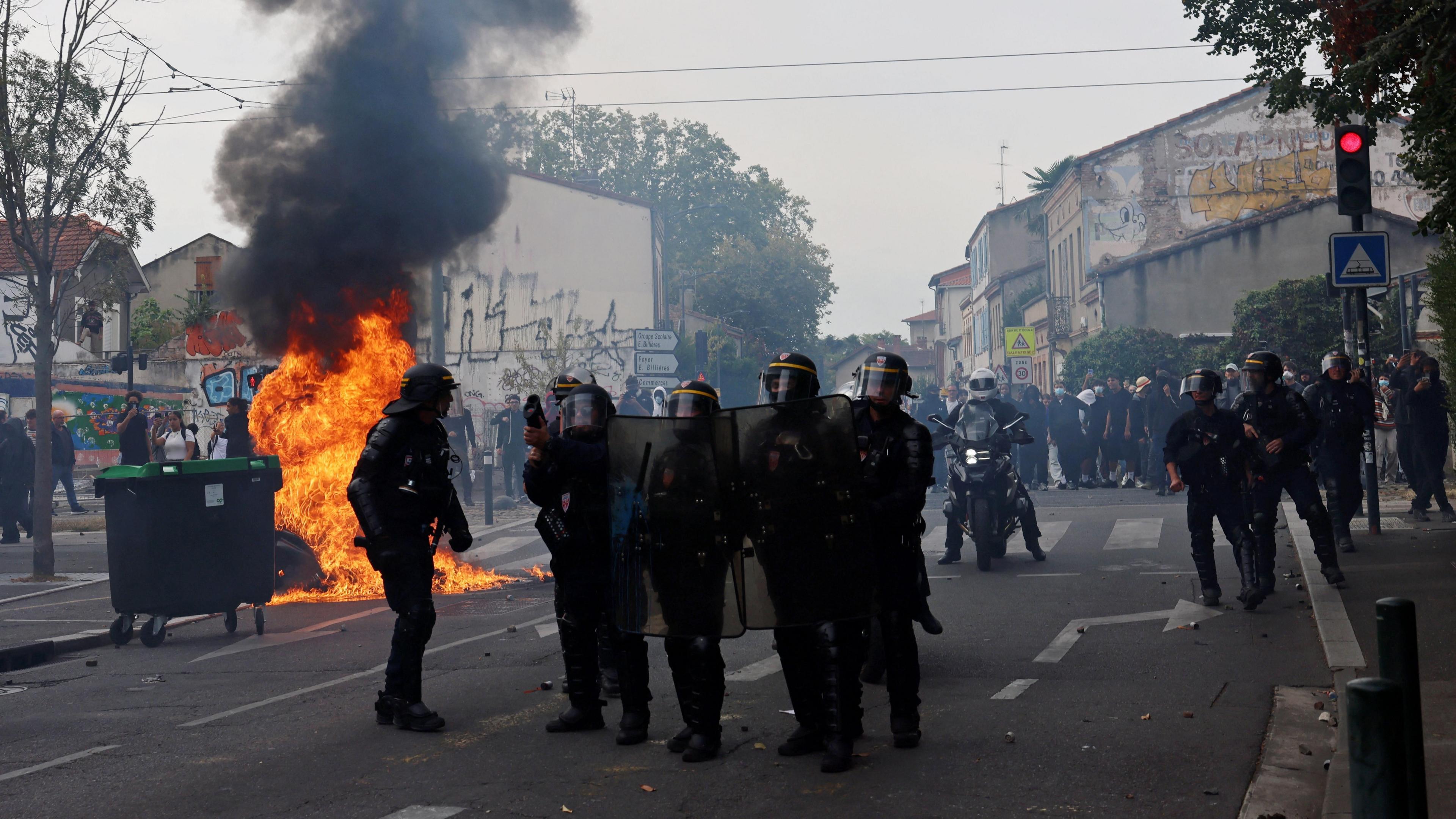
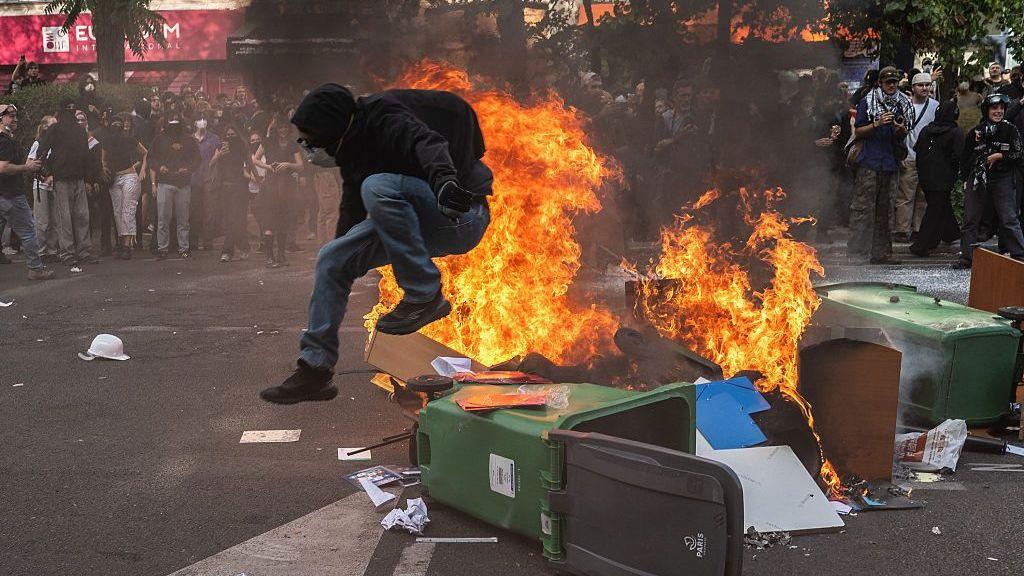
Students complain of overcrowded classrooms—often 35 pupils per class compared to an English average of under 23—long school days that can extend to six o’clock, and facilities that are frequently described as dirty, cold, or even home to rats. The riots have ended in a flare‑up between crowds and police, with incidents of tear gas, flash‑bangs and injuries reported on both sides.
The protests have drawn national attention, with leaders on both the hard left and hard right offering to support the cause. Marine Le Pen has voiced criticism of the damage done to educational buildings and suggested that parents could be held responsible for repairs, while Jean‑Luc Mélenchon has framed the unrest as a continuation of France’s historic 1968 protests, urging the government to respond decisively.
Prime Minister Sébastien Lecornu announced a short‑term plan to deploy 3,000 additional supply teachers, insisting that a broader plan would be unveiled later that month. Journalists report that the current budget constraints make any lasting solution difficult, with projected increases in education spending of only 1.7 per cent in the next draft budget.
Teachers themselves have joined the protests, citing exhausted resources and long hours that leave critical downtime. School principals and union representatives have highlighted the dangers of policed protests, with some educators warning that heavy‑handed tactics could erode the faith of the youth in democratic processes.
The current crisis has therefore transcended education, becoming a litmus test for government policy and political leadership ahead of the next presidential election. While some families and civil‑society groups call for calm, many students hold firm in their belief that the state has failed to provide the security and dignity necessary for learning.

Image credit: Getty Images