In a televised interview Thursday evening, France’s Education Minister Edouard Geffray announced that 3,000 temporary teachers would be assigned to high schools that have been most affected by staff shortages, a first tangible concession to a student movement that has raged for weeks.
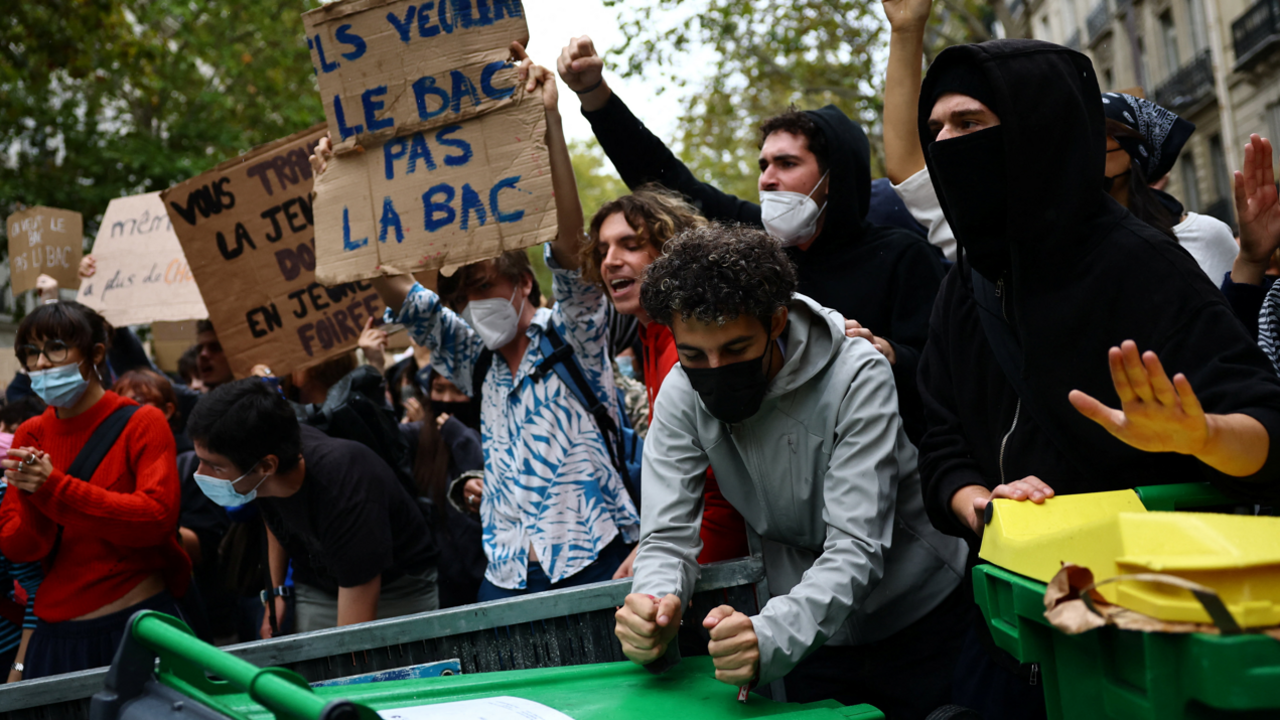
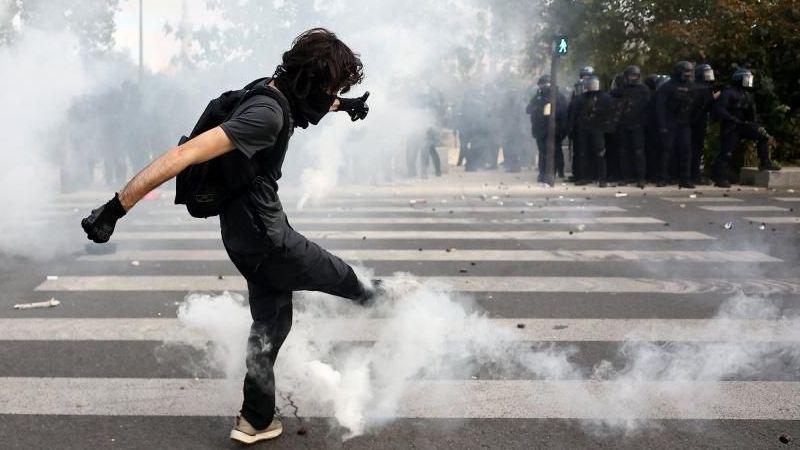
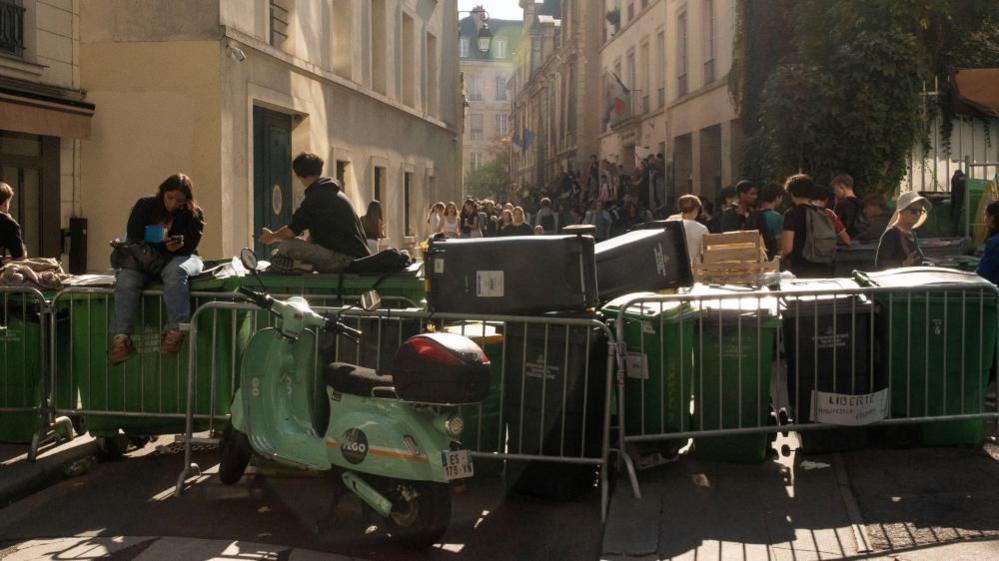
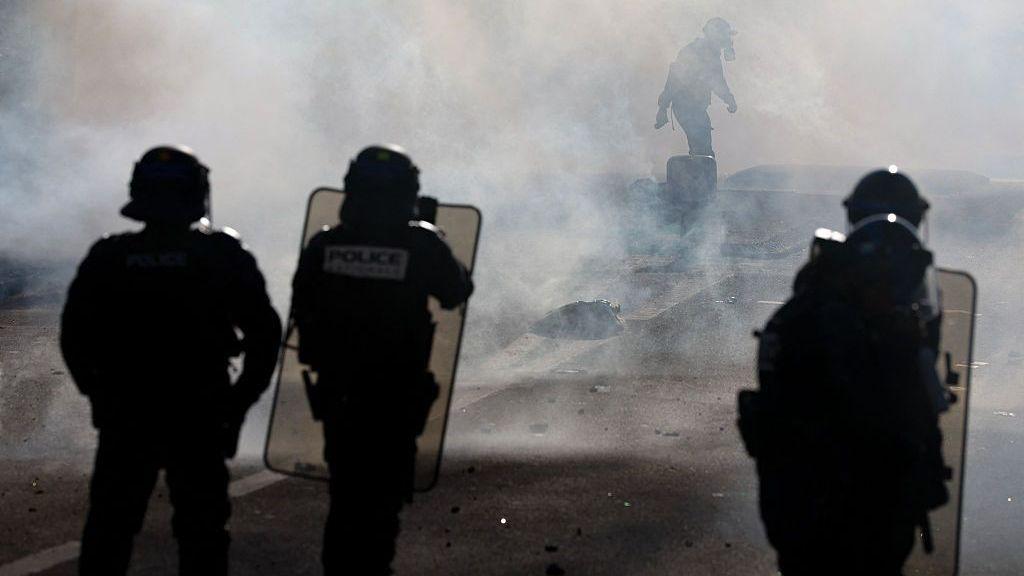
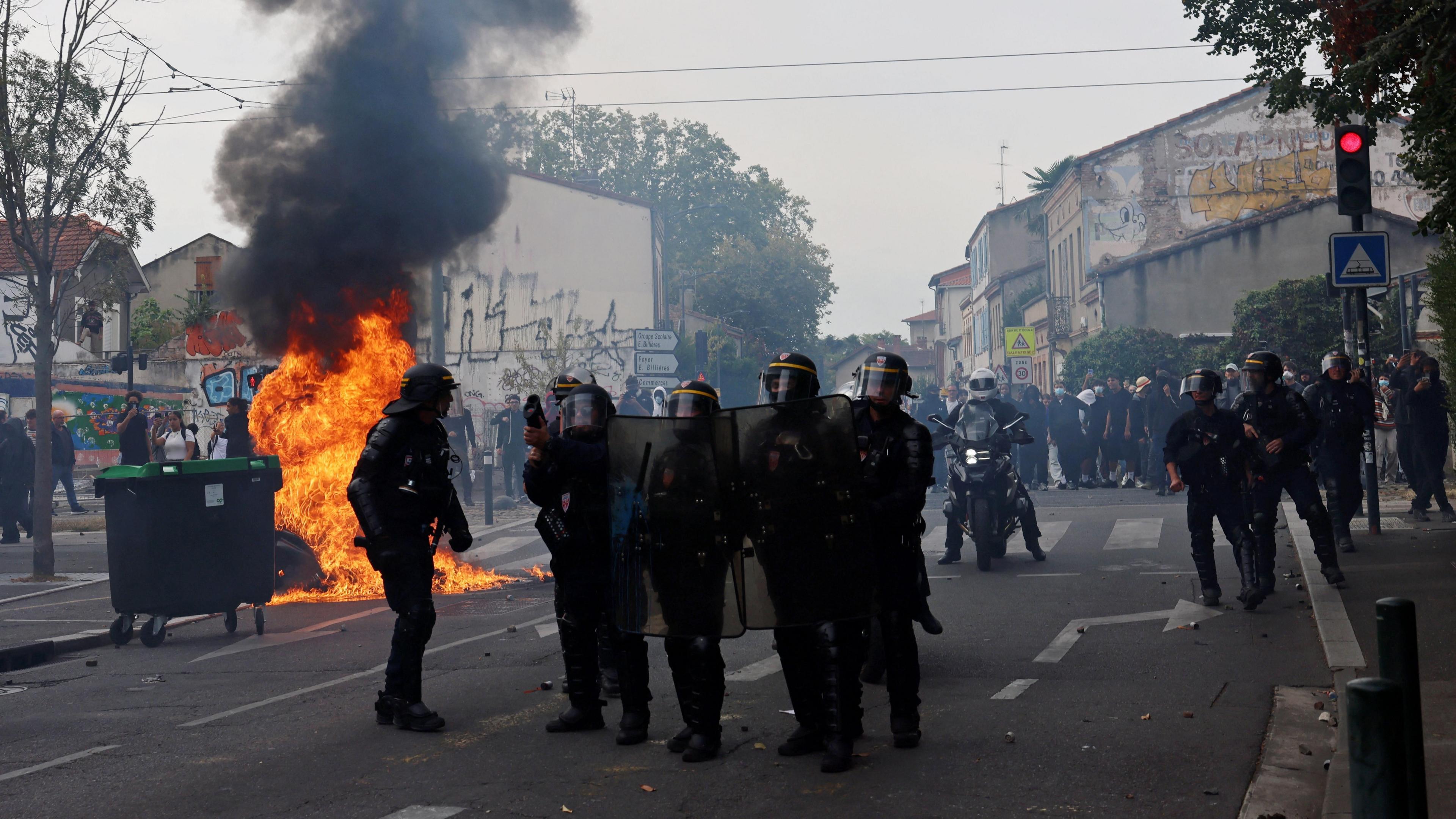
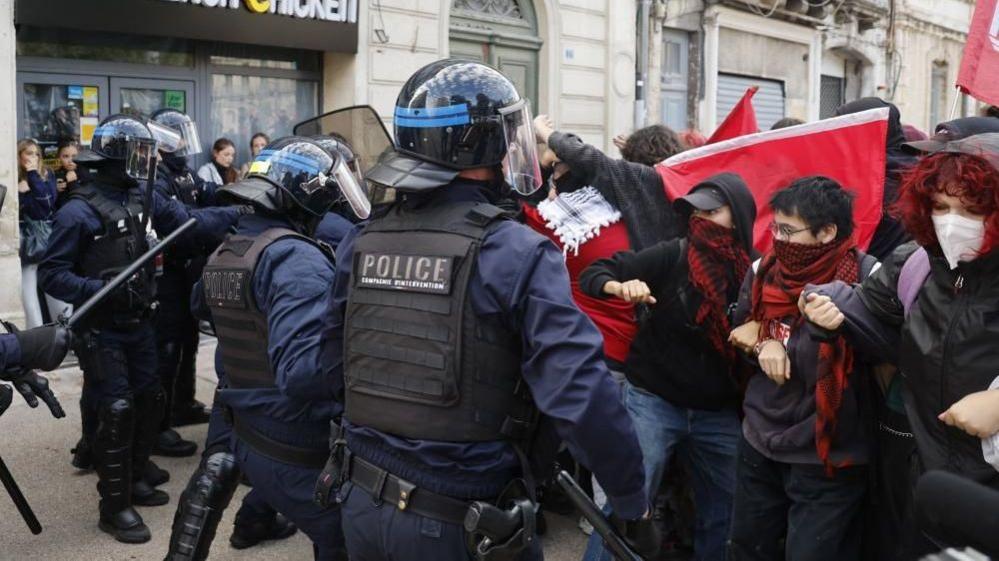
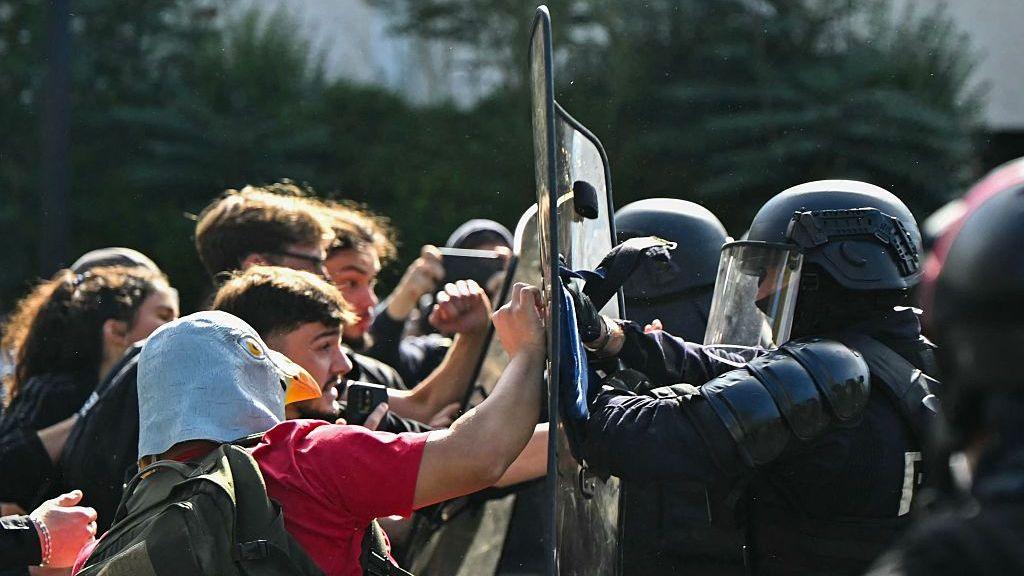
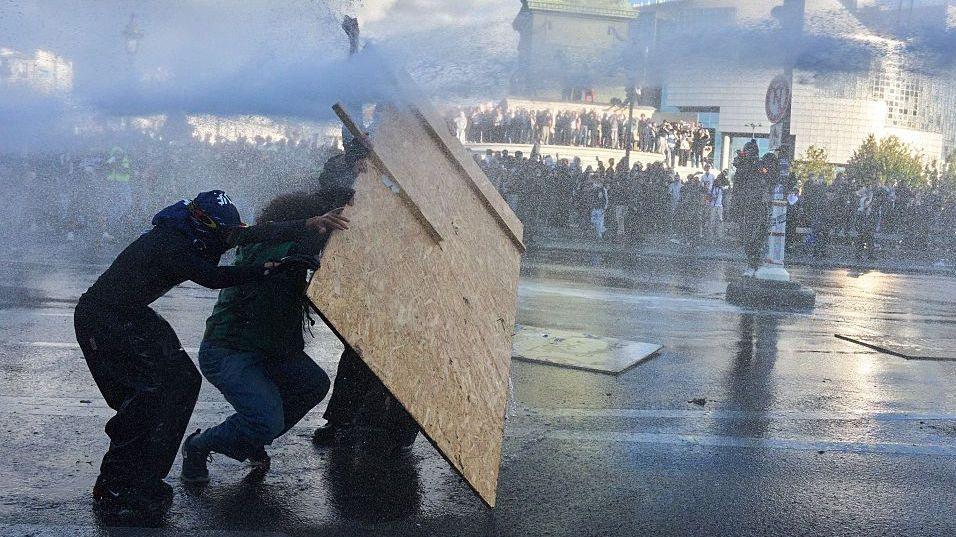
The protests, centred on demands for better resources in secondary education, have seen 71,000 demonstrators across the country, with 24,000 gathered at the Bastille in Paris. Police reports indicate 6,877 arrests, 86 % of whom are under 18, and incidents of property damage and clashes with riot police.
The minister said that a new digital system at the Ministry of Education would allow the rapid deployment of substitute teachers to approximately 500 lycées identified as having the greatest need. The plan also includes increased funding for overtime pay under existing schemes.
Student union representatives, however, have expressed cautious optimism. Nathanaël Combary of Renouveau Lycéen noted that the announcement promotes the “soundness of the students’ demands,” but insisted that the movement will continue until a €10 billion investment is declared at the next stage of the 2027 budget discussions.
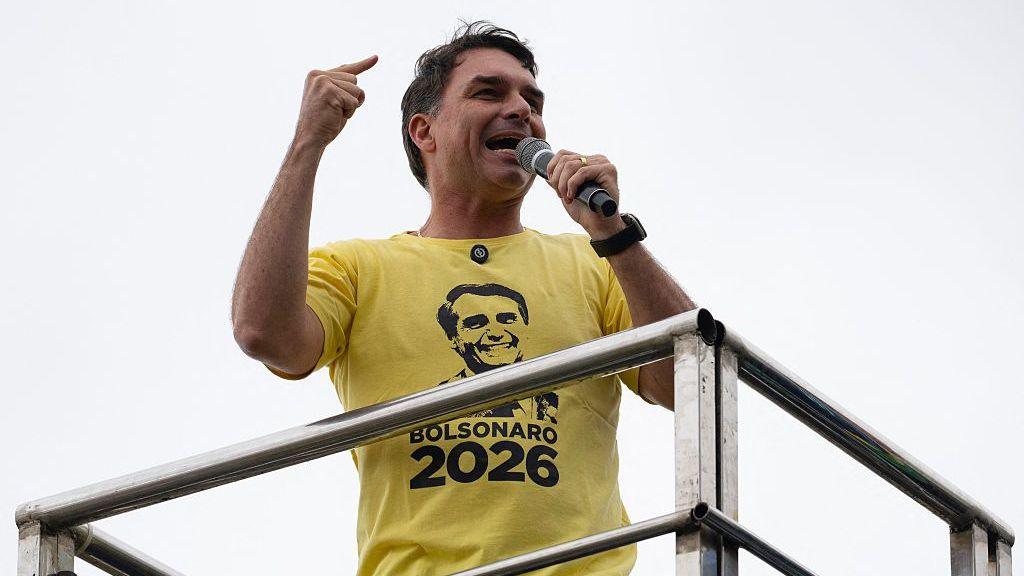
The political left reacted positively. France Insoumise’s Jean‑Luc Mélenchon praised the protests on X, describing them as a “retaking of the Bastille.” In contrast, a spokesperson for the hard‑right National Rally condemned the concessions as legitimising violent protest, with Laurent Jacobelli warning that “breaking things earns rewards.”
Economic analysts point to France’s fragile debt situation as a limiting factor for large‑scale spending, suggesting that the government is seeking a middle ground to maintain fiscal stability while addressing urgent educational needs.
Despite the new teacher deployment, students plan further demonstrations, including a planned “yellow vest” rally on 17 October and possible school closures in the coming week as winter weather sets in.