Fujisawa’s First Mosque Sparks Debate on Identity, Immigration and Community Tolerance
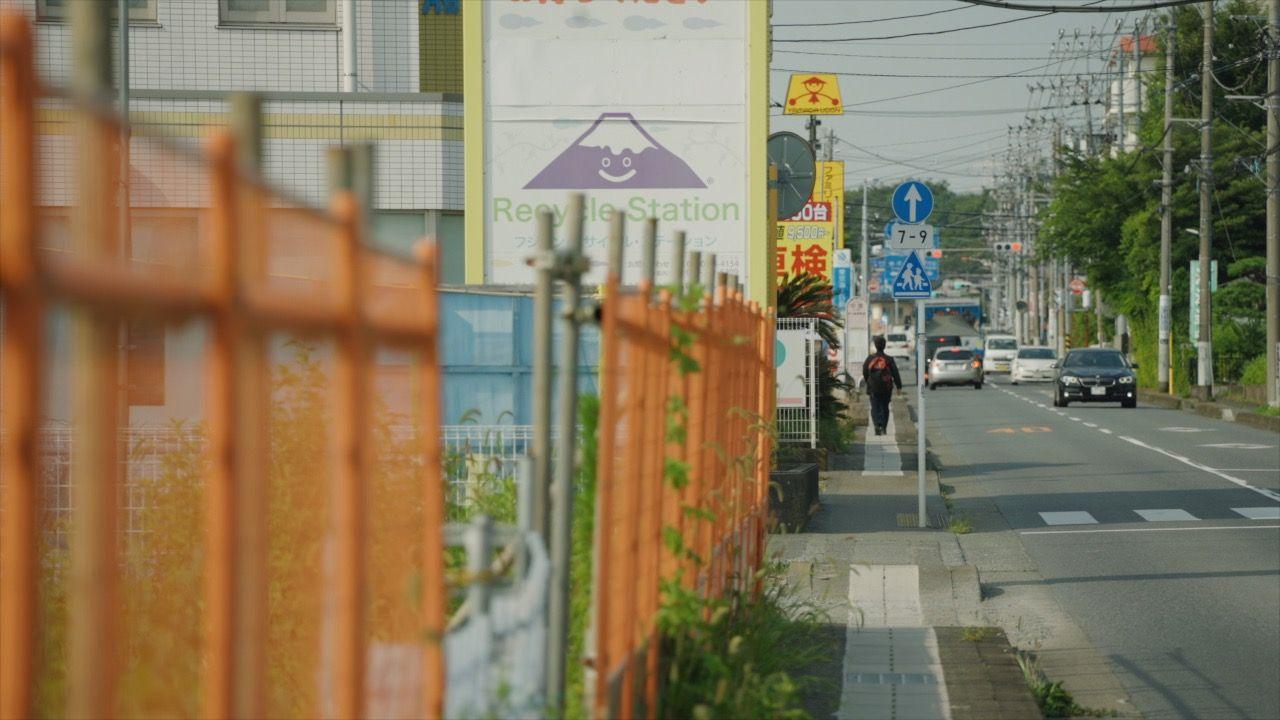
Fujisawa, a quiet seaside town about an hour south of Tokyo, is turning a bright field of grass into a contested site of cultural change. The proposed mosque has become the focal point of protests, fear, hope and a broader conversation about who Japan is and how it will grow.
Local Protest and Fear of the Unknown
“It makes me worry about how our community might change,” says long‑time resident Noriko Izumizawa. Her sentiment echoes those who broke into the town’s train station last year, where a wave of thousands marched in protest. Many argue that a mosque taller than the nearby Shinto shrine is disrespectful to local tradition.
Social media has amplified the tension with hate messages calling newcomers “Get out of Japan” or “Go back to your own country.” In response, anti‑hate groups organized counter‑protests demanding “no hate.”
Muslims Living in Japan
For Muslims in Japan, the issue is not just a building; it’s a test of tolerance. Mohamed Mohideen, a Sri Lankan‑born businessman who has lived in Osaka for 39 years, reports growing hostility: “On social media, there are countless comments like, ‘Get out of Japan’ and ‘Go back to your own country,’” he says. Yet he adds, “I have never felt my life was in danger.”
Mohideen stresses that a Muslim in Japan can be peaceful: “We make every effort to respect the ways things are done in Japan and follow the rules.” Similarly, Shakeel Mohamed from Saitama’s Yashio mosque argues that the community adheres to local customs, noting Japanese residents refer to them jokingly as “Yashio‑stan.”
The Policy Backdrop
Japan’s immigration policy has historically been restrictive, but the country now faces a labour shortage caused by a shrinking, ageing population. The number of foreign residents rose from about 2.3 million in 2020 to 4.0 million last year, with over 2.5 million employed. The government increased visa fees five‑fold in June 2026, a move that signals a tightening stance.
Experts such as Professor Hirofumi Tanada note the Muslim population is near 420,000, up from 230,000 in 2019. The public debate is thus a microcosm of nationwide worries about diversity versus cohesion.
Calls for Dialogue
Local business owner Hiroki Suzuka calls for understanding rather than opposition. “I think the first step is to learn about them, what Islam is, what kind of people they are, and what values they hold,” he says. “It begins with having an open mind and a desire to understand each other.”
The townspeople’s responses range from fear to hope. While some residents ask to “protect the identity” of the town, others see a mosque as a sign of Japan’s expanding cultural mosaic—a reminder that immigration can bring both opportunity and challenge.
With the site set for construction, Fujisawa’s debate will become a national symbol for the balance between preserving cultural identity and embracing an increasingly diverse society.