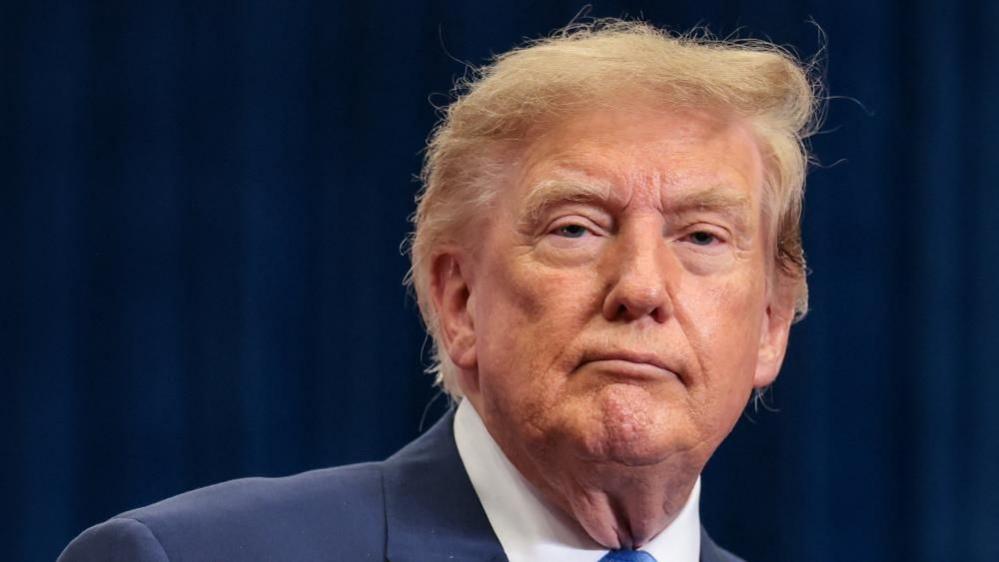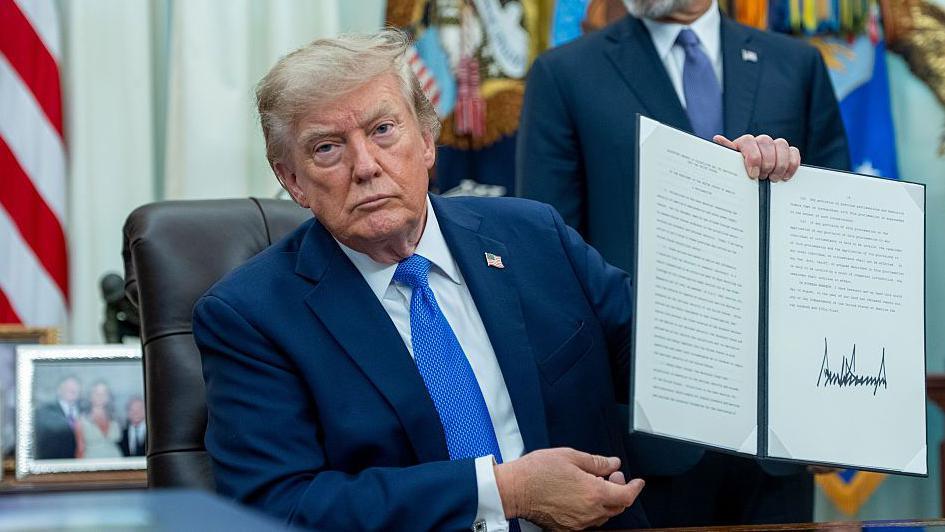
On Thursday, President Donald Trump signed two executive orders that aim to tighten the United States’ birthright citizenship policy, coming after the Supreme Court rejected an earlier attempt to eliminate the 14th Amendment’s guarantee.
The first order expands the list of non‑citizen parents from whom a newborn is automatically excluded from citizenship. It adds parents who are members of foreign terrorist groups, foreign government employees, have fraudulently sought citizenship, or live in U.S. territories where citizenship is not conferred by federal law.
The second order prohibits what officials call “birth tourism” – the practice of pregnant mothers travelling to the U.S. solely to give birth so that the child becomes a citizen. The White House stated that the policy is intended to guard against “malign foreign actors” taking advantage of the nation’s generosity.
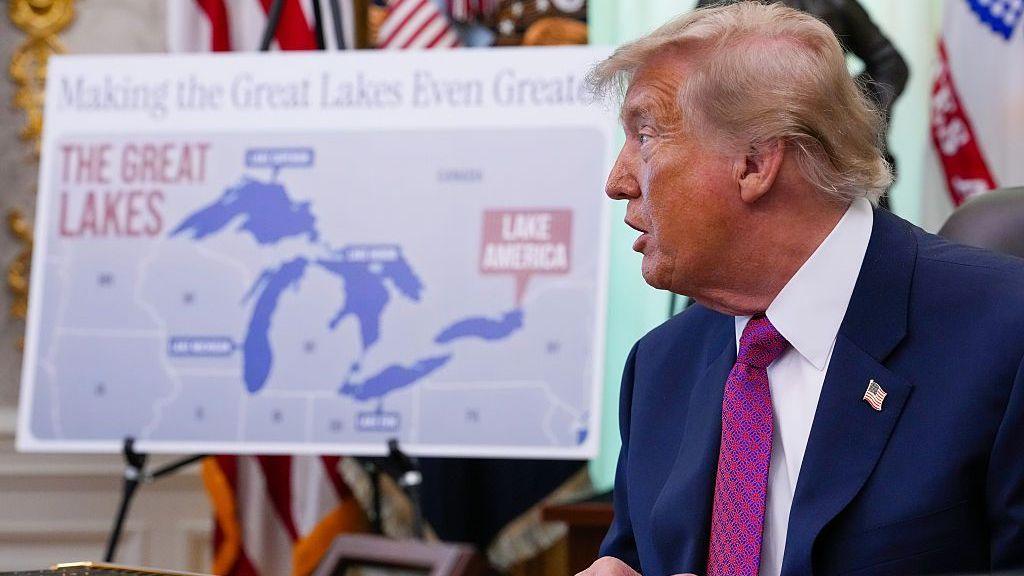
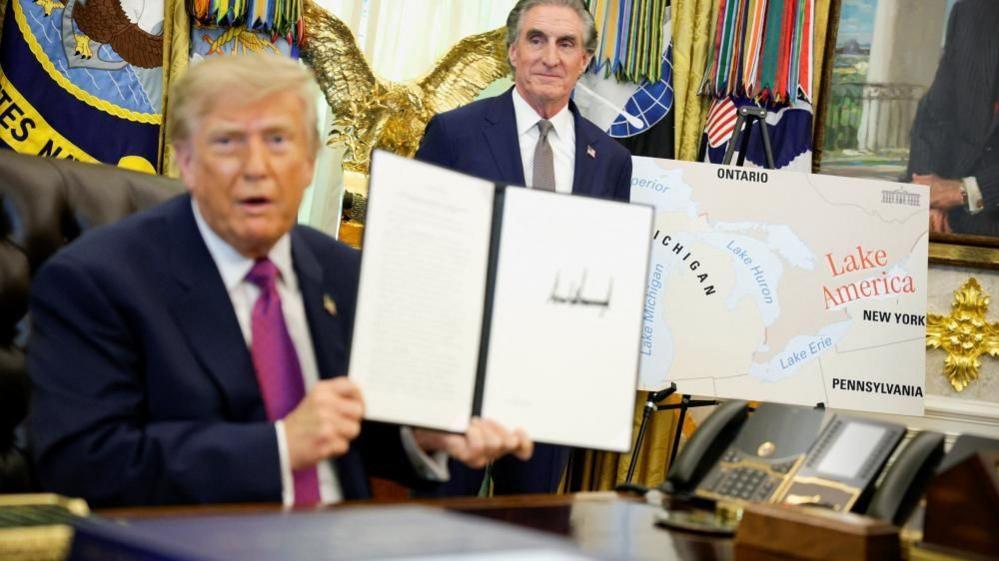
Trump’s comments:
“This should have happened years ago, but we’re taking care of it now,” he said in the Oval Office, criticizing the Supreme Court’s decision.
Supporters of the orders highlight that the U.S. has historically protected against exploitation of its citizenship laws. The Migration Policy Institute estimates roughly 22,000‑26,000 births each year come from birth‑tourism practices.
Critics and scholars caution that if the orders were upheld, they could raise serious constitutional questions. A professor at UC Davis noted that while the government can limit immigration for the purpose of birth tourism, it can’t retroactively strip citizenship from a child already born.
The orders also touch on citizenship for children born in U.S. territories. For example, Puerto Rico’s residents are U.S. citizens by federal statute, and the new restrictions do not apply there.
Potential impacts include a reduction in the number of U.S. citizens born abroad and a shift in political-legal debates surrounding immigration. The move has prompted calls for further judicial review and raises questions about how the executive branch can modify rights codified in the Constitution.
Read the full BBC article for context and analysis from both sides of the debate.