Hawaiian Sea Arch Collapses, Citing Erosion and Storms – A Changing Landscape

Image source: NPS Photo/Janice Wei
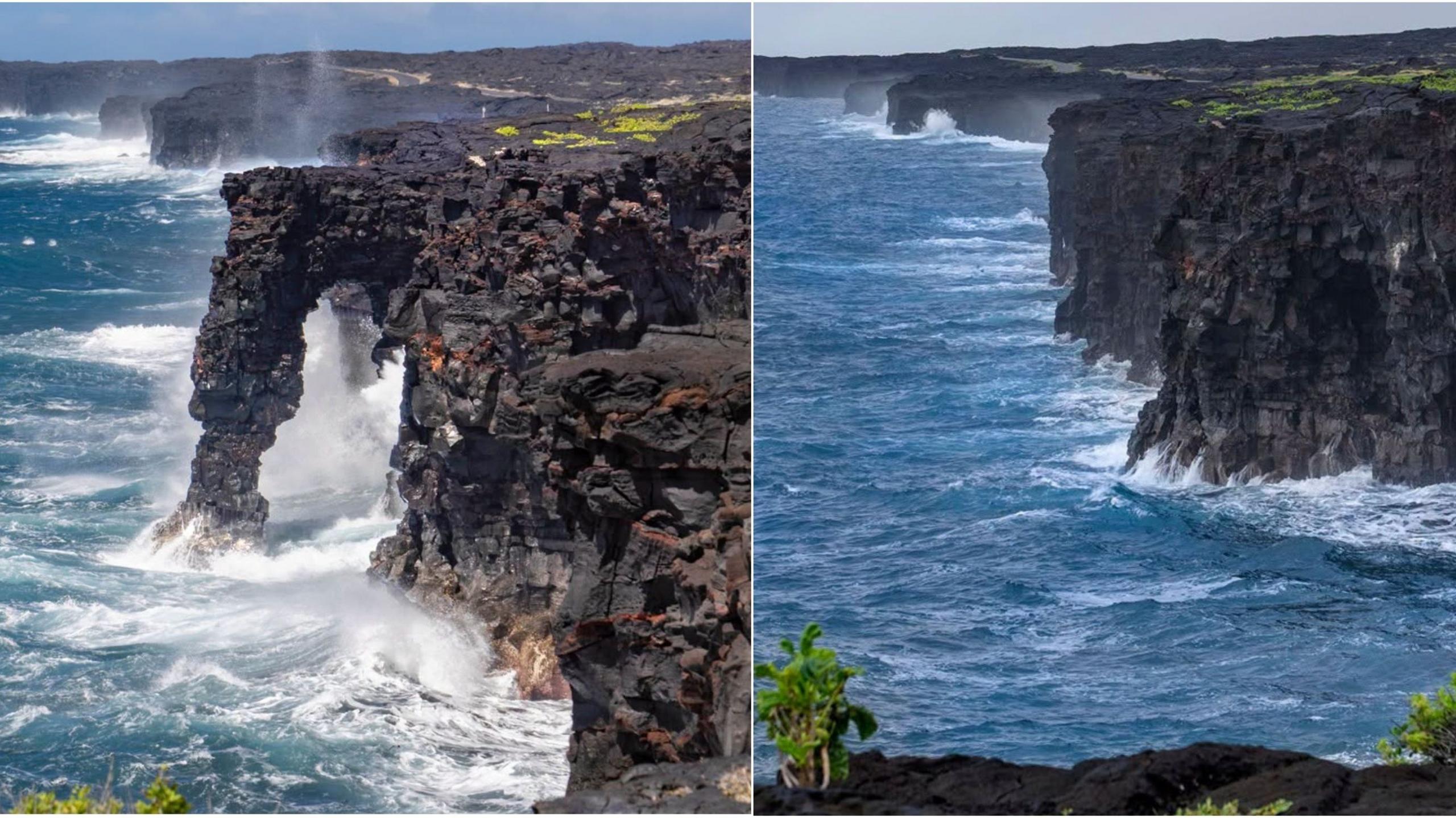
The 90‑foot lava formation that once punctuated the shoreline of Volcanoes National Park fell into the Pacific between 23 and 27 September, according to the National Park Service (NPS).
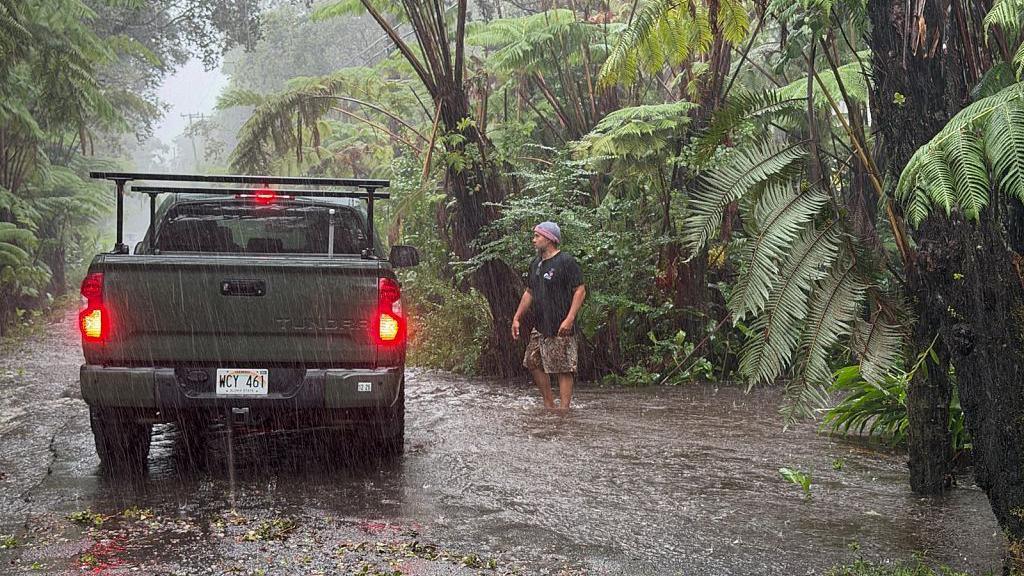
Geologists say the arch has been showing signs of instability for years, and the park warned in 2021 that it would eventually crumble. The most recent deterioration, however, is tied to the 2018 Kīlauea eruption and its subsequent summit collapse, which shook the cliffs adjacent to the arch, as well as the dampening effect of tropical storm Nolo that forced a temporary park closure.
While the arch was once a headline attraction drawing visitors for its dramatic height and the pristine backdrop of the Pacific, the NPS has moved viewing areas to a safer distance after cracks appeared in the cliff face earlier in 2020.
Local social media posts about the collapse have mixed feelings: some mourn the loss of a beloved landmark, others point out that nature’s cycles mean that new formations will arise as the coastline recedes inland.
This event highlights the fragile balance between tourism, geological processes, and the environmental hazards that shape Hawaii’s iconic landscapes. The NPS remains vigilant as they continue to monitor cliff stability and inform visitors of potential risks.