Why a scandal in Northern Cyprus matters to families worldwide
Between 2012 and 2024, at least 30 children born in northern Cyprus could have been conceived using sperm or egg donors other than those chosen and approved by their parents. The majority of the parents are British, and their concerns come not only from out‑of‑country care but also from their nation’s own regulations on donor identity and informed consent.
The core of the allegation
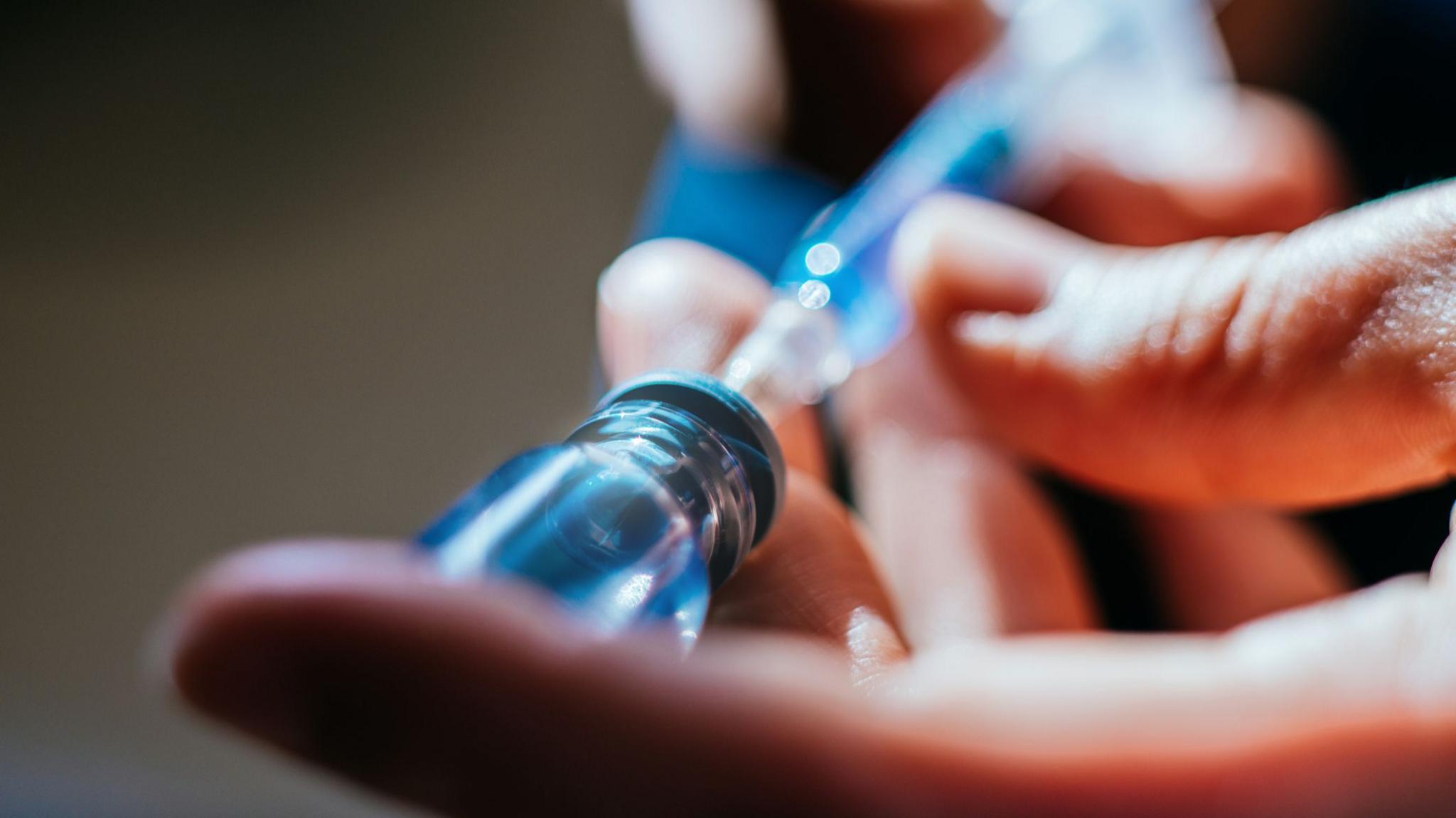
The parents involved claim the Donald IVF Centre, and other clinics, promised that the anonymous donors they picked – based on medical history, education, and appearance – would be used. Yet family members, and later commercial DNA tests, show that the children in question have genetic markers inconsistent with these donors.
Ten parents say the sperm or egg used was from a Turkish or Southern European source, not the Danish donor they selected from the world’s largest sperm bank, Cryos International. The identities of the actual donors remain unknown to the families.
When the donors are unclear, who is responsible?
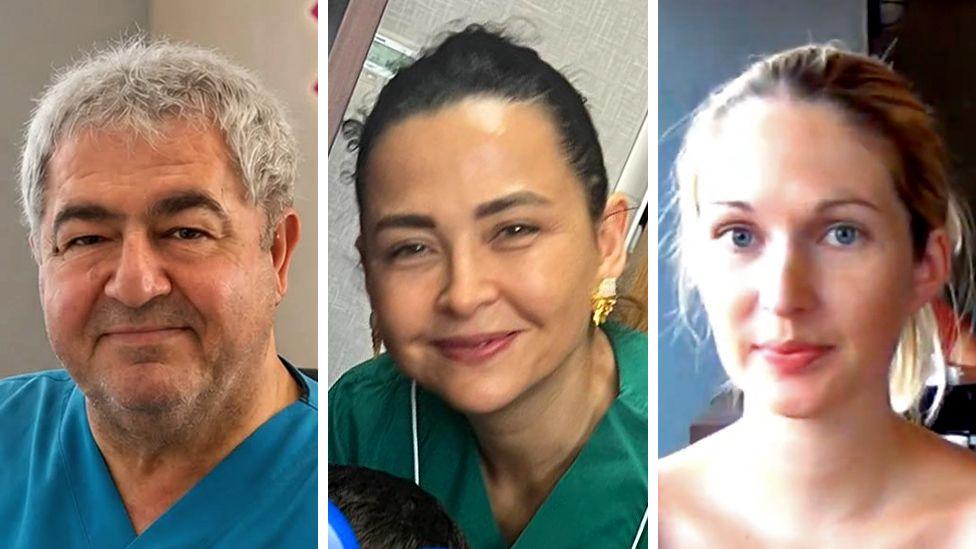
Dr Sevket Alpturk, who runs the Dogus IVF Centre, signed off procedure approvals. Dr Firdevs Uguz Tip handled six younger parents’ cases, and the clinic’s patient coordinator, Julie Hodson, was the main point of contact. Each of them has been accused of either ignoring, bypassing or misleading the parents about donor selection. All three still deny wrongdoing in interviews with the BBC.
The role of the sperm bank and regulatory bodies
Cryos International has long used the phrase “approved donor” to refer to their own rigorous screening. The bank has a record that the Dogus clinic was black‑listed in 2016 because it “failed to order Cryos sperm for a patient who had explicitly requested it.” Consequently, Cryos temporarily suspended ties with both the clinic and Dr Tip until the investigation is finished. The clinic’s own owner and the British Fertility Society describe the incidents as “systemic” rather than isolated mistakes.
The combined investigation of Greece, the Turkish‑occupied region and the UK’s foreign‑office guidance has revealed an absence of credible oversight. While the region’s authorities say they have conducted a formal inquiry, no public statements have surfaced from the Northern Cyprus Ministry of Health.
Families’ emotional journey and the right to know
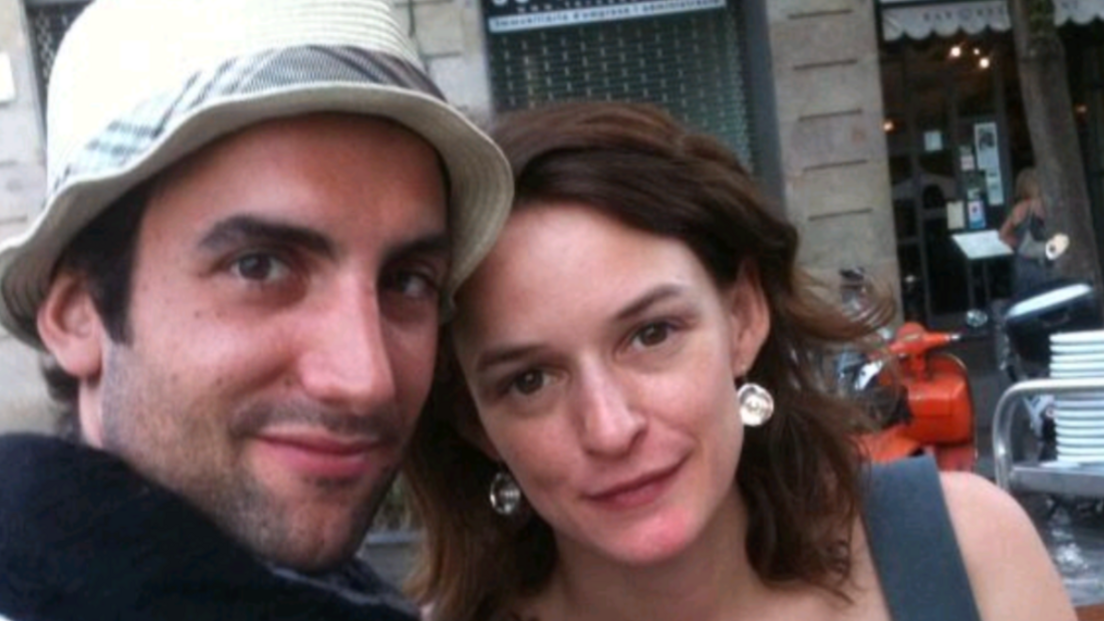
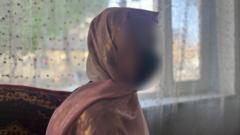
Parents such as Rachel, who gave birth to her son Jonah in 2012, describe the confusion as “scandalous.” Jonah, once assumed to be of Danish heritage, learned, after a commercial DNA test, that his ancestry includes Turkish and Southern European roots. Whether he will ever learn who the real sperm donor is remains uncertain.
Donor‑conception advocates call for stronger laws ensuring that transplanting a child, and subsequent rights to knowledge, must be firmly grounded in transparency.
What can the international community do?
Ultimately the scandal emphasises the need for an independent regulatory body for clinic standards in regions with disputed sovereignty. The UK’s updated travel advice already cites “risks from lack of regulation” for northern Cyprus. Undeterred, clinics may still offer lower costs, high success rates and a wide range of donors; but parents must be wary of gaps in enforcement and oversight.
More information and support for affected families is available from the BBC Action Line. The future may see new limits on the use of international IVF clinics and stricter enforcement if the trend grows from this scandal.