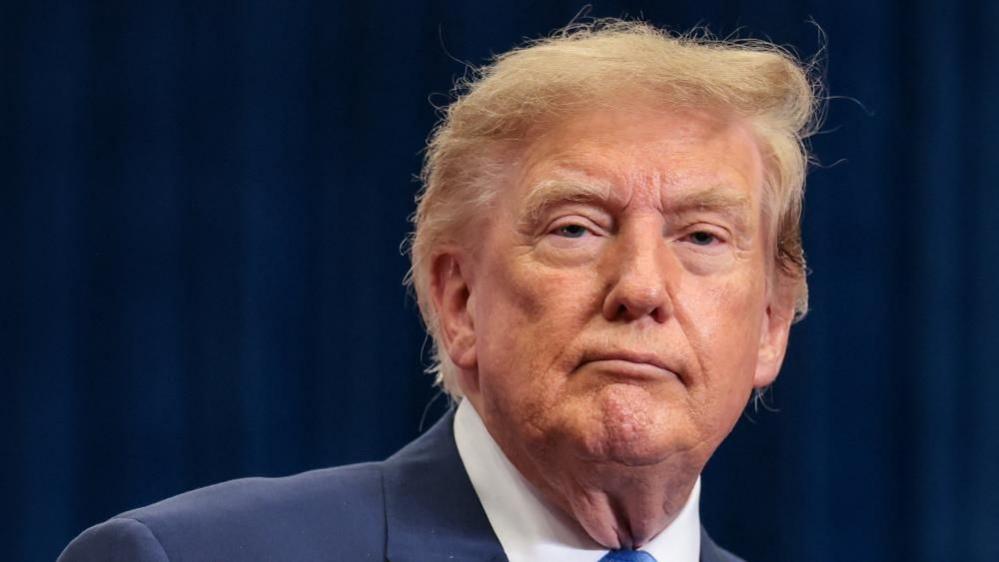
US President Donald Trump says his administration is considering asserting more power over artificial intelligence tools after recent cybersecurity incidents.
Asked about OpenAI’s tools and their recent failures to keep proprietary technology private, Trump said: "We're looking at AI, we're looking at controls, we're also making sure that we lead." This marks a change from the Trump administration, which has so far taken a more hands‑off approach to AI.
Trump noted that the emerging hacking capabilities of popular AI models and White House threats aimed at competing Chinese tech could push the U.S. toward stricter oversight.
While Trump emphasized the necessity of controls, he cautioned that over‑restriction could cause the U.S. to lag behind China, describing China’s AI regulatory approach as "freewheeling" compared to U.S. standards.
OpenAI’s chief executive Sam Altman quietly acknowledged that the company’s AI tools might have breached other companies’ systems; he said, "I mean, there could be, yeah." These incidents prompted the U.S. government to intervene when Anthropic, OpenAI’s main American rival, decided to release a model that was previously deemed too risky.
A White House memo from April accused China’s AI firms of industrial‑scale theft of U.S. AI technology, and Trump’s senior tech advisor recently reiterated accusations that China’s Moonshot AI had developed the Kimi 3 model by stealing information from Anthropic. The Chinese government has consistently rejected these claims, and U.S. Treasury Secretary Scott Bessent warned that Chinese AI firms could face sanctions. The Federal Communications Commission also banned the import of new foreign‑made humanoid robots.
Many open‑source AI models developed in China are freely available online, but U.S. major tech companies have publicly endorsed open‑source models, signalling a continued push for collaborative development.