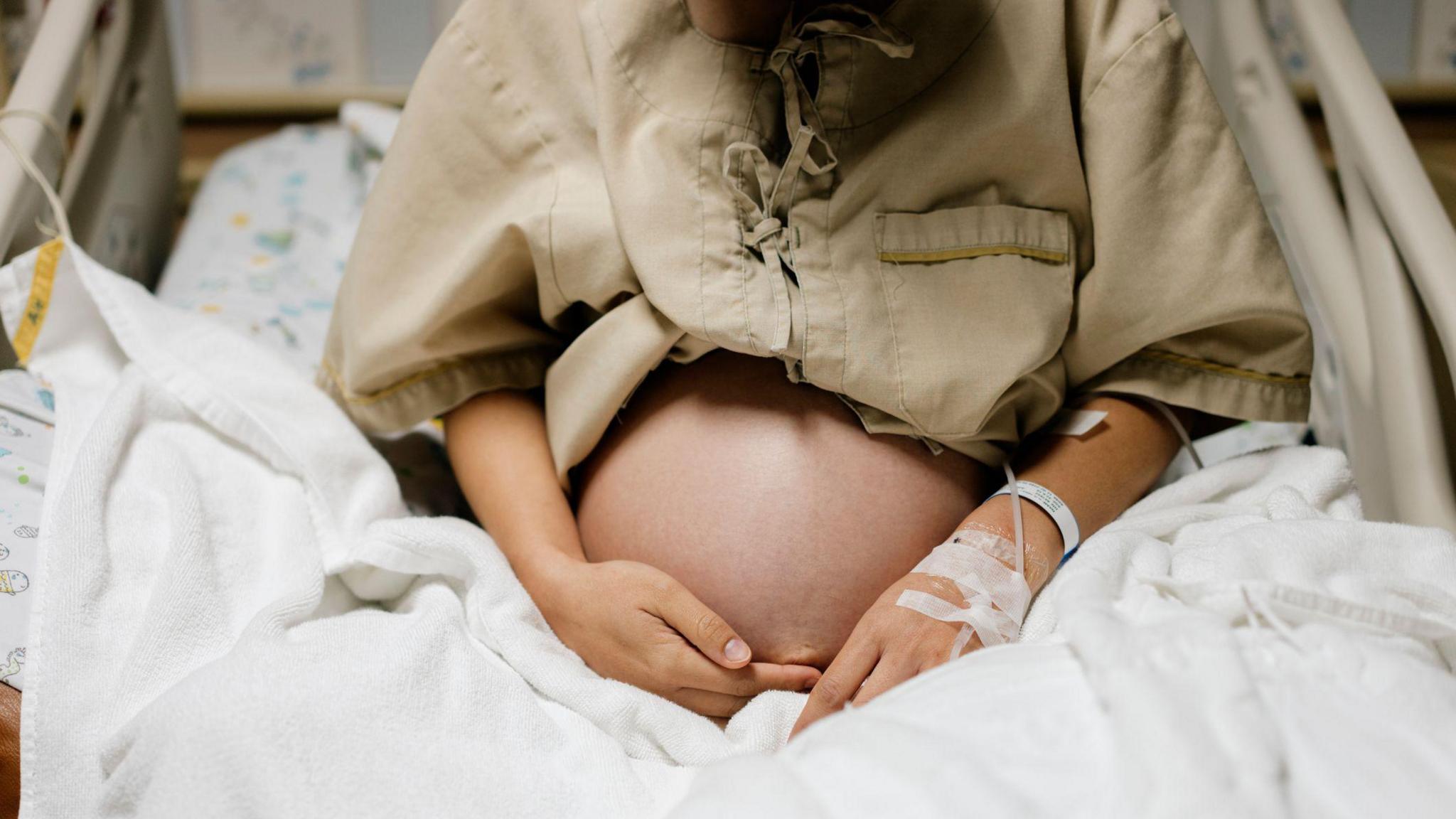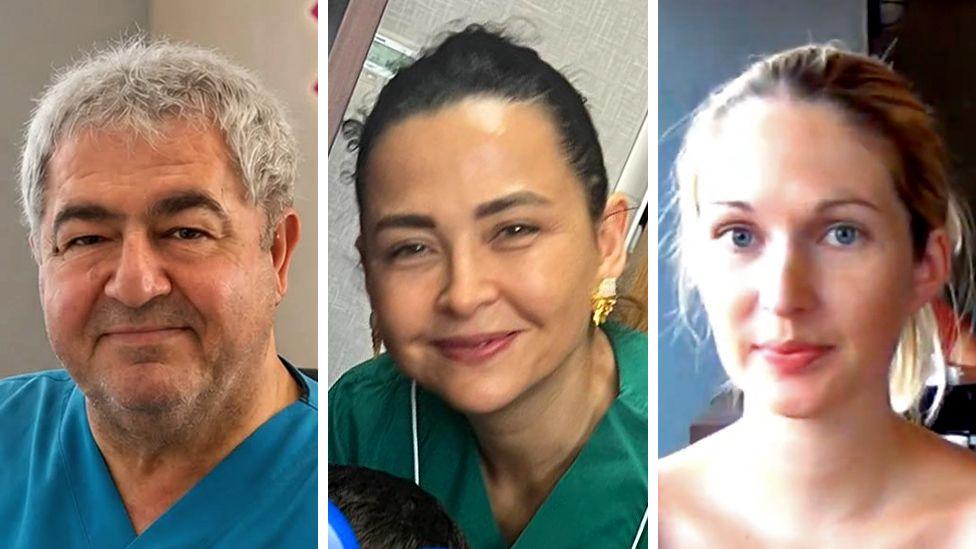
In recent weeks, a BBC investigation has revealed that at least 30 children – most born in Britain – may have been conceived in northern Cyprus using wrong sperm or egg donors. Families who chose anonymous donors online are now reporting that the embryos implanted during IVF procedures did not match the donor information they had verified with the clinic.
The allegations focus on Dogus IVF Centre, where a patient coordinator named Julie Hodson and two doctors were repeatedly involved with the cases. Roth, the director of the clinic, denies any wrongdoing, while another doctor, Dr Firdevs Uguz Tip, is said to have ordered sperm from the world’s largest sperm bank, Cryos, though the bank later blacklisted the clinic in 2016 for alleged breaches.
DNA analysis has provided a chilling confirmation: while parents expected their children to have Danish ancestry from their chosen donors, tests have instead uncovered Turkish and southern European genetic markers, suggesting the embryos were fertilised with foreign sperm or eggs.
Fertility experts point out that the accidental use of a wrong donor is extremely rare and that the pattern seen here indicates a systemic problem – possibly negligence or deception – that transcends one rogue doctor or clinic. The lack of transparency about donor selection in cross‑border clinics, which often promise low costs and high success rates, is called into question by these findings.
Authorities in the Turkish‑administered part of Cyprus have launched an investigation, but the clinic’s owner remains silent. The BBC’s call to action for those affected is to gather DNA evidence and contact the organization for support to pursue accountability. As the case unfolds, it raises urgent questions about the regulation of overseas fertility services and the rights of donor‑conceived individuals to know their true origins.