Israeli settlers have been besieging two Palestinian families in their homes in the occupied West Bank since Sunday. The families say supplies are running out and rights groups are urging the authorities to step in.
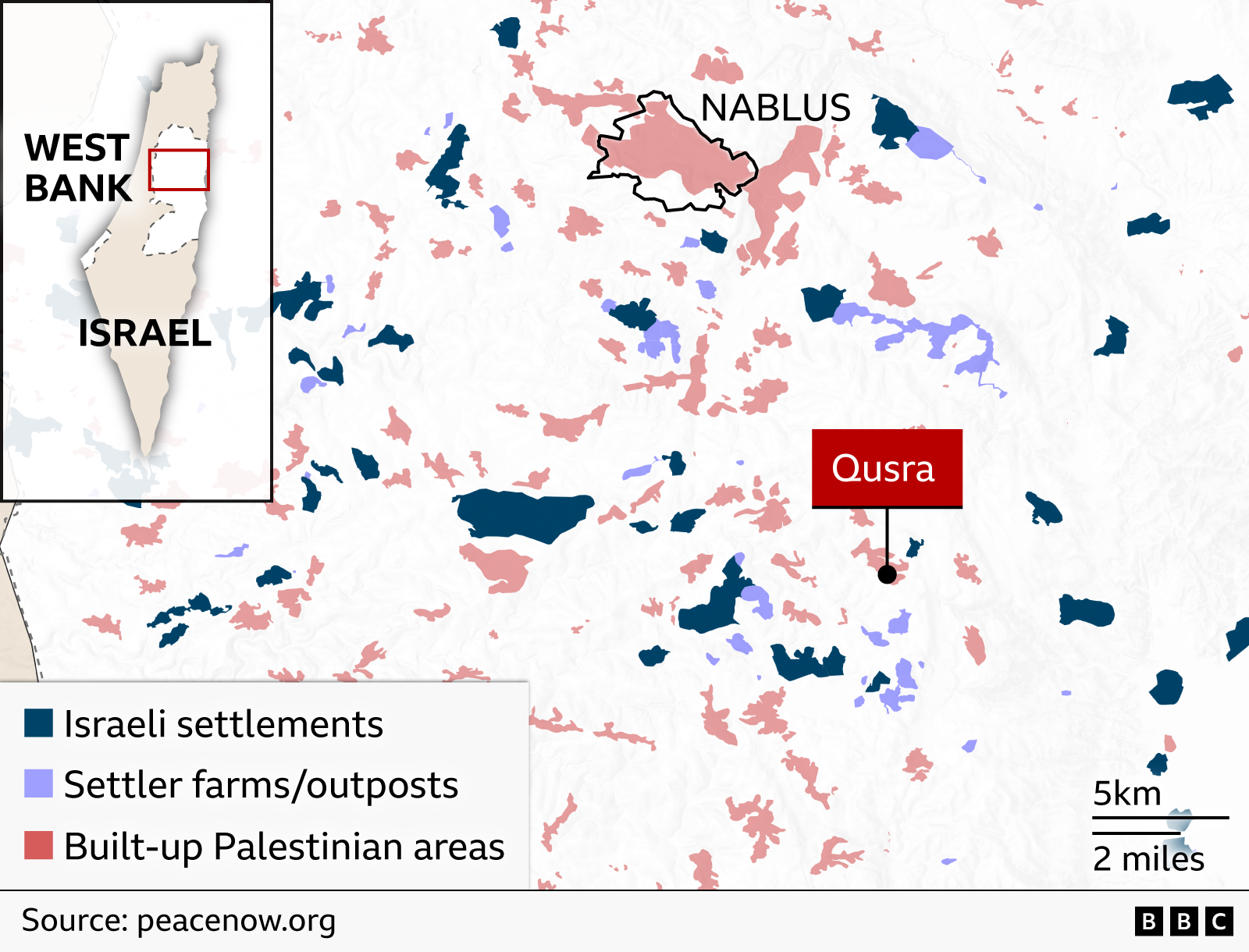
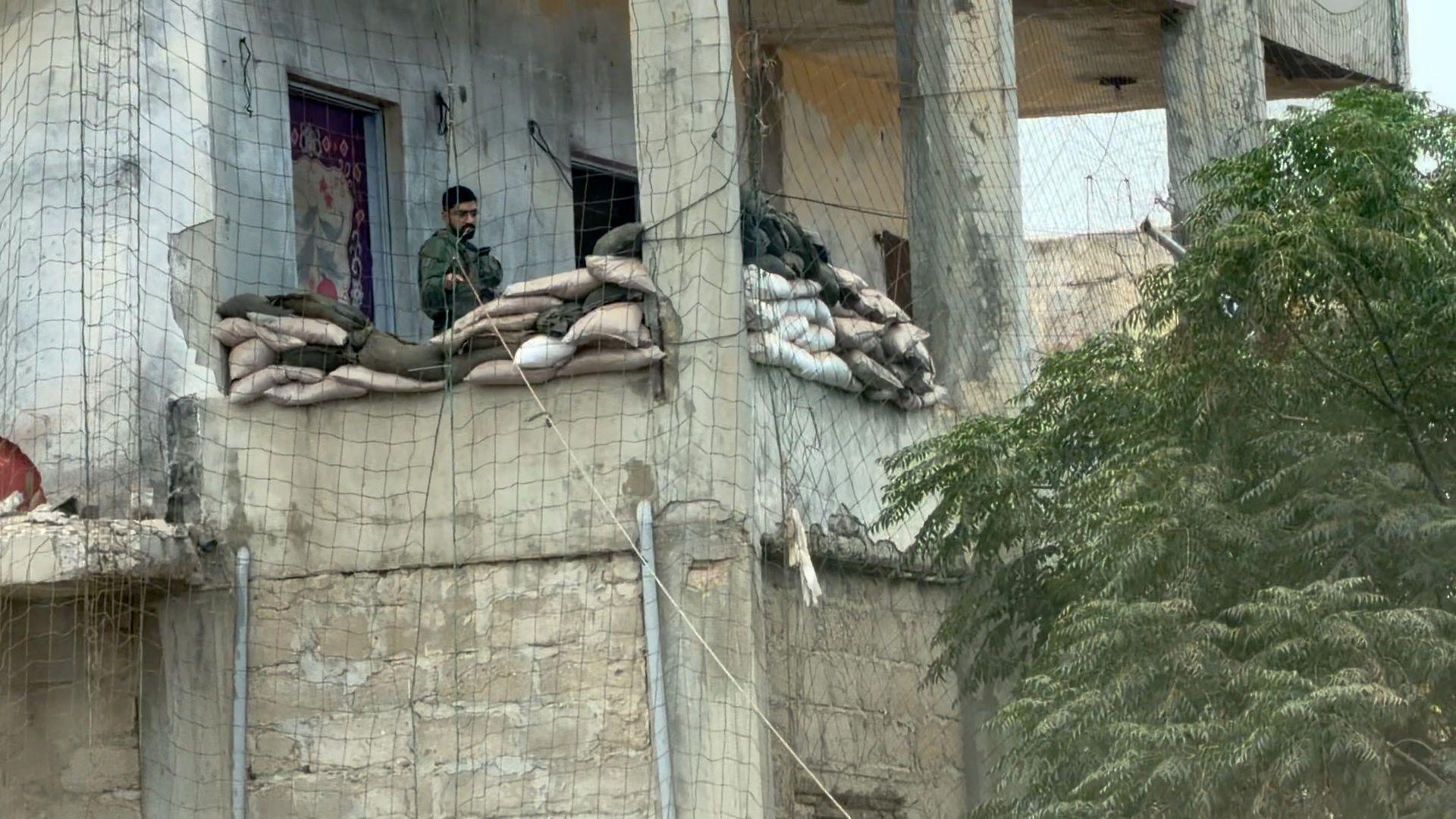
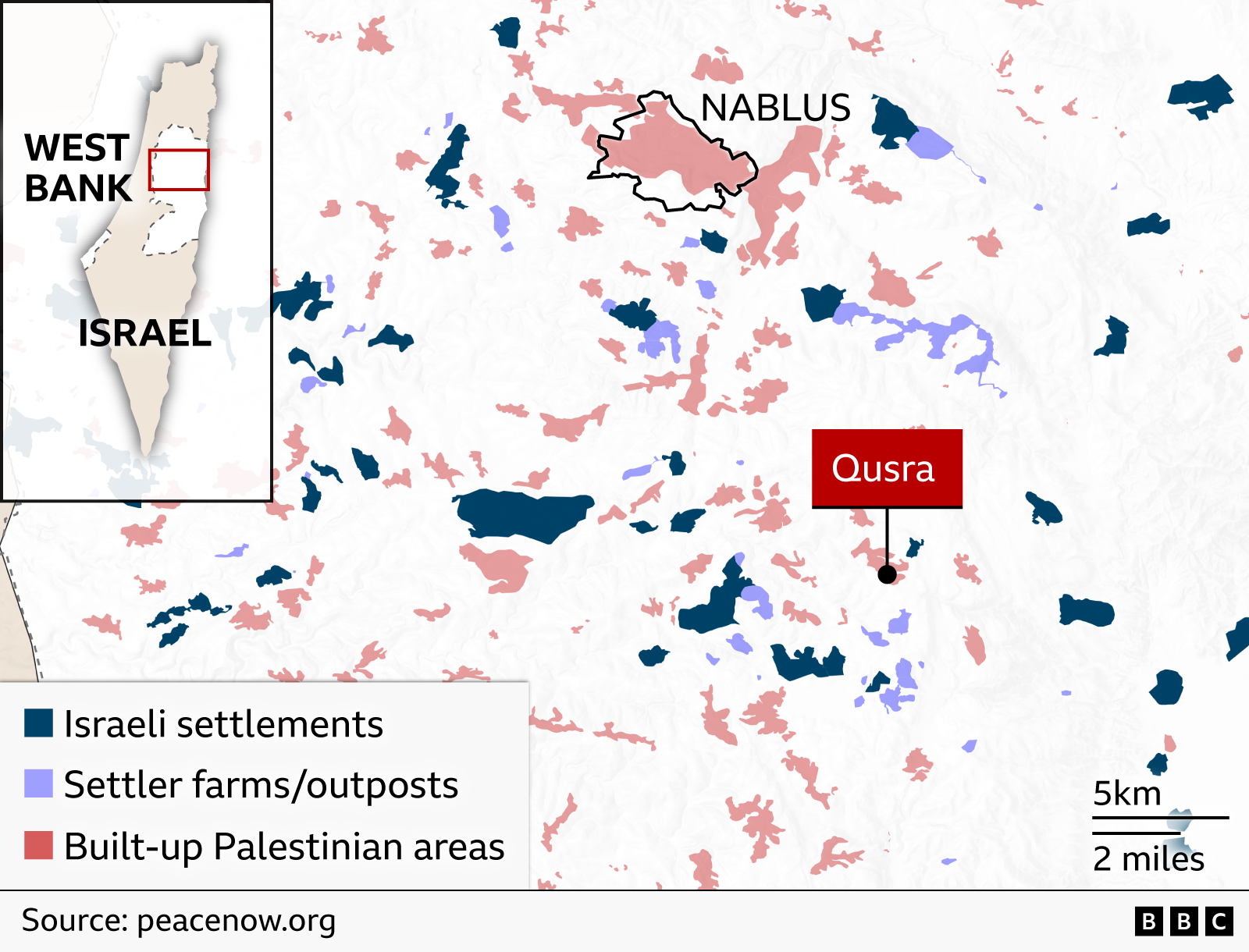
The settlement outpost in Qusra near Nablus, which was largely abandoned by Israeli security forces after clashes, still hosts about a dozen settlers. At the time of the first armed incidents, Israeli soldiers arrived and were filmed praying with the settlers, according to local footage.
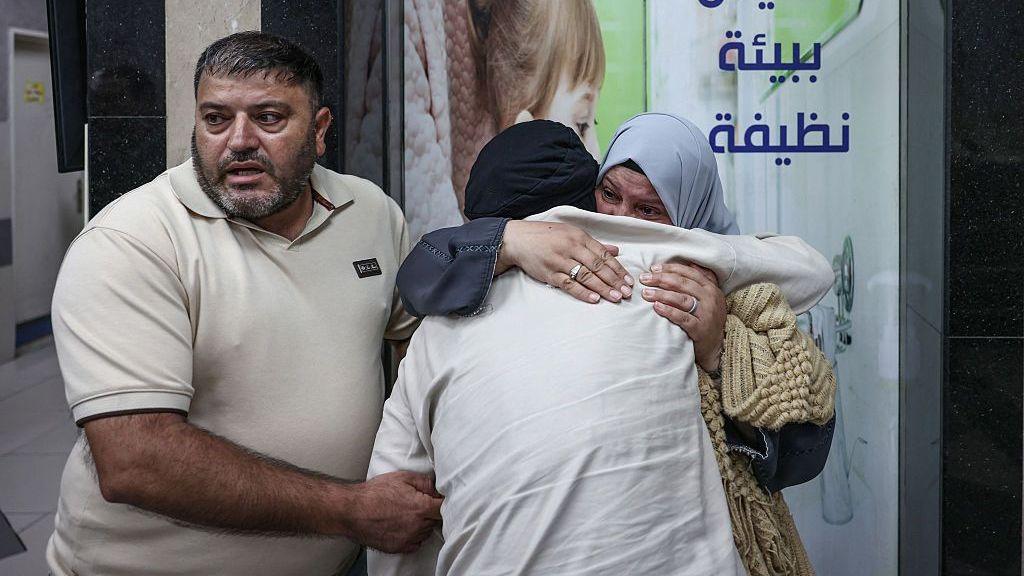
Abu Ridi and Hassan families have posted on social media asking for assistance after water and power supplies were cut off and food stocks have dwindled. They describe a path of isolation—they can only live on their own land hoping for safety and dignity.
The settlers’ motive remains ambiguous. Past incidents show that settlers sometimes force Palestinians out and seize their properties, with this event described by locals as an attempt to “empty the area of its Palestinian residents.”
Internationally, all settlements are deemed illegal; outposts are established without official Israeli permission. Palestinian security cameras captured settlers tearing down a wall outside the Abu Ridi house on Sunday evening, using the stones to block the road and preventing seven residents, including two girls, from leaving.
Qusra lies in Area B, under Palestinian administrative and Israeli security control. On Facebook, Abu Ridi highlighted the critical isolation, and the reporter Aysha Hassan told Reuters that the settlers had tried to break the house gate and threw stones, cursing the families.
The same day, Israeli settlers blocked Haaretz journalists from reaching the homes; soldiers refused to help them, citing the area as a closed military zone. The order was not reported to the settlers.
Human rights group Yesh Din urged Israeli Central Command for soldiers to protect the besieged residents, evacuate the settler outpost, and hold settlers accountable. Late Tuesday, a Palestinian ambulance finally reached the families, delivering food and taking a child for medical treatment.
Speaking to the UN, a top official remarked that “the West Bank is at breaking point.” The UN’s deputy special coordinator on the Middle East peace process confirmed escalating settler violence and cited the Nablus Governorate as hard‑hit, with 76 Palestinians killed in the West Bank this year by Israeli forces or settlers.
Israel’s ambassador to the UN dismissed settlements as a barrier to peace, stating that they would remain because Israel has biblical, historic and legal claims to the land.
In the days following, Israeli Defence Forces issued a statement condemning the establishment of the new outpost and called seizure of Palestinian homes "illegal, reprehensible, and unacceptable activity." Jewish officials involved, including Major‑General Avi Bluth, arrived early on Wednesday, meeting residents and voicing grave concern. The military used tear gas and stun grenades in confrontations with border police and a large crowd of settlers, as shown in security camera footage.
Other incidents in Qusra include a new mosque set on fire last month, graffiti in Hebrew sprayed nearby, and settlers occupying a Palestinian home in Jalud for over two weeks. The UN says 127 Palestinian communities in the West Bank have experienced displacement since January 2023, affecting more than 6,390 populations, and that 3,800 Palestinians have been displaced in 2026 due to settler violence, demolitions and evictions.