Child obesity surges in Italy’s south
In the suburbs of Naples, a 17‑year‑old boy named Salvatore struggles to walk after weighing 170 kg (32 stone). His mother admits he eats constantly and his scooter wheels have broken in a single week. Salvatore sits among a growing cohort of Italian children whose weights have climbed past the world record for child obesity.
In Campania, more than 40% of eight‑ and nine‑year‑olds are overweight, a figure that rivals the most extreme countries on the paste‑glazed map. That same region has earned the nickname of “the world’s child obesity capital” and is now the testing ground for national interventions.
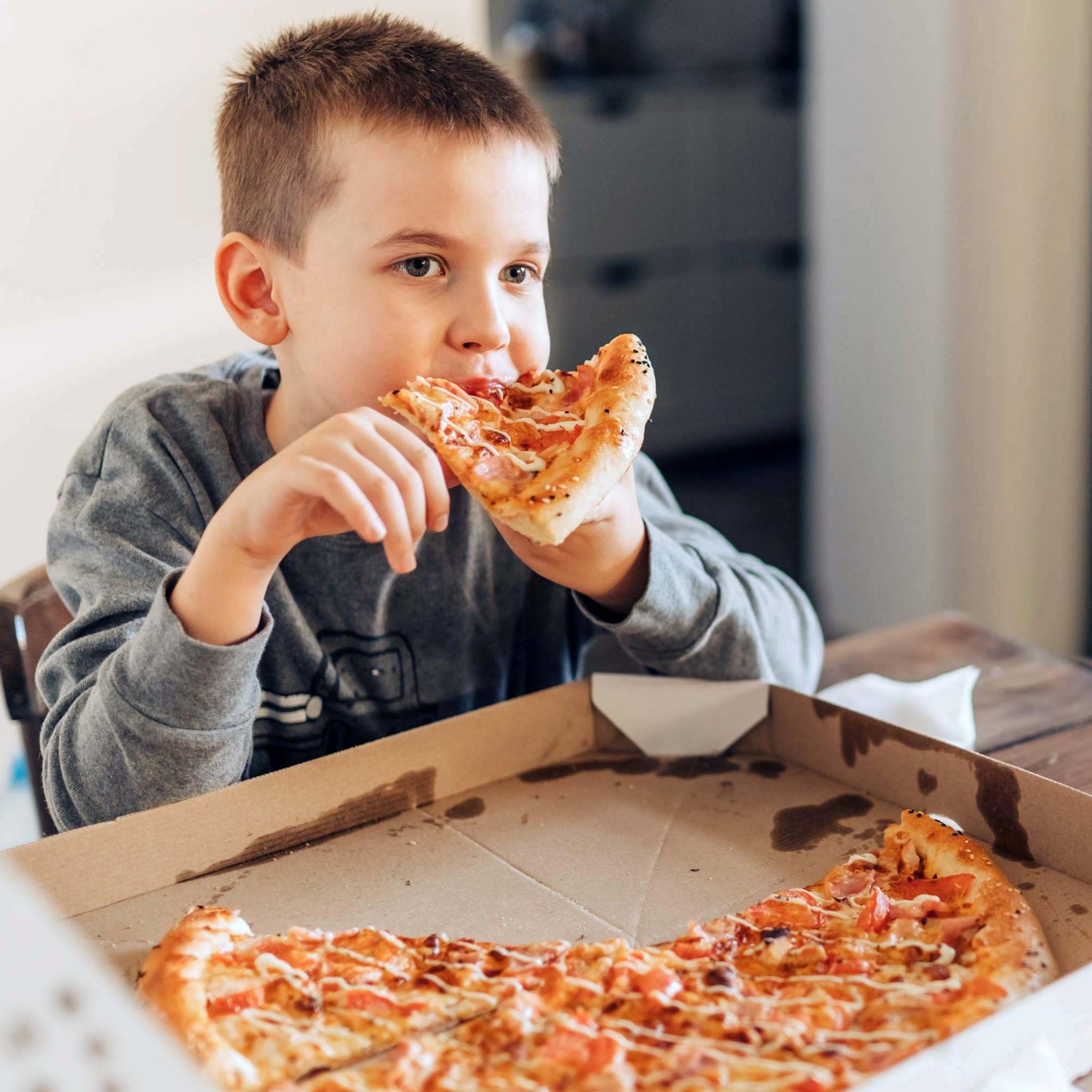
Surgeon Dr Sonja Chiappetta treats teens with severe obesity, removing up to 90% of the stomach in bariatric procedures to curb appetite. Yet Salvatore’s extreme weight cannot safely endure the operation now and he is being prescribed GLP‑1 injections instead.
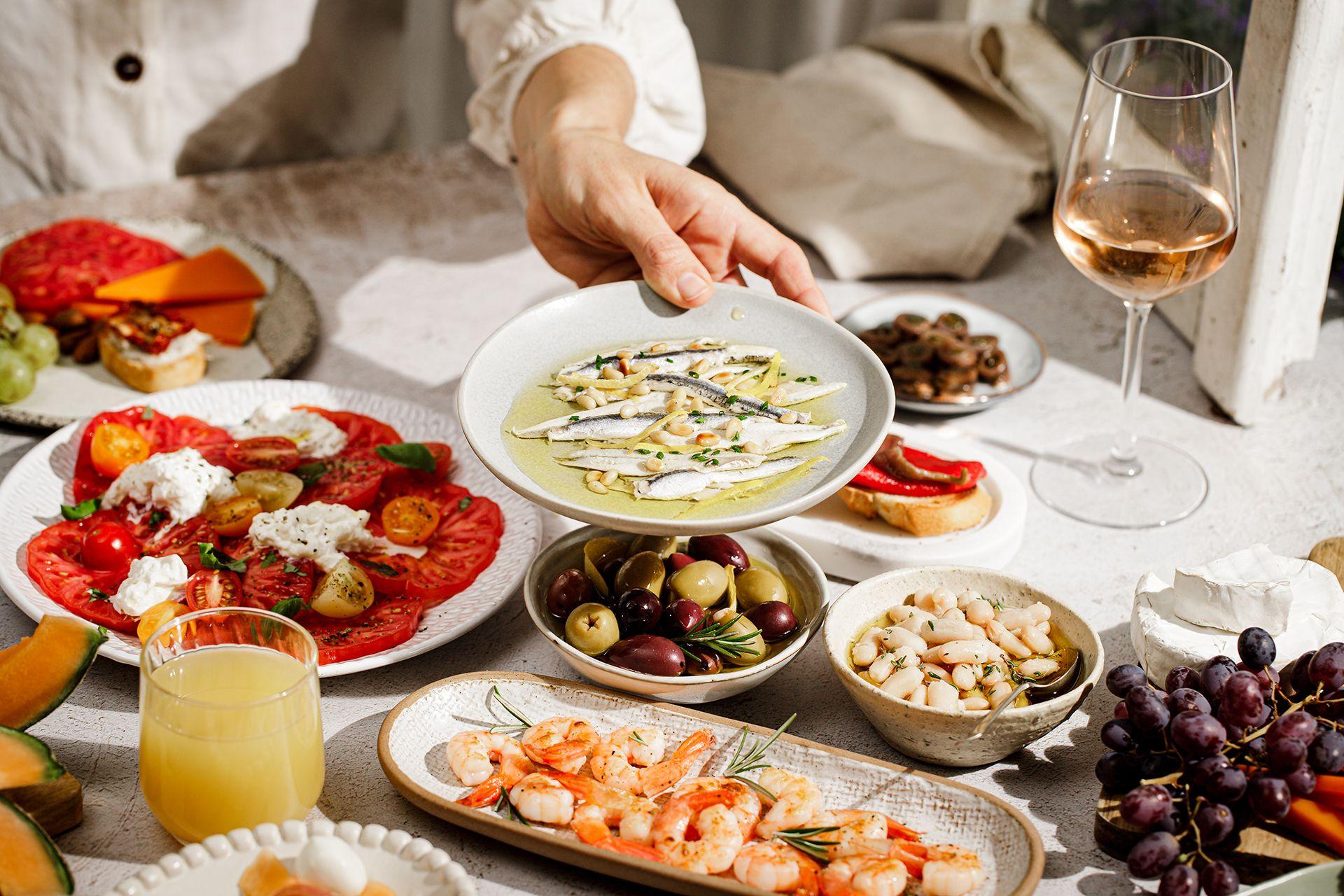
The heritage that once made Italy a bastion of health – the Mediterranean diet rich in olive oil, legumes, vegetables and fish – is dwindling. Only around 10% of Italians still follow the original pattern, according to Dr Valter Longo of the Longevity Institute. He terms the modern food environment “the five Ps”: pizza, pasta, potatoes, protein and bread.
Dr Roberto Berni Canani notes that in the pediatric clinic, boys weighing 25 kg by age three are a common sight, and parents often overlook the weight issue because it coincides with other conditions such as cough or stomach pain.
School programmes are beginning to step in, with nutrition workshops covering over 17,000 students across 25 schools and the hope of teaching families to adopt healthier meals. One school’s cramped gym highlights the difficulty of active lessons.
Politically, Italy’s 2025 law recognises obesity as a chronic, progressive disease affected by biology, environment and social factors. Policies now aim at structural changes, including a controversial fast‑mimicking diet trial that restricts adolescents to 1,100 calories for one day and 770 calories on the next four, hoping to re‑balance metabolism. Paediatricians caution that such vigorous restriction could trigger eating disorders.
As an example of personal struggle, 10‑year‑old Francesca is 60 kg yet her parents never view her weight as a concern. Her diet consists largely of Nutella, chocolate cakes and pasta, with little vegetable intake. She remains active in gymnastics and Latin dance, illustrating the complex interplay between diet, activity and social perception.
Over the past decade, Italy has become one of the most overweight countries in Europe, with children’s obesity quadrupling since 1990. The next years will tell whether national law, healthcare interventions and school‑based education can reverse the trend and restore Italy’s long‑liked concept of a Mediterranean diet.
Additional reporting by Bob Howard.