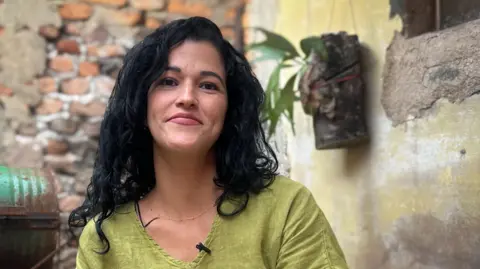
WASHINGTON (AP) — One of the first things an Argentine emigre did after her son was born in Florida last year was get him a U.S. passport. She viewed the passport as undeniable proof that he is an American. However, she, along with many others like her, are embroiled in a significant legal encounter concerning President Donald Trump’s executive order that would negate U.S. citizenship for children born in the U.S. to parents without legal status.
“It’s funny because I actually booked him for his passport application appointment even before he was born,” she said, reflecting on her anxiety amidst the legal turmoil surrounding the potential changes to birthright citizenship.
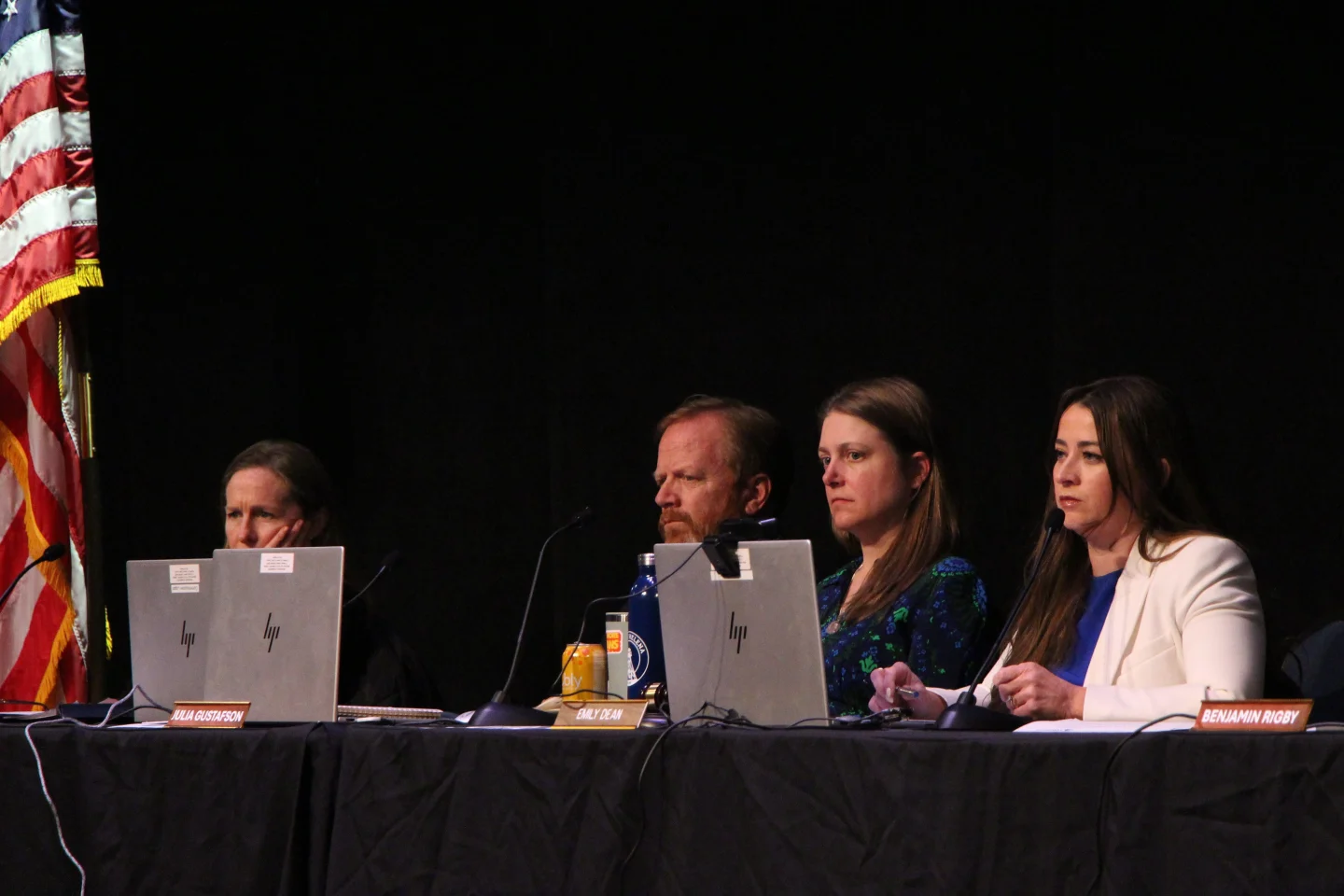
The Supreme Court is currently evaluating this contentious issue, focusing on whether Trump's 2025 order is consistent with the 14th Amendment, which has historically guaranteed citizenship to anyone born on U.S. soil, barring children of foreign diplomats and invading armies. Previous courts have deemed Trump's order illegal, leaving it unimplemented.
The legal debate extends beyond these immediate implications, encompassing the core essence of American identity and values. Trump's administration has framed the policy as a necessary enforcement of immigration laws, claiming that undocumented individuals are not “subject to the jurisdiction” of the United States, thus making their U.S.-born children ineligible for citizenship.
Solicitor General D. John Sauer, representing the Trump's administration, argues that the courts should recognize and affirm revised interpretations of longstanding constitutional concepts. He suggested this case could parallel historic rulings, such as Brown v. Board of Education, which symbolized profound shifts in legal understandings.
The order has the potential to impact over a quarter of a million babies born annually in the U.S. Many legal analysts and advocates for immigrant rights adamantly oppose the administration's stance, calling it a misguided distortion of constitutional principles.
“We have the president of the United States trying to radically reinterpret the definition of American citizenship,” Cecillia Wang, legal director at the ACLU, stated, highlighting the gravity of the situation for numerous families.
The Argentine mother noted that her decision to come to the U.S. has not wavered despite the political climate, emphasizing that her family is her top priority. “It gave me the most beautiful thing I have today, which is my family,” she said, underscoring the human element underlying this legal battle.
As the Supreme Court prepares to deliberate, the outcome of this case remains uncertain but could redefine the contours of citizenship in America for generations to come.