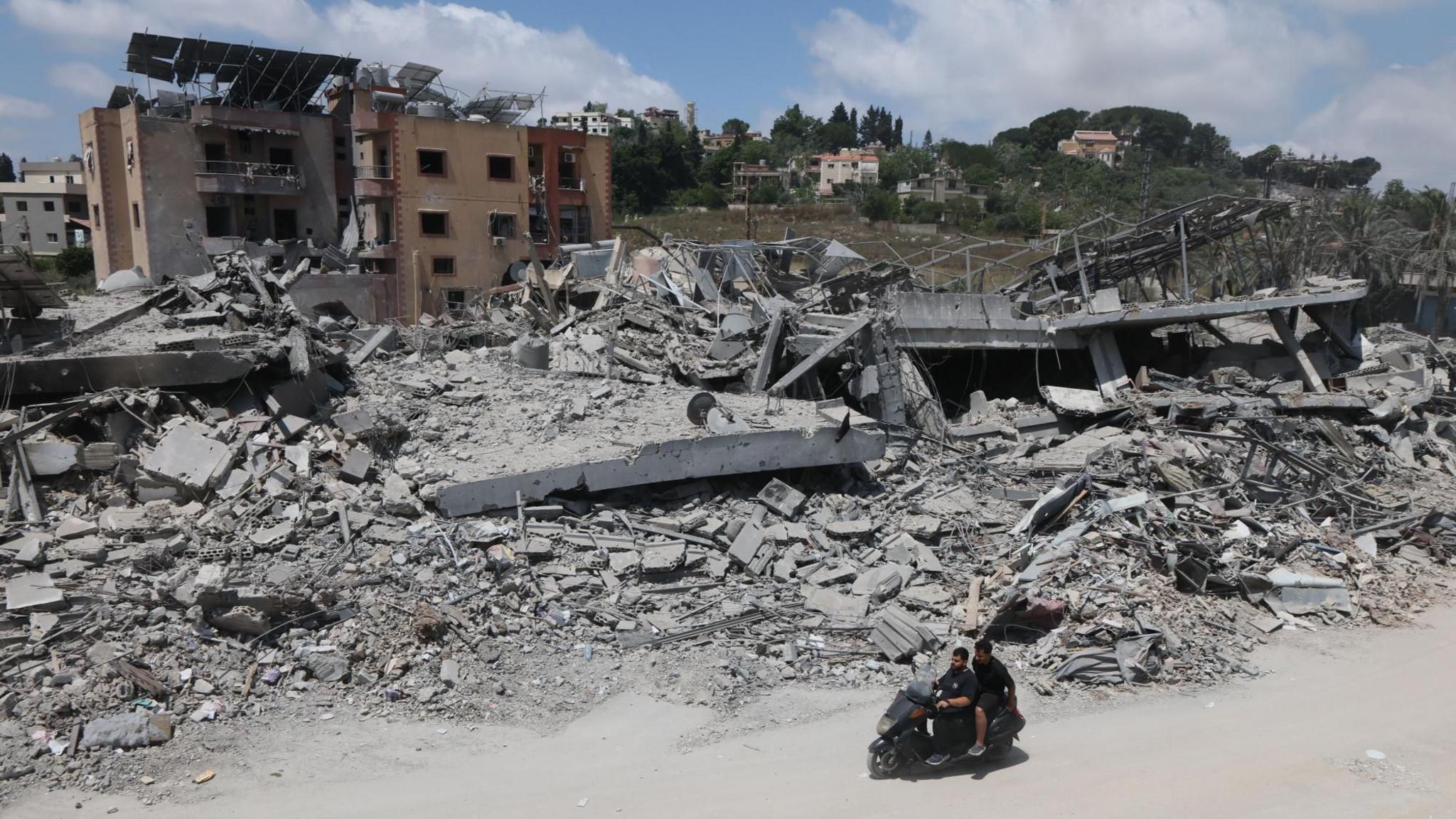
As celebrations erupted following the abrupt ousting of President Bashar al-Assad, a long-standing figure in Syrian politics, many found themselves pondering the implications of this dramatic shift. Historically, Syria functioned as a crucial part of Iran's "Shia crescent," serving as a linchpin for Iranian support of Hezbollah and a strategic area for Russia's military operations. The rapid change in leadership has left experts and officials in Washington reevaluating U.S. foreign policy as they contemplate who might fill the power vacuum now left by Assad.
American intelligence was reportedly caught off-guard by the speed of Assad’s downfall, which occurred after more than fifty years of governance. Just days prior, there were expectations that Assad would manage to maintain a hold on power, possibly using chemical weapons as he had in prior conflicts, yet by Sunday morning, the landscape had shifted dramatically.
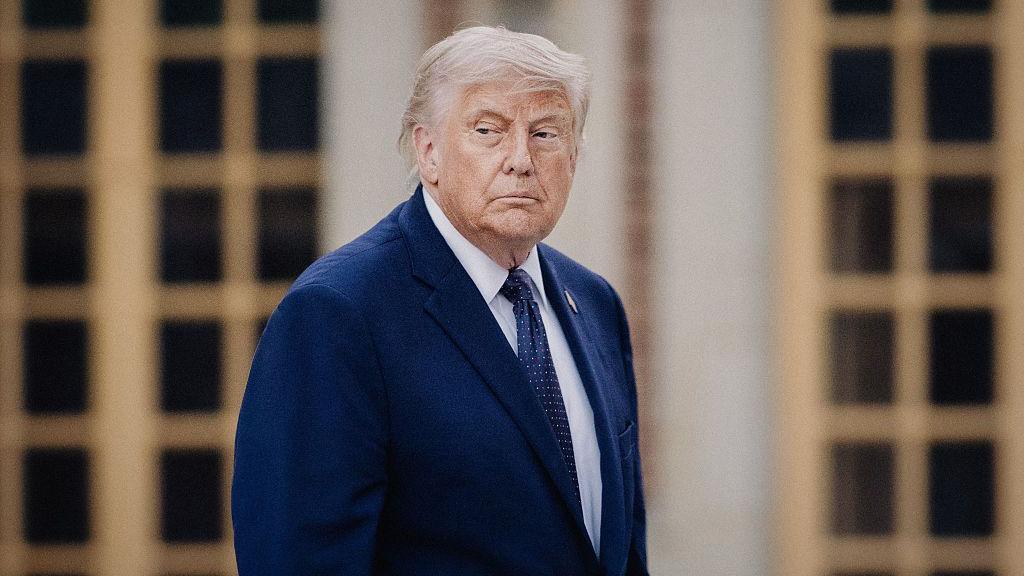
With the upcoming inauguration of Donald J. Trump fast approaching, the U.S. must now face pressing uncertainties. Questions arise about whether rebel forces will seek to expel Iranian and Russian influence or whether pragmatic decisions will lead them towards negotiating with these powers.
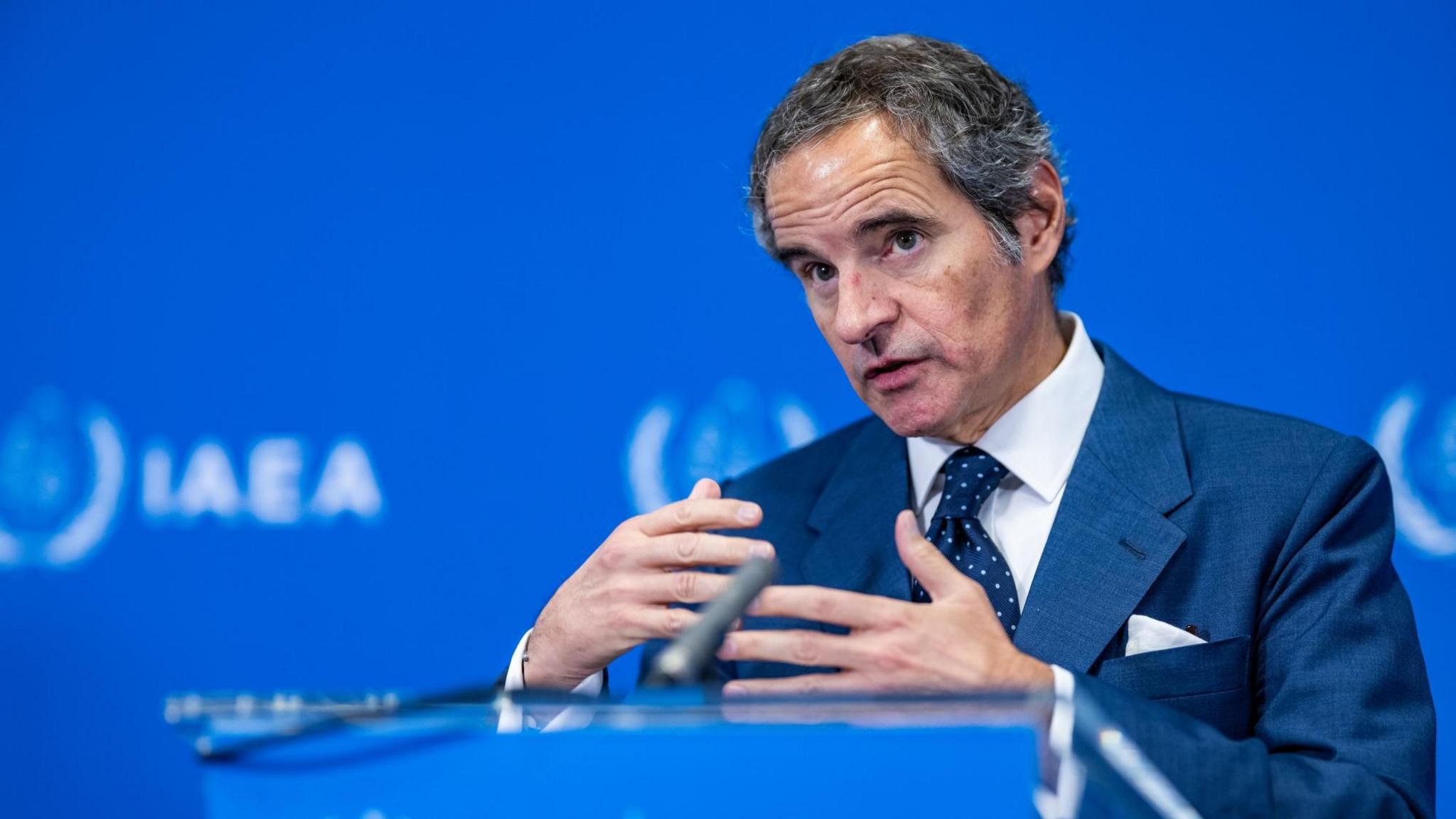
This regime change may also spark broader regional implications. Iran, significantly weakened without Assad’s alignment, faces critical choices regarding its future strategies, particularly concerning its nuclear program and relations with neighboring states. The potential loss of influence in Syria could prompt Iran to reconsider its military and diplomatic posture in the region.
As the geopolitical chessboard shifts, the resulting power struggle in the wake of Assad's collapse is not only poised to redefine Syria's local dynamics but could profoundly affect international relations in the Middle East as different factions vie for dominance and establish new alliances in the tumultuous landscape.
In conclusion, while the fall of a long-standing dictatorship like Assad's may be celebrated by many, it brings a set of new risks and uncertainties that will require careful navigation by regional and global powers in the foreseeable future.
American intelligence was reportedly caught off-guard by the speed of Assad’s downfall, which occurred after more than fifty years of governance. Just days prior, there were expectations that Assad would manage to maintain a hold on power, possibly using chemical weapons as he had in prior conflicts, yet by Sunday morning, the landscape had shifted dramatically.
With the upcoming inauguration of Donald J. Trump fast approaching, the U.S. must now face pressing uncertainties. Questions arise about whether rebel forces will seek to expel Iranian and Russian influence or whether pragmatic decisions will lead them towards negotiating with these powers.
This regime change may also spark broader regional implications. Iran, significantly weakened without Assad’s alignment, faces critical choices regarding its future strategies, particularly concerning its nuclear program and relations with neighboring states. The potential loss of influence in Syria could prompt Iran to reconsider its military and diplomatic posture in the region.
As the geopolitical chessboard shifts, the resulting power struggle in the wake of Assad's collapse is not only poised to redefine Syria's local dynamics but could profoundly affect international relations in the Middle East as different factions vie for dominance and establish new alliances in the tumultuous landscape.
In conclusion, while the fall of a long-standing dictatorship like Assad's may be celebrated by many, it brings a set of new risks and uncertainties that will require careful navigation by regional and global powers in the foreseeable future.