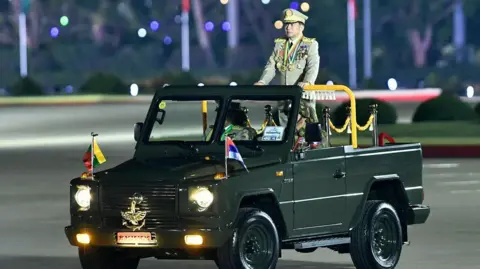
Just seven days after he made the fateful decision to launch his coup against the elected government of Aung San Suu Kyi on 1 February 2021, General Min Aung Hlaing made a promise; to hold elections, and return to civilian rule, within a year.
It has taken him five years to fulfil that promise.
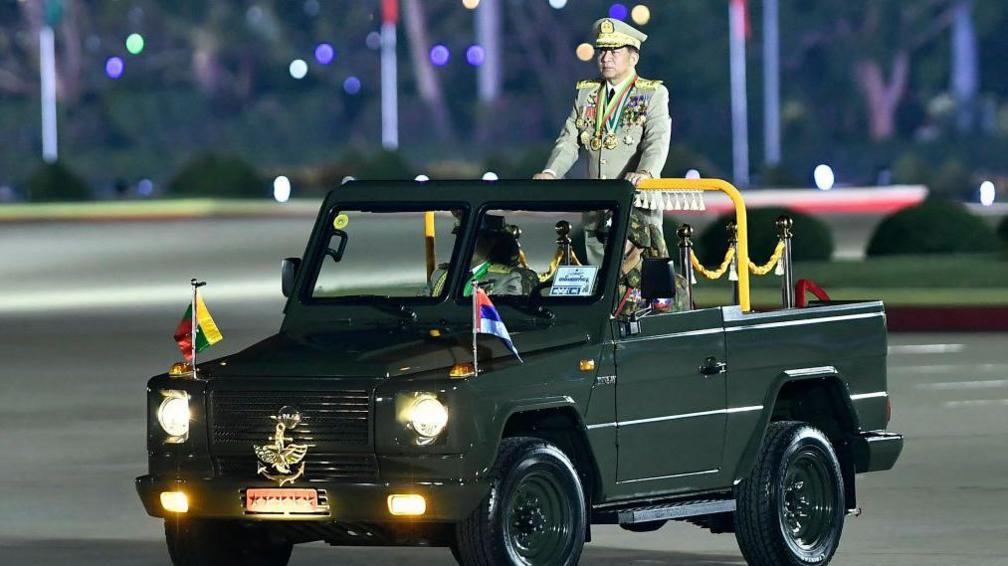
Today, the newly-elected parliament chose him to be the next president. Min Aung Hlaing has already stepped down as armed forces commander, as required by the constitution before he can take the post of president.
But this is civilian rule in name only.
The parliament, sitting for the first time since the coup, is filled with his loyalists. With the armed forces guaranteed one quarter of the seats, and the military's own party, the USDP, winning nearly 80% of the remaining seats in an election which was tilted heavily in its favour, this was a preordained outcome. More of a coronation, than an election.
Military men are also likely to dominate the new government when it is formed. Min Aung Hlaing has ensured that a staunch ally, General Ye Win Oo, a hardliner with a reputation for brutality, replaces him at the head of the armed forces.
He has also created a new consultative council, which will exercise paramount authority over civilian and military affairs. He is ensuring that in taking off his uniform, he does not dilute his power.
For young activists like Kyaw Win – not his real name – all hope of change has gone. As a student he was arrested for taking part in a flash mob protest against the coup in 2022, and tortured for a week, before being jailed. He was only recently released.
They beat me on my back with an iron rod. They burned me with cigarettes, and slashed my thigh with a knife. Then they stripped my underwear and sexually assaulted me. They interrogated me, but it was never clear what they wanted me to say.
Kyaw Win says his commitment to the revolution, as the activists call it, is unchanged, but he feels unable to do much now from inside Myanmar. He is planning to seek work outside the country.
The five years since Min Aung Hlaing's coup have been a catastrophe for Myanmar. He appears to have massively miscalculated the public anger he would provoke by seizing power just as the parliament was about to confirm another term of office for Aung San Suu Kyi and her National League for Democracy, following their landslide win in the November 2020 election.
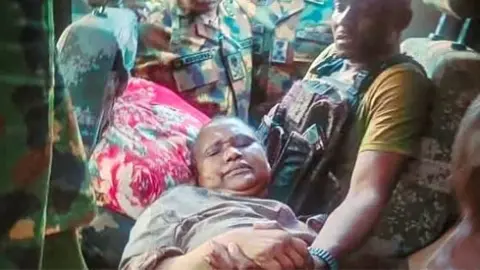
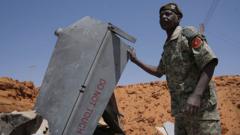
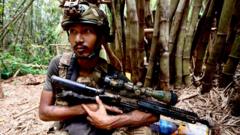
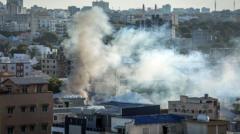
His decision to use lethal force against the mass protests which broke out across the country ignited a civil war which has killed thousands, displaced millions and ruined the economy. The military regime has ceded control of huge areas of the country to the armed resistance, unleashing air power on opposition-controlled villages.
So, as he presided for the last time over the spectacular parade the Myanmar armed forces hold every year in capital Nay Pyi Taw, we listened carefully for any hint in his speech of reflection or regret over the damage his coup has caused. There was none. Instead, we were treated to justifications for military intervention.
The conflict in Myanmar will remain largely unchanged, with resistance groups still controlling numerous towns. The new commander-in-chief is a loyalist, expected to continue aggressive campaigns against opposition.
The National Unity Government, representing the administration overthrown by the coup remains steadfast, insisting that military presence in the political sphere is untenable.
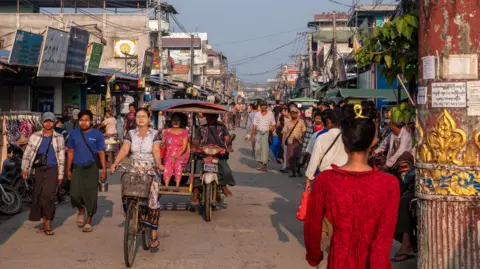
Amidst all this turmoil, the economy remains in dire straits. The UN estimates that over 16 million people require life-saving assistance, with 4 million displaced, and escalating inflation collapsing living standards. The country also faces severe fuel shortages due to conflicts affecting its oil imports.
As Myanmar grapples with its military-led government, questions linger about potential paths to peace and stability, heavily dependent on the ruling elite's willingness to engage in dialogue with opposition forces.