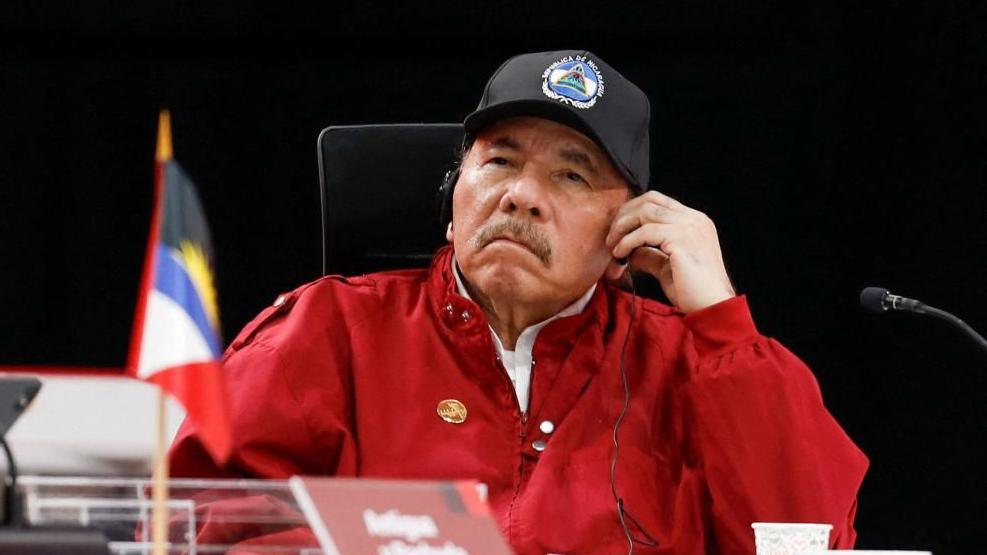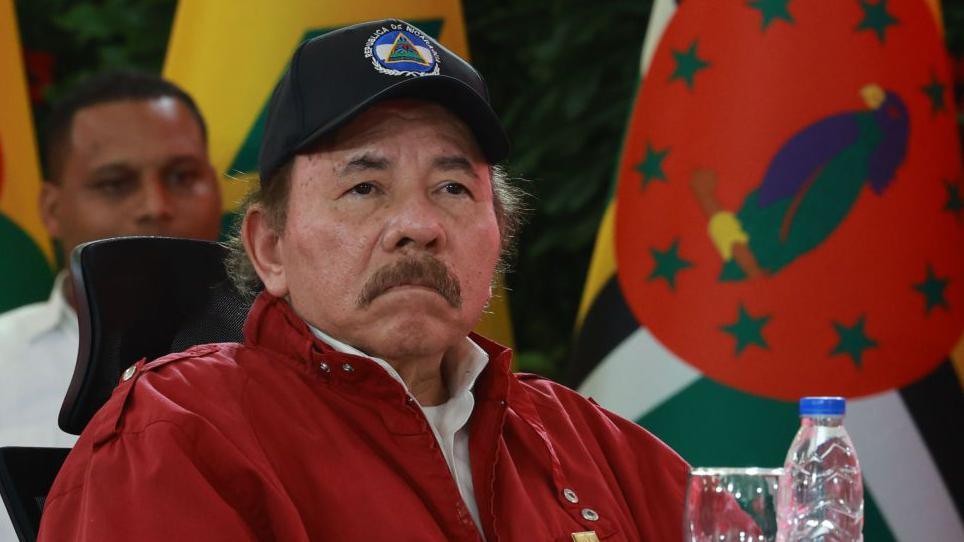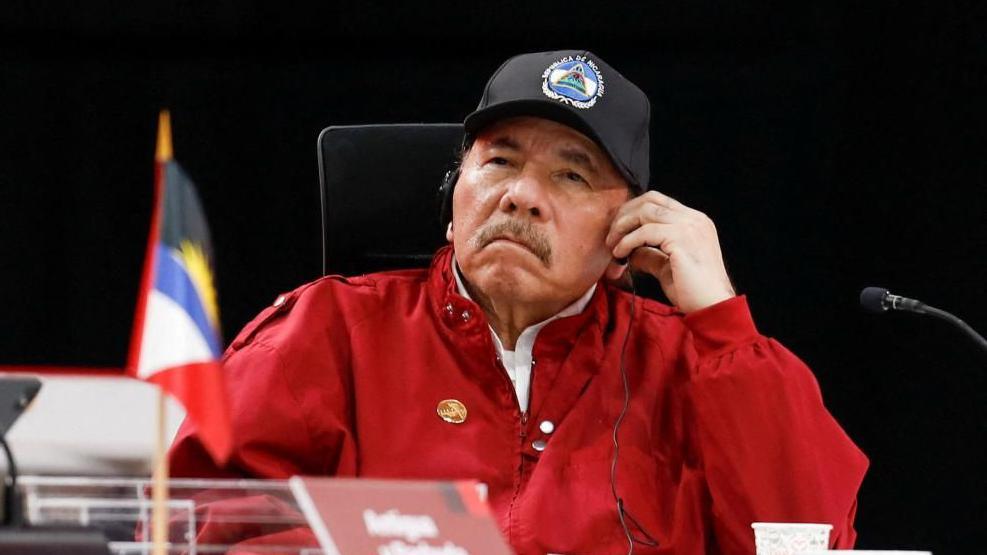
The National Assembly in Nicaragua, dominated by government loyalists, will vote early August on a proposal that would bar opposition parties from participating in the country’s next election.
The push comes after President Daniel Ortega made remarks on the anniversary of the 1979 Sandinista revolution in which he declared that those who stand against the ruling party would no longer be able to seize power. He said laws would be passed to build a wall against what he described as “coup mongers” funded by the United States.
International bodies have reacted strongly. The United Nations Human Rights chief said that all citizens, regardless of viewpoint, must be allowed to vote and run for office. U.S. Secretary of State Marco Rubio added that Ortega and his wife, who holds a co‑president role, have abandoned any pretense of popular consent.
The proposed legislation is part of a wider plan that has been in the works for years. Since 2007, Ortega has tightened his hold on the country, extending presidential terms, annexing his wife and setting a legal pathway for her to take over in case he becomes permanently absent. Critics say this creates a de facto one‑party state.
History shows that Ortega’s regime has relied on a combination of arrests, exile, and citizenship stripping to silence dissent. After the 2021 elections, opposition leaders were detained and only low‑profile candidates were permitted to stand.
Opposition figures in exile have condemned the new proposal, calling it evidence that Nicaragua is moving toward a single‑party system similar to those in China, North Korea, and Cuba. They argue that the move sustains an environment where the desire for change remains alive but is effectively neutralised by state power.
The debate will be watched closely by regional partners and human‑rights observers. Should the bill pass, it would cement the ruling party’s control over the country’s political future and signal a further erosion of democratic safeguards in Central America.