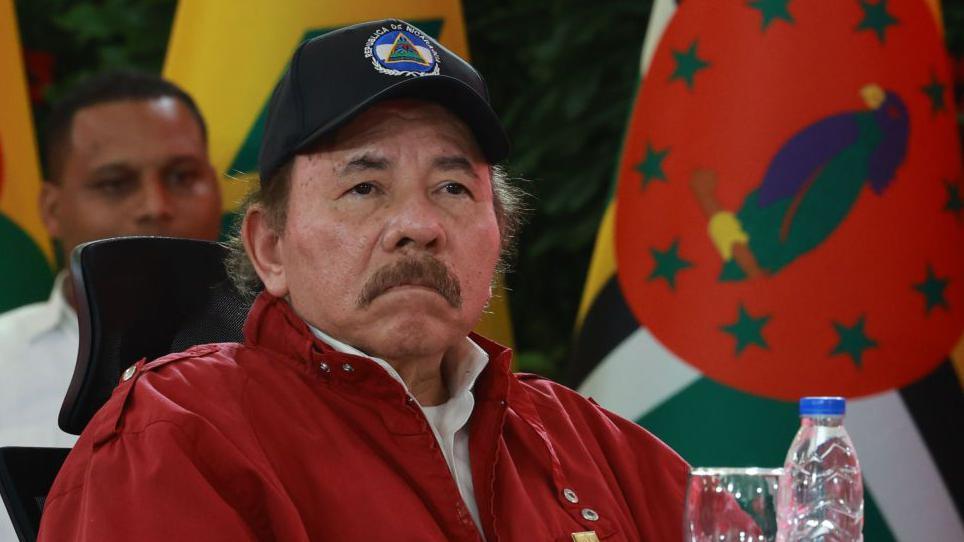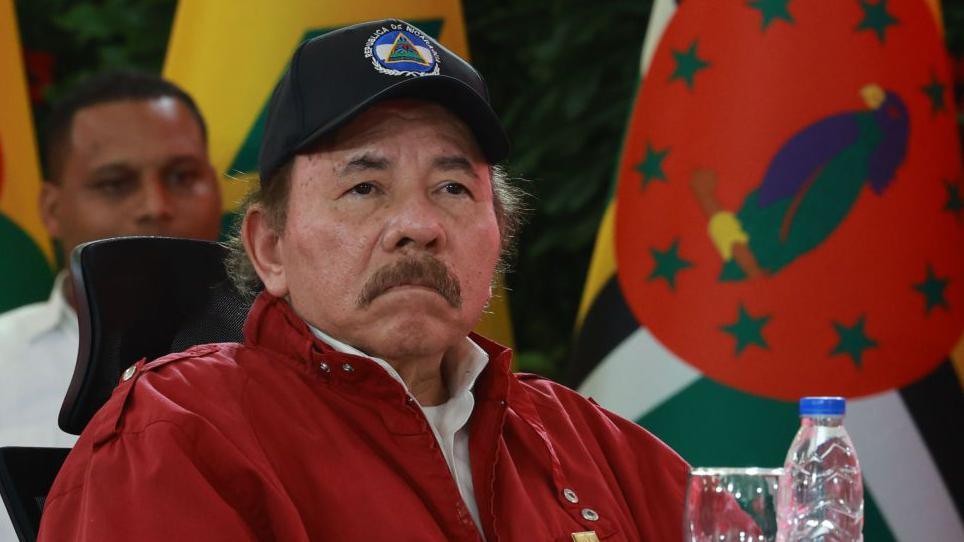
Nicaragua's president Daniel Ortega announced that the National Assembly will extend his presidential term by an additional year, adding to a series of constitutional changes that have tightened his grip on power.
The proposal follows a 2024 amendment that extended the term from five to six years and the 2014 repeal of presidential term limits. In conjunction with the additional year, lawmakers plan to remove opposition figures labelled as "traitors" or "coup plotters" from future elections.
Background of the Reform
Since 2007, Ortega has been at the helm of Nicaragua, a tenure that has increasingly become authoritarian. Political opponents have been jailed, exiled, de‑citizenised, and their homes confiscated and sold, according to United Nations reports. The most recent presidential elections in November 2021 were tainted by a hostile crackdown that left only fringe candidates able to run.
Potential Impact
Extending the term would solidify Ortega’s ability to remain in office while simultaneously marginalising opposition voices. The new constitutional package places the National Assembly in a decisive role over the country’s power structure, setting a precedent for further consolidation of control.
Officials expect the national legislature to vote on the amendment in September. If passed, the extended term would mark the 20th year of Ortega's rule.