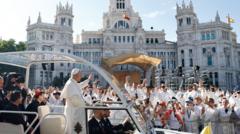
Pope Leo XIV made his first stop in the Spanish archipelago on Thursday, the Vatican’s chief pastor seeking to bring a more crisis‑free perspective to the often‑proclaimed migration issue that has spooked Europe for years.
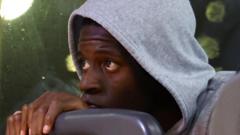
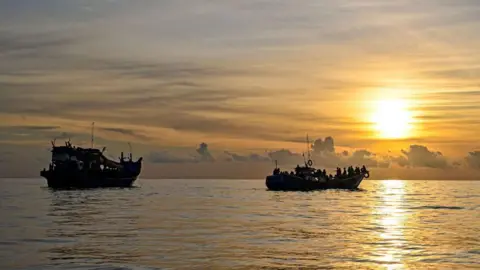
His message, as the pope walked the coastline of Gran Canaria, came through the story of Bakary Jaiju – a 19‑year‑old Gambian who left his wife and child behind, braving a wooden boat with 160 fellow migrants for seven ‑day “unthinkable” trip through the Atlantic. “I could not sleep because I feared falling,” he said, reflecting on the risk that has cost many lives.
UNHCR data show a noticeable fall in sea‑arrivals to Spain this year, partially due to European Union‑backed patrols off West Africa. Yet the numbers underscore a stark persistence: migrant boats still sink and many die, echoing the pope’s warnings about the “dangerous” unregulated routes.
Pope Leo’s visit signals an effort to shift discourse – he calls for “safe and legal pathways” to Europe and urges a respectful welcome for those arriving by smugglers’ vessels, rather than a blanket “migration crisis” label and “ideological invasion” narrative.
The Spanish government’s policy reversal – allowing anyone who arrived before the end of last year to apply for residence and work permits – offers a practical solution. Local charity Padre Pepe’s Good Samaritan Foundation actively helps migrants find work, citing a shortage of skilled labour in tourism and construction.
While the ruling Socialist Party frames regularisation as pragmatic and humanitarian, opposition parties – Spain’s Popular Party and far‑right Vox – have branded the move as “irresponsible” and a potential “invasion” that could cripple health, housing and security.
At the same time, an EU pact is being rolled out to impose stricter border controls, aiming to expedite detainment and deportation of those arriving by sea. For migrants like Jaiju, who have already risked everything, the new policy offers limited deterrence but raises human‑rights concerns.
In the Canary Islands, officials echo the pope’s call for a realistic migration policy, highlighting local shortages of skilled workers and the need for safe pathways that prevent plummeting oil‑rich opportunities.
Pope Leo’s visit, therefore, serves both as a moral compass and a counterweight to European hardline measures, proposing an equilibrium where migration could be managed safely, humanely, and with mutual benefit.