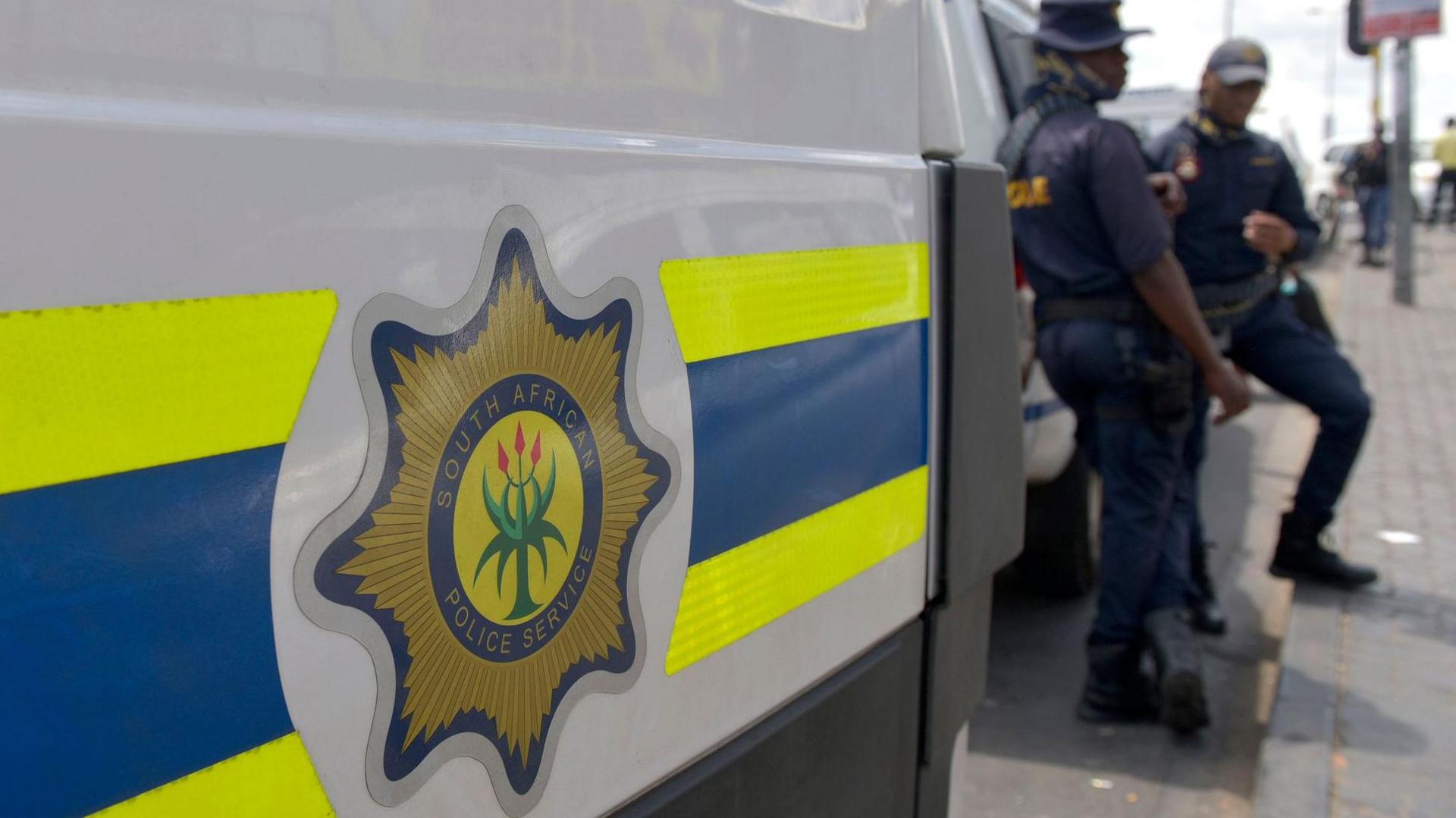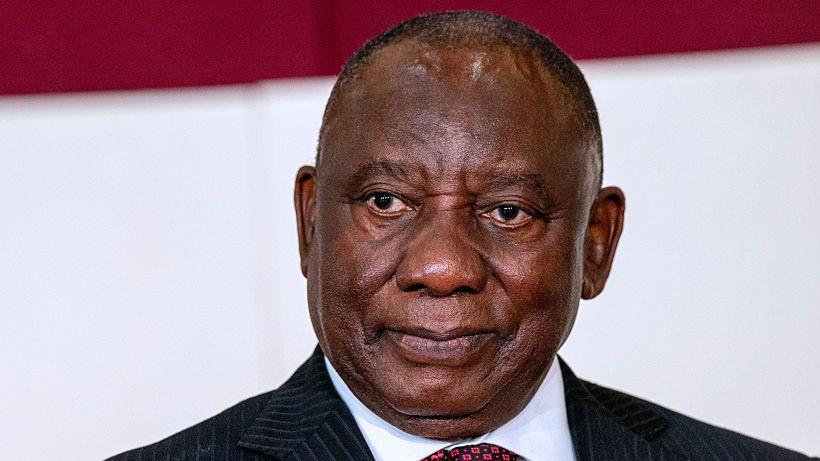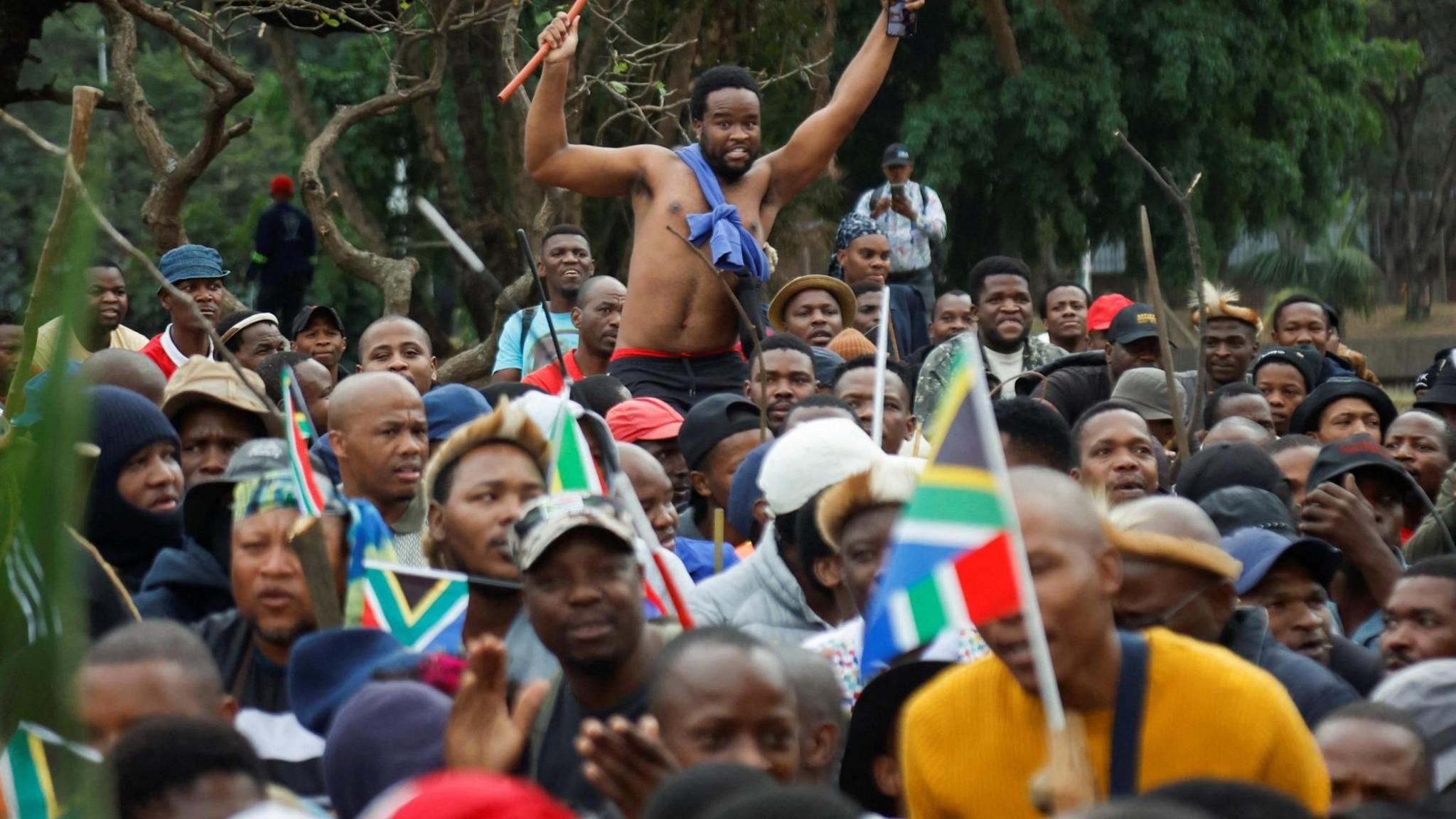
Police have been massed across South Africa following a surge in anti‑immigration protests that could turn violent, after President Cyril Ramaphosa called on demonstrators to avoid intimidation and threats.
The protests represent an informal deadline for all undocumented foreigners to leave the country. Thousands of migrants have already fled in fear of violence and intimidation. Authorities say 25,000 people have been repatriated to date, the majority coming from other African nations.
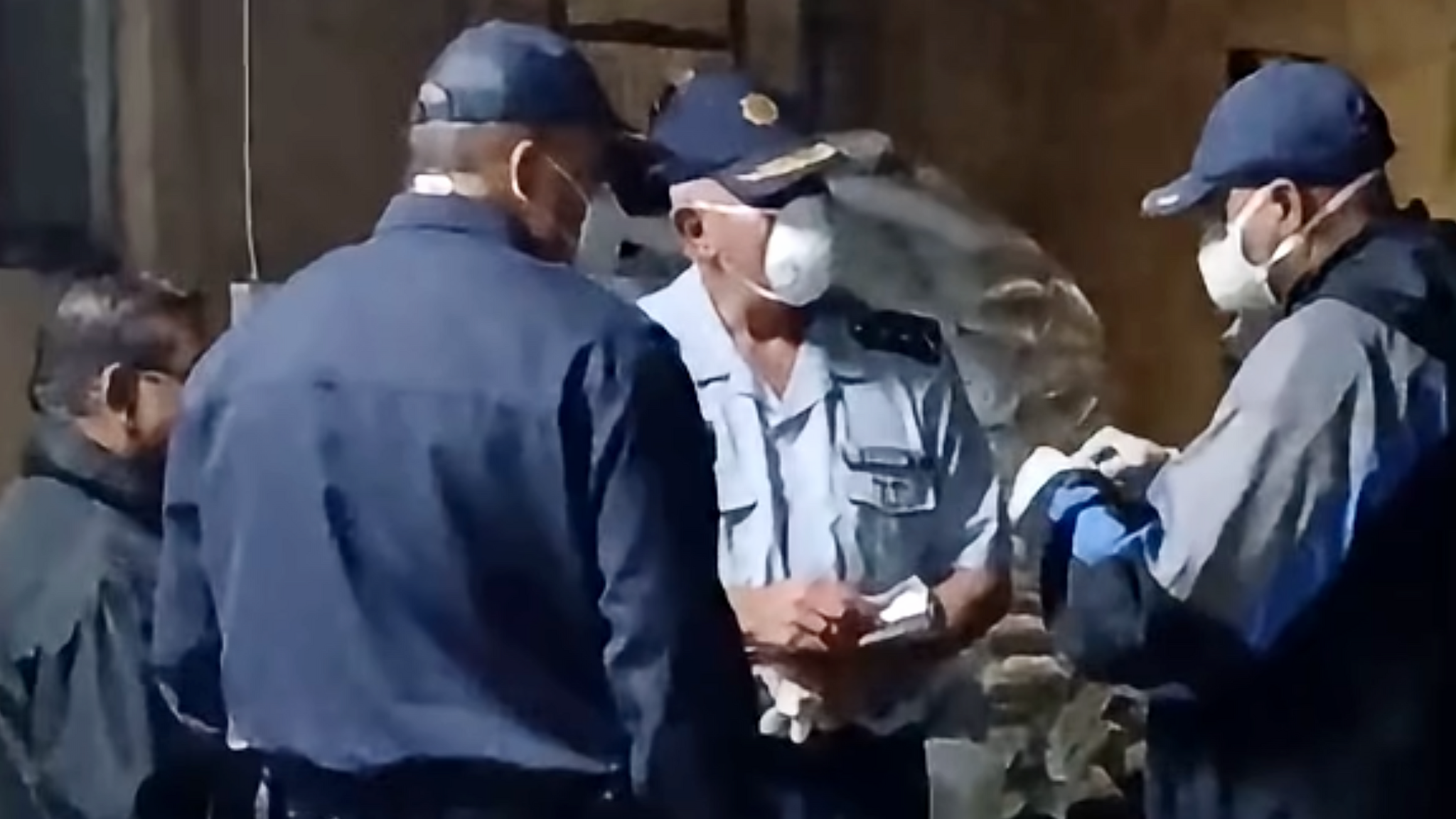
In Johannesburg, one of the protest centres, shops on the city centre are closed and police patrol major streets. Police said five people were arrested in Soweto for allegedly looting a foreign‑owned shop, and another five were detained after breaking into a tuck shop in Hammarsdale.
The capital’s leaders met protest organisers just before the marches to defuse tensions. Ramaphosa has repeatedly urged peaceful protest while acknowledging the need for immigration reform, reminding citizens via his weekly newsletter that lawfully residing foreigners contribute positively to the economy and are protected by the Constitution.
According to officials, over 50,000 migrants have been arrested since January for being in the country illegally. While over three million documented foreign nationals live in South Africa, many more are believed to be undocumented, a major point of contention for the protesters.
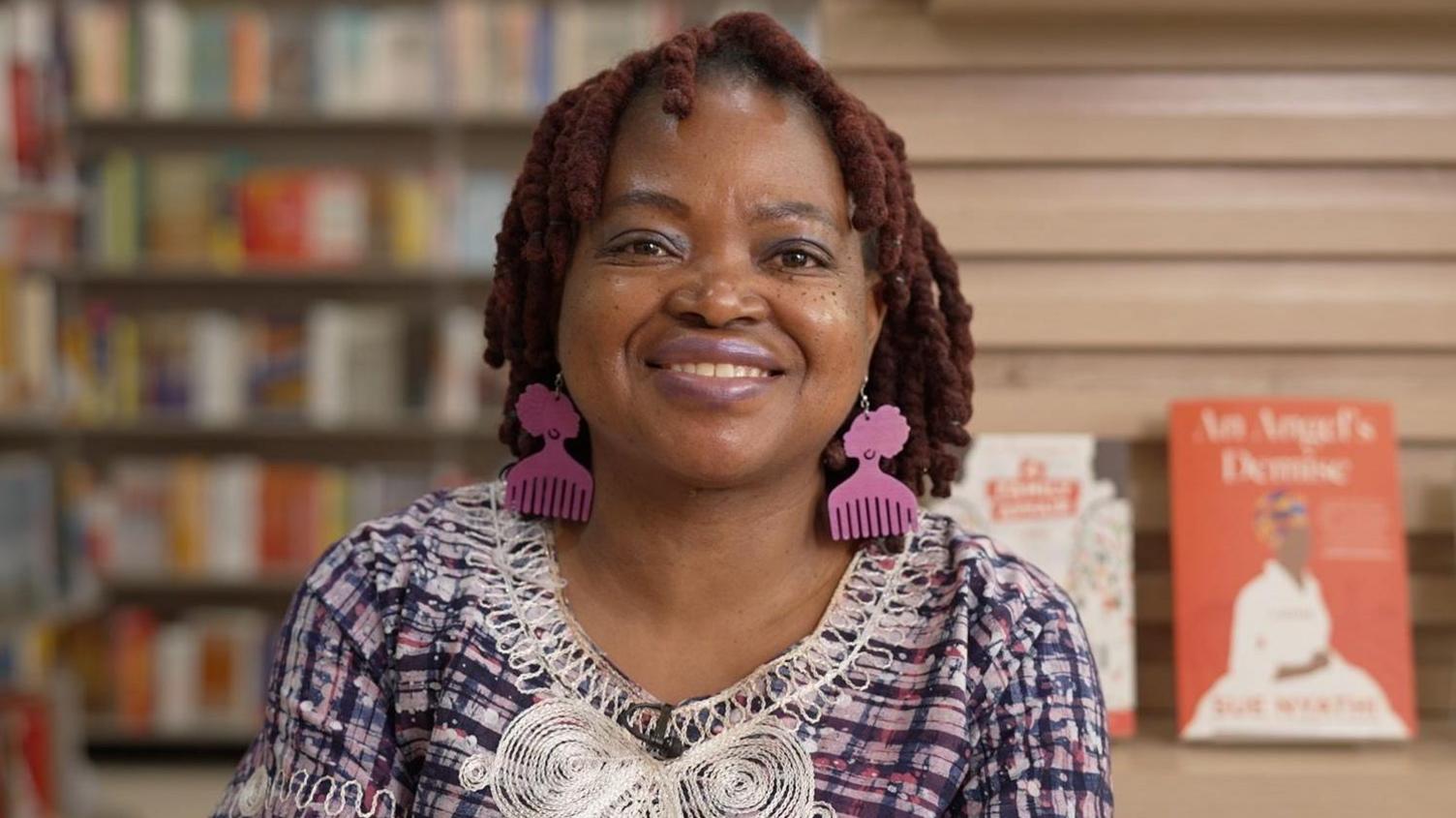
A resident of Soweto indicated that protesters simply wanted foreigners to comply with South African laws. Amid heavy police presence, she believed the march would not turn violent.
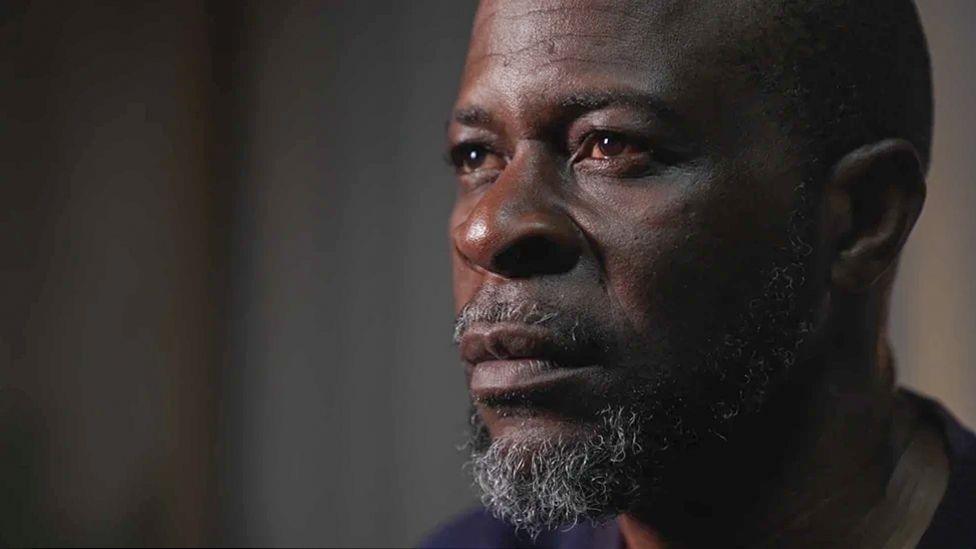
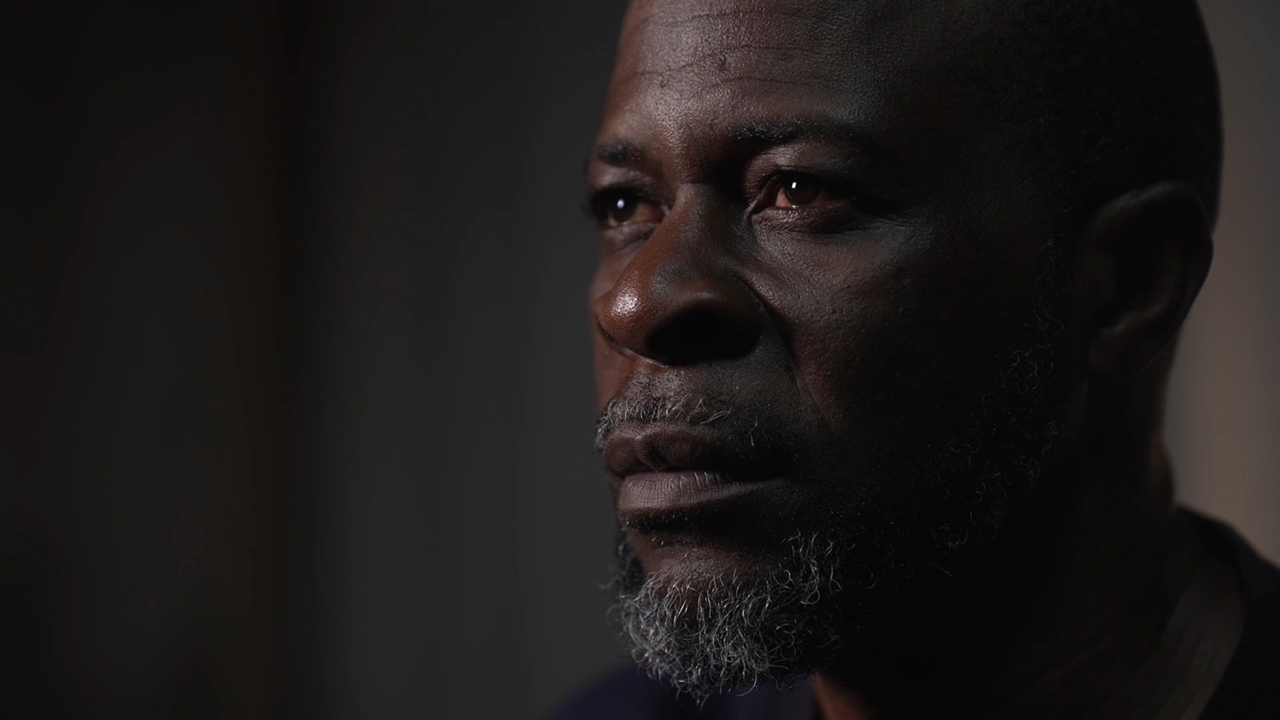
In Durban, migrant tent camps are being dismantled as authorities rush to clear transit camps. Women in bright sarongs wait in line for buses that will take them back to Malawi. A Malawian man who came for work tells the BBC that he faces a difficult decision with the prospect of leaving him and his four children.
Despite the tensions, some migrant voices call for unity across Africa and urge South Africans to recognise that the continent is one community.
Policing authorities have authorised marches in Durban, Johannesburg and other cities, warning organisers that violence must be avoided. Traditional weapons such as shields, whips and sticks appear at marches, but only one machete was seized at a Durban rally. The government reports that 12,000 migrants have been deported or repatriated since the protests began, with several dozen countries organising repatriation flights and buses in recent weeks.
Xenophobia has long plagued South Africa, sometimes escalating to violence. According to a xenophobic violence tracker, two people were killed this year, and 60 died during a 2008 wave of riots against non‑South Africans. The current protests continue to highlight the fragile balance between embracing diversity and managing immigration within the country.