The Battle for Narrative Control: Understanding the Afghan-Pakistan Conflict
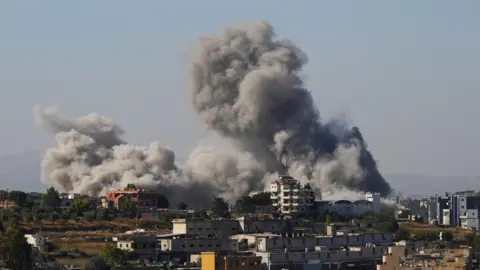
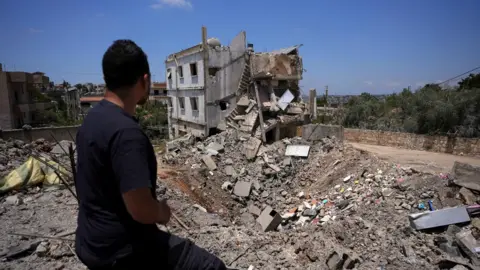
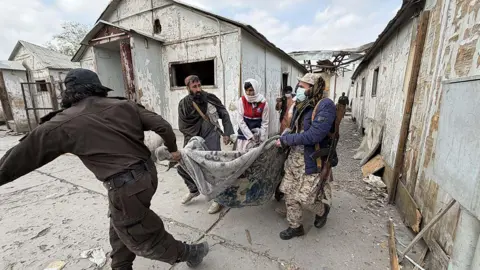
The recent escalation in tensions between Afghanistan and Pakistan reached a new pinnacle following an airstrike on Kabul, which resulted in one of the highest death tolls since hostilities resumed in February. The strike reportedly targeted a drug rehabilitation center, leading to widespread condemnation from Afghan officials and the Taliban government, who labeled it a crime against humanity.
As the dust settled, social media platforms became battlegrounds for a war of words, with both sides eager to disseminate their perspectives. Zabihullah Mujahid, the Taliban spokesperson, accused the Pakistani military of violating Afghan sovereignty and causing unnecessary civilian casualties. In response, the Pakistani Ministry of Information dismissed these claims as propaganda, alleging that the strike aimed to take out militant infrastructure threatening Pakistani civilians.
By morning, the Taliban claimed the death toll exceeded 400; however, a UN verification reported 143 confirmed deaths and numerous injuries, raising concerns for future casualties as investigations continue. Despite claims of a precision strike, Pakistan's military has faced scrutiny over its refusal to acknowledge civilian losses, maintaining that the targets were justified under national security rhetoric.
The context of this conflict revolves around mutual accusations of terrorism. Pakistan asserts that militant groups sheltered by the Taliban instigate violence against its citizens, a charge vehemently denied by both the Taliban and India, who assert that Pakistan’s internal issues are of its own making.
This ongoing struggle mirrors a broader geopolitical landscape wherein both nations see little room for reconciliation. As Pakistan adopts a more assertive military stance, previously silent strike confirmations are now actively communicated via government channels, threatening further escalation.
Furthermore, the Taliban has indicated that retaliation against any aggression will be deemed inevitable, further complicating efforts for peace amidst mediators' attempts to broker a ceasefire during key religious periods.
As the conflict continues to unfold, regional stability remains at risk, and the narrative battle between Kabul and Islamabad showcases the critical intersection of war, politics, and social media, impacting prospects for peace in South Asia.