Background
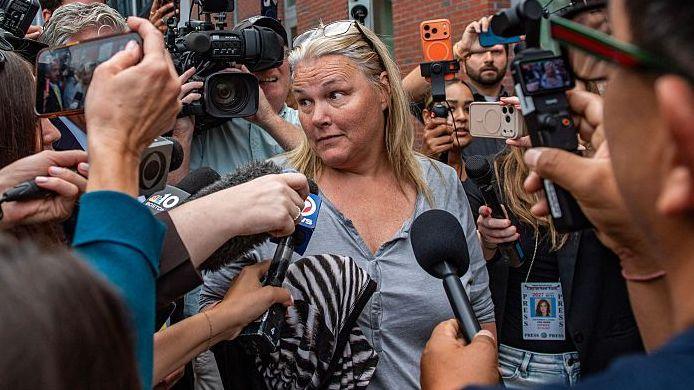
Erin Patterson, a resident of Victoria, faced the criminal judiciary in December 2025 after she allegedly served family members poisonous food containing the deadly mushroom known as Amanita phalloides, commonly called the death cap. Two of the victims died, a third suffered severe poisoning symptoms, and a fourth did not survive after Patterson tried to force her to comply with the mushroom-laced meal.
Trial & Conviction
During the November 2025 trial, prosecutors presented forensic evidence indicating mushroom toxins in the meals served to the family. The court found Patterson guilty of three counts of murder and an additional attempt of a fourth, sentencing her to an indeterminate life term with no possibility of early parole.
Appeal & Current Proceedings
In the current week, Patterson’s legal team has petitioned the Victorian Supreme Court to overturn the conviction, citing procedural irregularities and new documentation suggesting alternative sources of the poison. The appellate review will examine whether these alleged errors compromised the fairness and accuracy of the original trial.
Implications & Diverse Perspectives
The case underscores the delicate balance within Australian criminal law between ensuring public safety and protecting individual legal rights. For victims' families, the appeal threatens the resolution they have found in the conviction, while legal scholars focus on the precedents such an appeal might set for future poison‑based homicide cases. Meanwhile, the general public may feel uneasy about the use of a deadly natural toxin weaponized within a domestic context, prompting debates over the adequacy of the life sentence under current statutes.