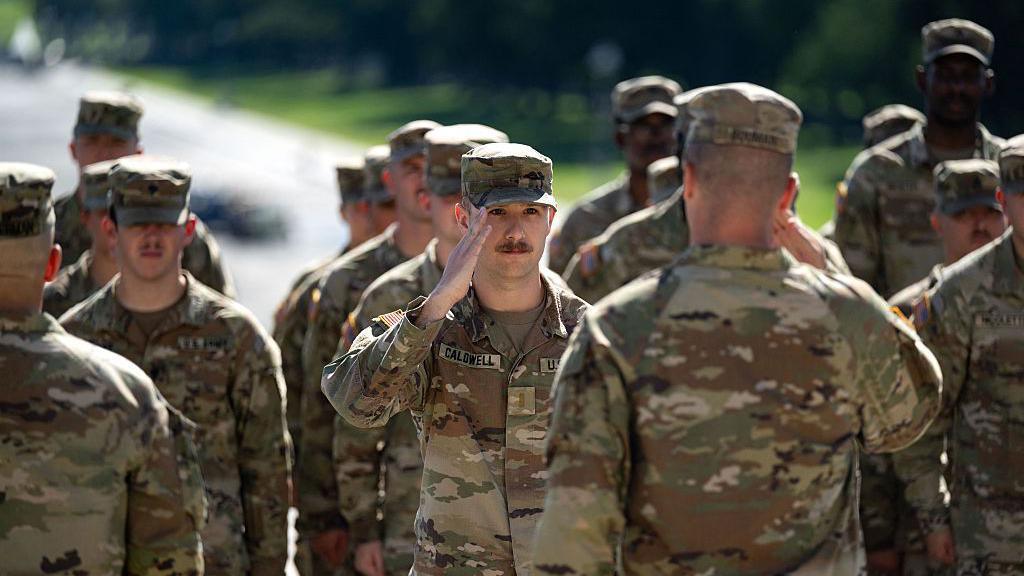
Following the shooting of two National Guard members by an Afghan national in Washington, D.C., the Trump administration has unleashed a wave of immigration policy changes aimed at restricting the entry and stay of certain foreigners in the U.S.
These changes include a suspension of asylum decisions, a comprehensive review of green card applications from countries identified as of concern, and a halt on visas for Afghan nationals who aided the U.S. military.
Critics from refugee advocacy groups and those assisting Afghans have condemned the measures, insisting they amount to collective punishment and a needless use of government resources, particularly since many of these cases have already undergone scrutiny.
The administration defends these policies by emphasizing the necessity of ensuring that individuals entering or residing in the U.S. do not pose security risks.
Major Policy Changes
Among the most significant changes are the following:
Suspension of Asylum Decisions
Joseph Edlow, director of U.S. Citizenship and Immigration Services (USCIS), announced that asylum decisions will be paused as the agency works to verify that every applicant is thoroughly vetted.
Currently, specific details regarding the duration of this pause or its implications for those awaiting decisions remain unclear.
Focus on High-Risk Countries
Edlow indicated a thorough examination of green card applications from individuals originating from 19 countries deemed high-risk, emphasizing, “American safety is non-negotiable.”
Visa Suspension for Afghan Nationals
The administration has suspended all immigration requests concerning Afghan nationals, affecting their ability to obtain green cards or work permits while also halting visa issuance for those traveling on Afghan passports.
Review of Refugee Admissions Under Biden Administration
Additionally, the Trump administration plans to conduct a sweeping review of the 200,000 refugees who were admitted to the U.S. during the Biden administration. Advocates contend that refugees already undergo a rigorous vetting process.
Despite the administration's stated security objectives, advocates continue to voice concerns regarding the implications of these stricter immigration policies on those seeking safety and a new life within U.S. borders.