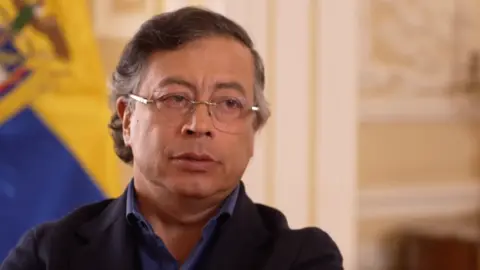
Colombia's President Gustavo Petro has warned of a 'real threat' of US military intervention against Colombia, stemming from escalating tensions with the Trump administration over drug trafficking policies and immigration enforcement.
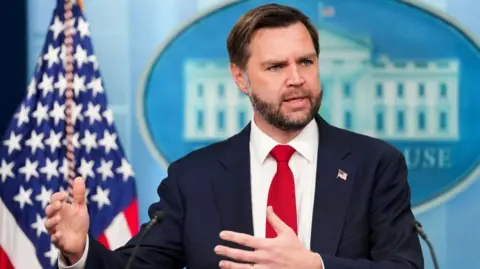
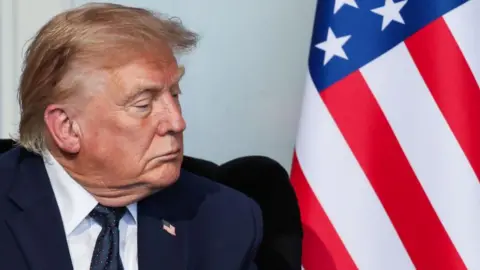
In his remarks to the BBC, Petro criticized the United States for treating countries in Latin America as if they were part of a vast 'empire'. This caution follows Trump's aggressive language towards Colombia, including threats of military action and disparaging comments regarding Petro's leadership.
Petro's statements come in the wake of a recent phone call with Trump, where discussions centered on issues like drug trafficking and the ongoing political crisis in Venezuela. Although the call was characterized as a potential thawing of relations, Petro's subsequent comments indicate concerns remain acute.
Highlighting the US's expansive immigration enforcement measures, Petro likened ICE operations to 'Nazi brigades', showcasing his discontent with how the US has been addressing illegal immigration—a topic Trump has often used to justify broader enforcement actions.
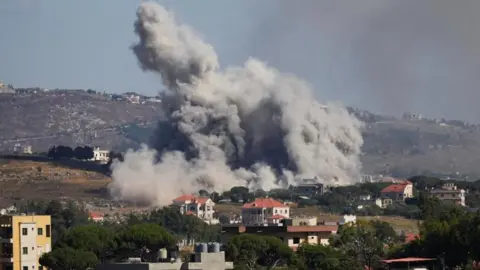
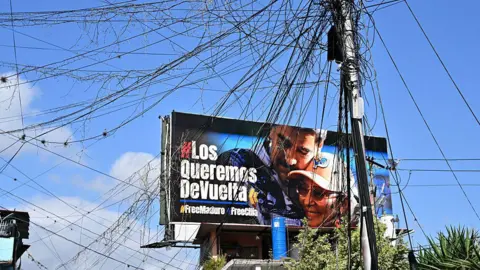
Trump’s recent military operations in Venezuela only amplify these tensions, as he suggested a similar course of action in Colombia. In response, Petro organized demonstrations in Colombia advocating for sovereignty and denouncing U.S. interference.
Petro pointed out historical precedents where Colombia lost territories to US influence, urging for a focus on dialogue to avert potential military conflict. He noted that Colombia's defense strategy relies not on direct military confrontation but rather on the strength of its mountainous terrain and civilian support.
As the Colombian leader confronts these pressing geopolitical issues, he reiterated his commitment to negotiations with local armed groups while addressing the illegal drug trade, which remains a critical issue for both Colombia and the US.
This escalating narrative underscores the complexities of US-Latin American relationships and poses significant implications for future diplomatic engagements in the region.