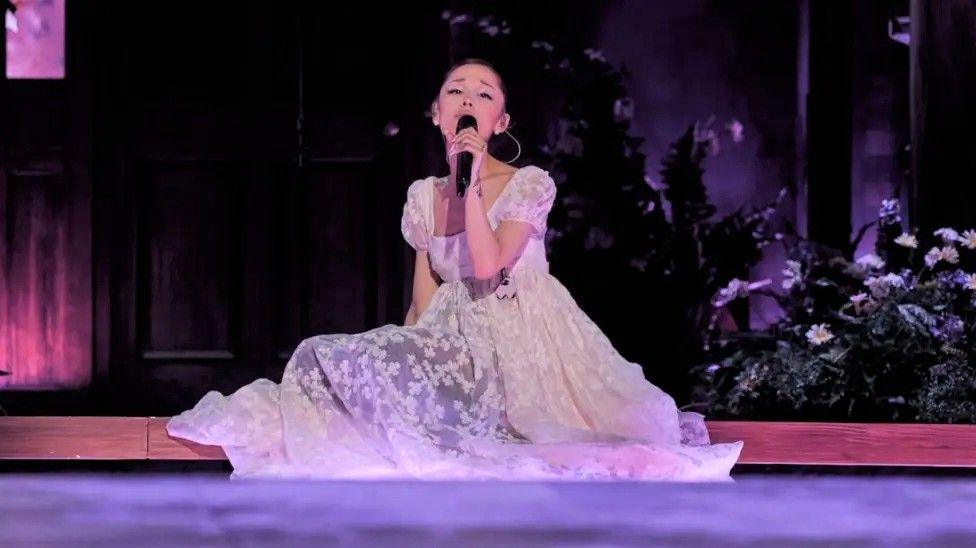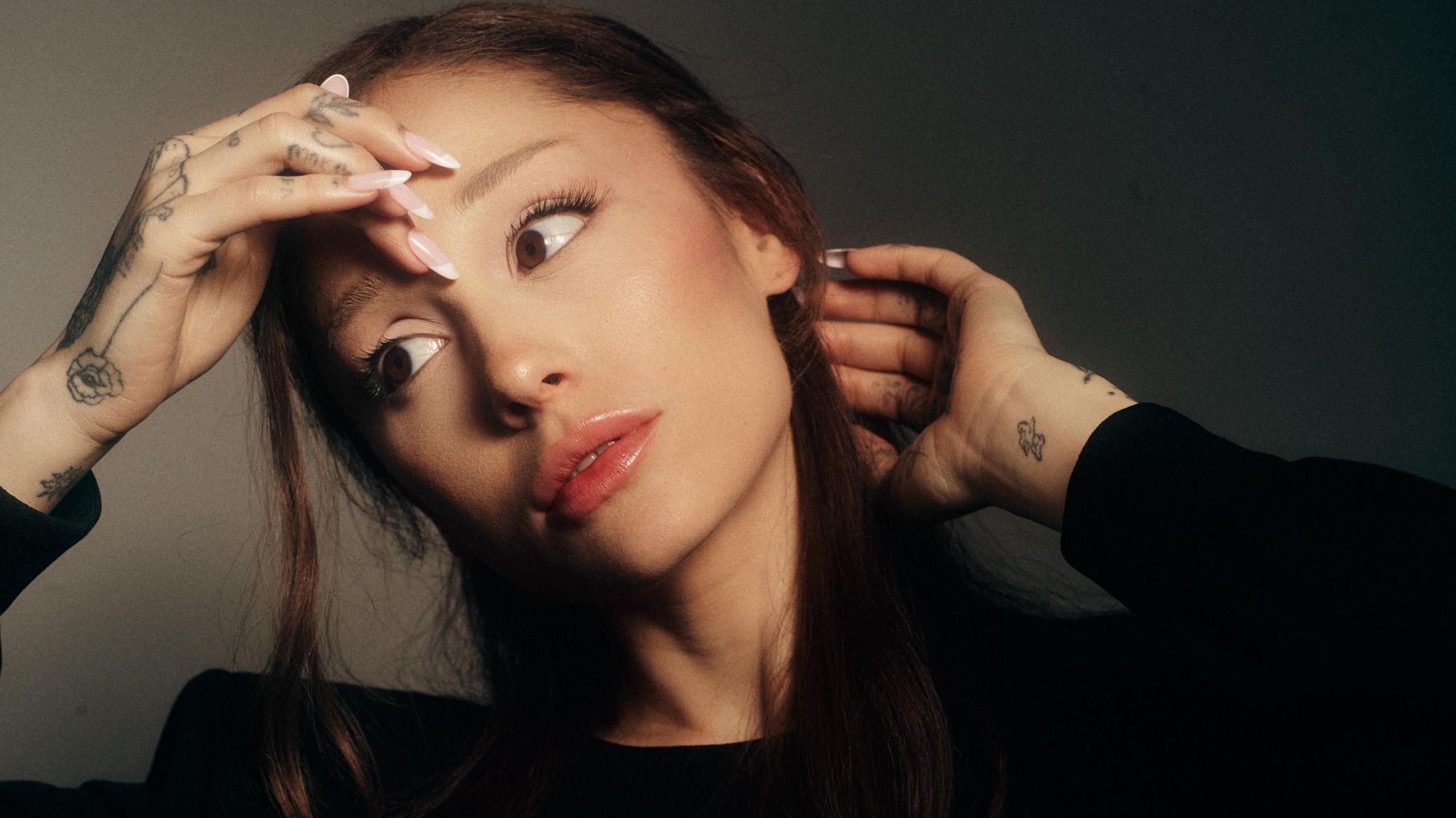
After a three‑year‑old plea from fans to stop body‑related comments, Ariana Grande has announced she will take a break from public life once her current tour concludes.
The pop star and actress, who first highlighted the issue in a TikTok video where she urged her followers to understand that people have diverse ways of being “healthy and beautiful,” has seen her online presence saturated by speculation about her weight and figure.
In a statement released by her spokesperson, Grande said she would finish the Eternal Sunshine Tour, hoping to end it “on a high note, both healthily and happily,” before stepping away from “public-facing work and appearances which have led to endless, ongoing public scrutiny.”
She will not appear in her scheduled stage role in a Stephen Sondheim musical at London’s Barbican Theatre, nor will she repeat future appearances in other high‑profile live events.
Gains from the announcement are mixed. Fans on social media formed the hashtag #Weloveyouariana, expressing support while calling for a halt to commentary on the singer’s body. A number of commentators point out that the fascination with celebrity appearances reflects broader cultural pressures and can have significant psychological effects.
In recent months, Grande released her eighth studio album, Petal, featuring a music video in which she portrays various pop-star personas who critique her body and weight. The video’s shocking imagery—-including a bizarre depiction of her “melting” into a chainsaw‑shot—-has intensified the conversation about how the music industry can fuel body shaming and unrealistic beauty standards.
Beyond the sensationalities, the singer has addressed her personal struggles with post‑traumatic stress disorder following the Manchester Arena bombing in 2017 and grief after the death of rapper Mac Miller in 2018. She has called for mandatory therapy for child‑stars, linking the heightened scrutiny she faces to her own mental‑health history.
Her Brighter Days Ahead Foundation, inaugurated this summer, seeks to support mental‑health resources for touring musicians and staff, offering counseling, financial, and emotional aid.
Analysis from scholars in media studies and psychology suggests the situation illustrates the human cost of fame and relentless media pressure. Some argue that an upcoming break could provide a respite for Grande, yet others warn that media demand for a continuous presence may continue to create a cycle of public observation, exacerbating body‑image issues for both the singer and the audiences.
The move will enable Grande to reclaim control over her narrative and may serve as a model for how other celebrities address the intersection of body shaming, mental health, and public expectations. Whether it will relieve the intense scrutiny remains to be seen, yet the brand’s stance highlights a growing awareness of health over appearance in public discourse.