HOUSTON (AP) — The Artemis II astronauts are set to redefine the boundaries of lunar exploration as they pursue a new distance record.
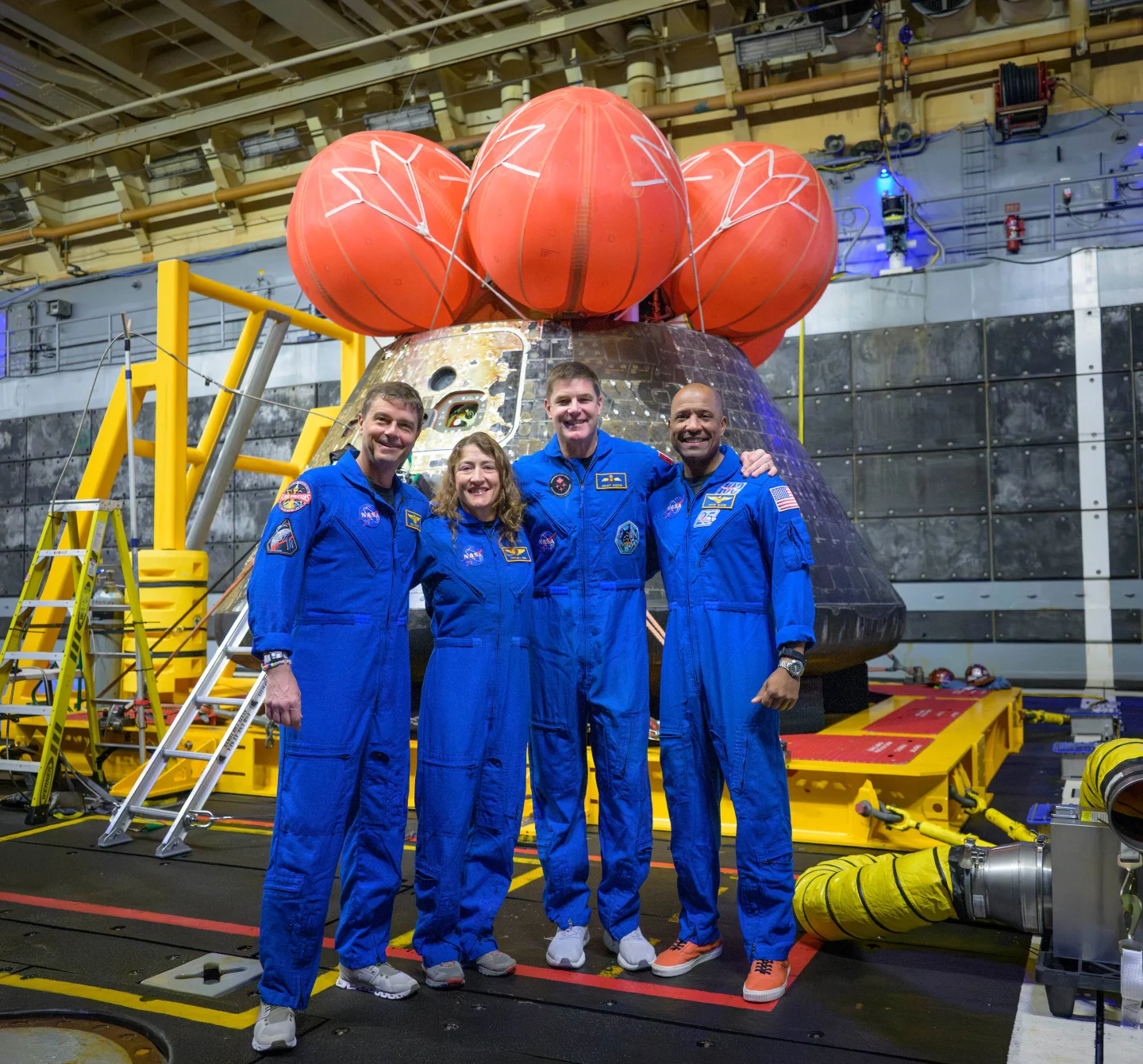
Launched on April 1, 2026, this mission features a crew of three Americans and one Canadian, marking humanity's return to the moon after over half a century. Their objective? To eclipse the maximum range reached by Apollo 13, thus setting a new record for lunar flybys.
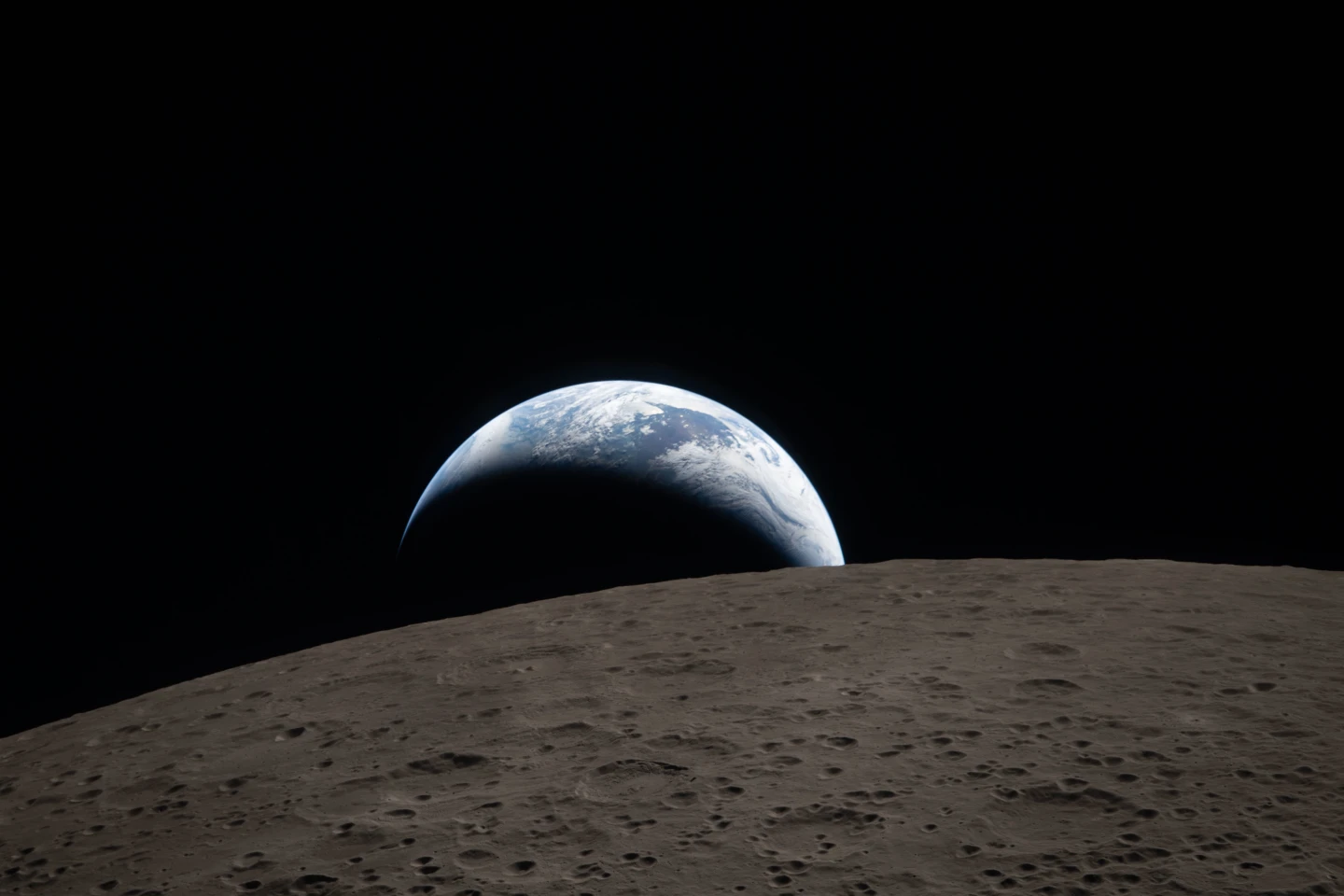
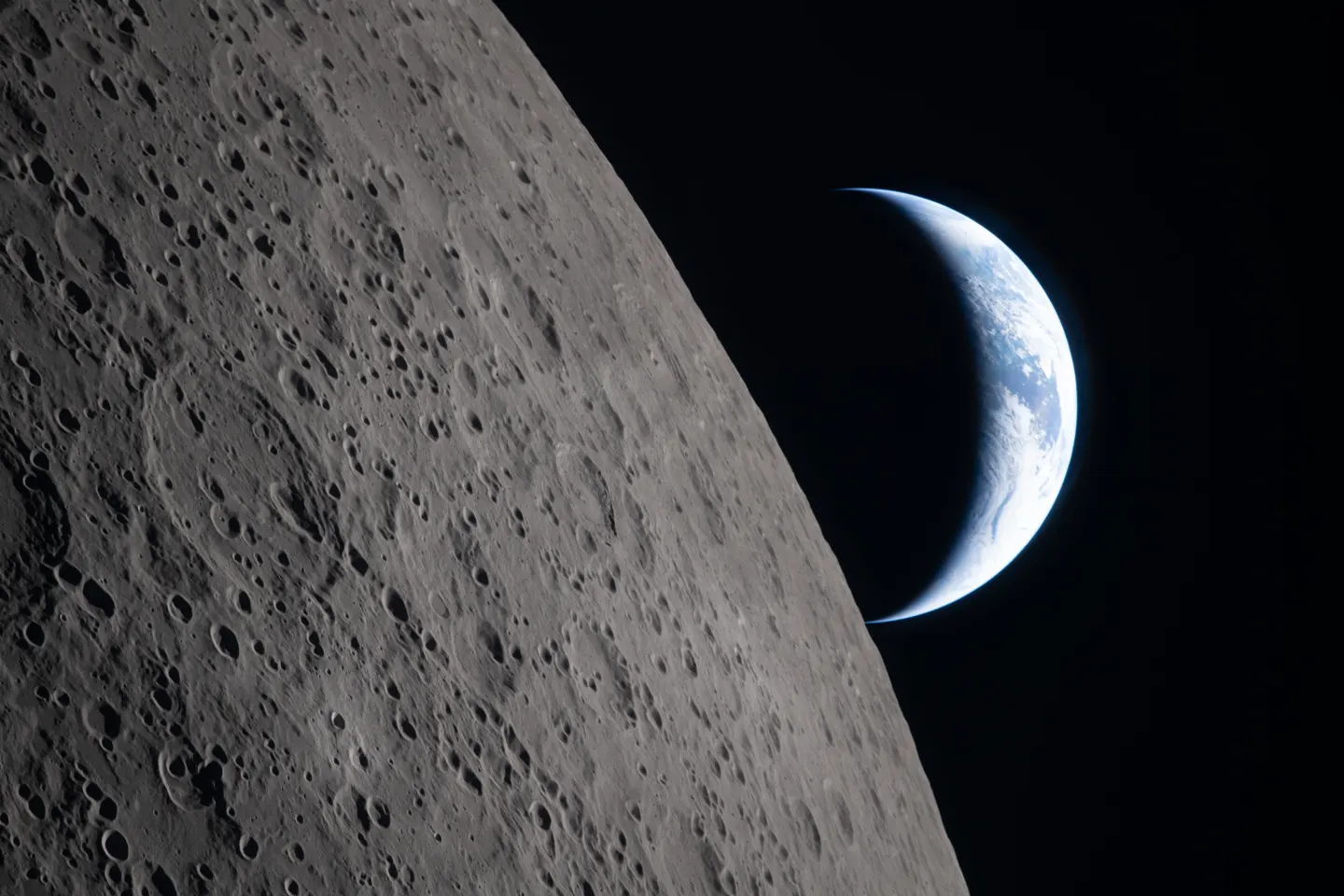
On Monday, they will navigate around the moon without landing, promising a six-hour flyby that will unlock views of the moon’s far side, previously obscured from the 24 astronauts of the Apollo missions. A total solar eclipse will enhance their experience, revealing the sun's corona.
Flight director Judd Frieling noted, We’ll get eyes on the moon and continue to build upon our efforts toward establishing a sustained human presence on its surface. The mission aims for a future with lunar bases, landers, rovers, and habitats ringing the moon.
Apollo 13’s Enduring Legacy
Apollo 13 set a distance record of 248,655 miles (400,171 km) from Earth in 1970, a mission marked by a critical flight path adjustment for a safe return. Artemis II aims to surpass this distance by approximately 4,000 miles (6,400 km), as the crew takes a similar path across the moon.
Expert Observations and Unique Views
During the flyby, the astronauts will pair up to effectively capture images of the moon, utilizing advanced cameras as well as personal devices to document their encounter. Although the moon's far side will be less illuminated during this launch window, significant geographical features like the Orientale Basin will be observable for the first time by humans.
An Unmissable Solar Eclipse
In an extraordinary coincidence, the mission will coincide with a total solar eclipse, only visible during the flyby. This rare event gives the crew the chance to study solar phenomena from a vantage point above the Earth.
Communication Blackouts and Return Journey
As Orion spacecraft progresses behind the moon, the astronauts will face a communication blackout lasting nearly an hour. Despite the challenges posed by this period, the mission relies on established protocols to ensure the crew's safety and successful navigation during their return journey.
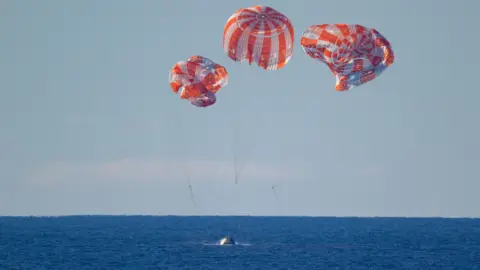
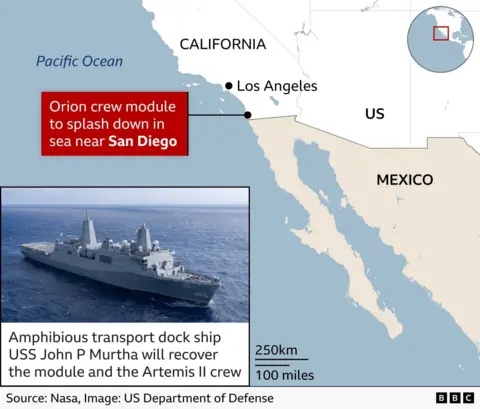
Once Artemis II departs the lunar vicinity, a four-day return trip to Earth is planned, concluding with a splashdown in the Pacific Ocean near San Diego on April 10, 2026.