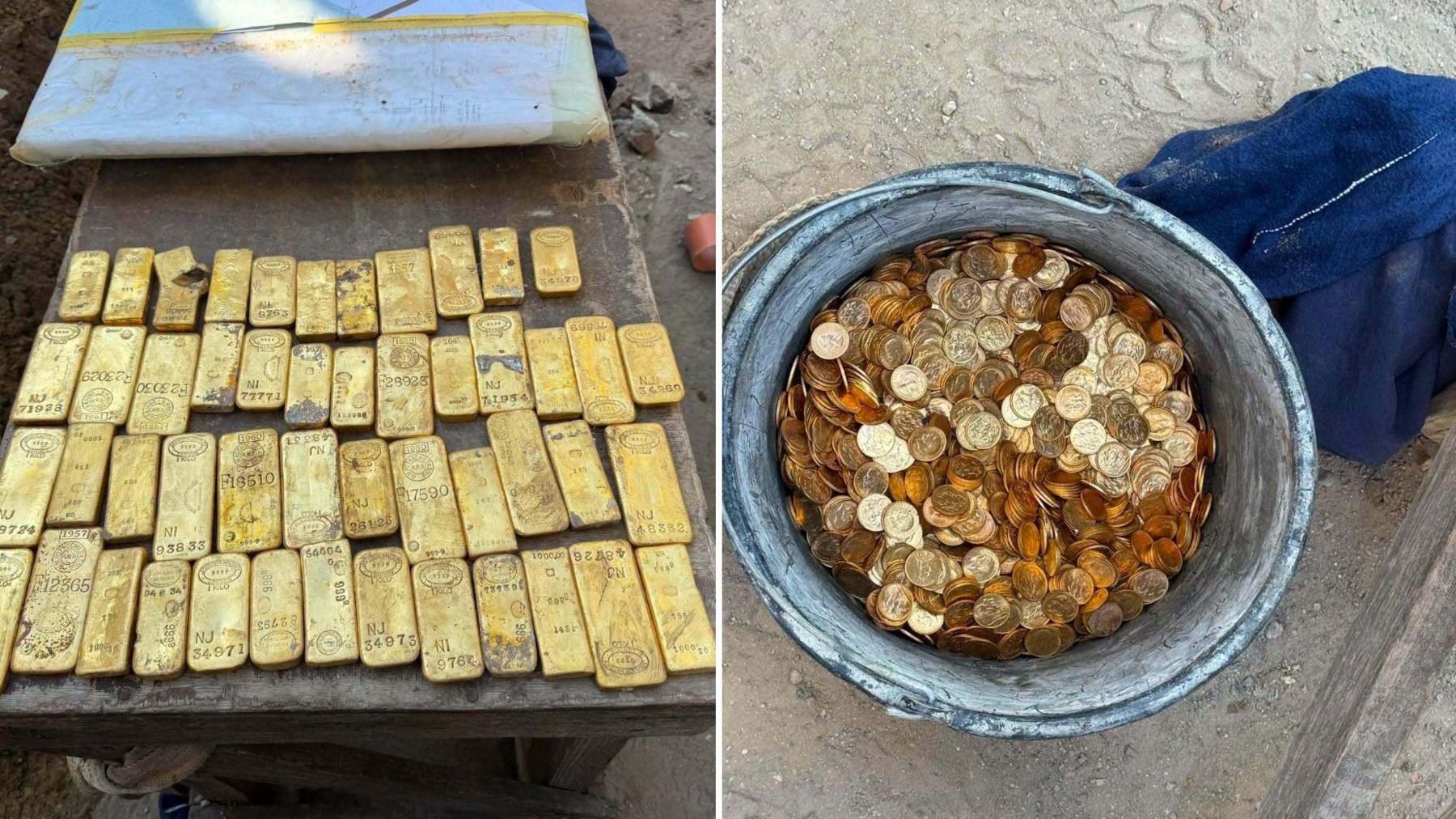
Belgian Builders Find €9 million Gold Hoard Hidden in Walls
During a routine renovation in Dendermonde, workers drilling for new sewage pipes beneath a 19th‑century house uncovered a remarkable stash of gold bars and coins, reportedly worth about nine million euros. The discovery, made earlier this week, has turned an ordinary construction site into a headline‑grabbing mystery.
The construction crew, led by a summer worker named Kobe, described their initial reaction as disbelief and amazement. “I thought they were one‑euro coins at first, but then we saw a gold nugget,” Kobe told the Belgian public broadcaster VRT. The weight and quantity of the treasure made it clear that it could not be kept quietly by the crews.
The property is owned by CAW Oost‑Vlaanderen, a charitable organisation that provides welfare support in the city. Its director, Geert Hillaert, welcomed the find, expressing hope that the haul could fund the charity’s work. However, both the builders and the charity face a legal waiting period of five years before anyone can claim the treasure, as regulated by Belgian “hidden treasure” law.
A local prosecutor has launched an investigation to identify the rightful owner and to determine whether the hoard was tied to criminal activity. If no one comes forward within the statutory period, civil law states that the loot may be divided between the finder and the property owner. That scenario, however, will only occur if the treasure is deemed legitimate.
Police officers have moved the gold to a secure location and cautioned the public against seeking further treasure on the construction site. The force’s social media profiles now feature a gold coin, signalling the community’s interest in ensuring the hoard ends up “in the right place” and benefits people in need.
The case illustrates how a single accidental discovery can raise complex questions about law, ethics, and charity. While the builders may have recorded the moment in photographs, the ultimate disposition of the gold remains to be decided by legal scrutiny and community values.