Eternal Ice Becomes History in Papua’s Sudirman Range
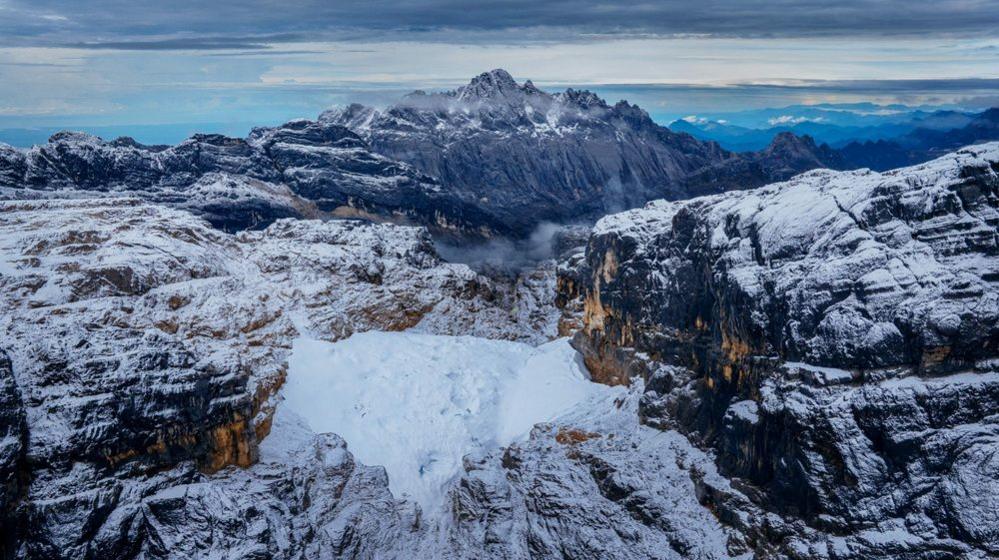
High on the equator, the Sudirman Range once pooled snow that had persisted for centuries. Today, only a handful of meters of ice cling to the peaks, and most of a glacier that once covered 1,900 hectares is now barely 16 hectares.
A Scientific Archive in Fast–Forward Crisis
Glaciers in this remote part of Indonesia are pivotal for climate science. Ice cores taken from Puncak Jaya hold records of temperature, humidity and atmospheric composition that inform models of global change. Those archives are evaporating as the last layers of snow melt within the next two years.
Cultural Sentiment at a Losing Margin
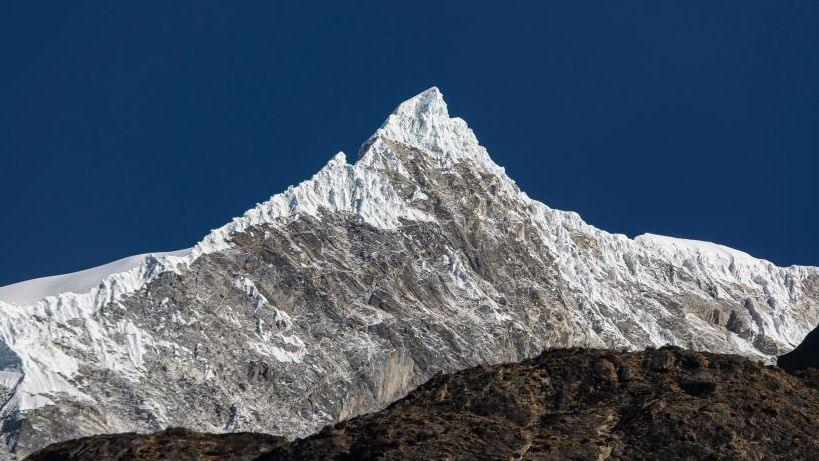
For dozens of Papuan tribes, the mountain is a living moral compass – a “White Arrow” that steadies faith and tradition. Without the snow‑coated summit, elders like Elfrida Natkime worry that the spiritual anchor will crumble, echoing for them what a destroyed holy site in Mecca or Rome would mean for the faithful.
Mining and the Mountain’s Double-Edged Sword
The discovery of vast copper and gold reserves has turned the same range into a mining hub. While the Grasberg mine brings jobs and infrastructure, it also strips local lands, alters landscapes, and makes communities negotiate a trade‑off between livelihood and ecological loss.
Scientists Race to Survive the Ice
Using drones and 3D mapping, researchers like Danish scientist Klaus Thymann confirm that glacier area has slumped by 95% over two decades. Their aim is to capture what remains and showcase the scale of change to a world that still questions how fast the planet warms.
The vanishing glaciers in equatorial Papua show that climate change does not spare any corner of Earth. As ice melts, so do cultural narratives and natural resources, tightening the call for global action that respects both science and the people who depend on mountains for identity.