Four Killed, Several Injured After Russian Strike Across Ukraine
Overview: Overnight Russian missile attacks struck key Ukrainian cities, killing four residents and leaving dozens wounded. The strikes have intensified concerns about civilian safety amid an ongoing conflict that has already displaced millions.
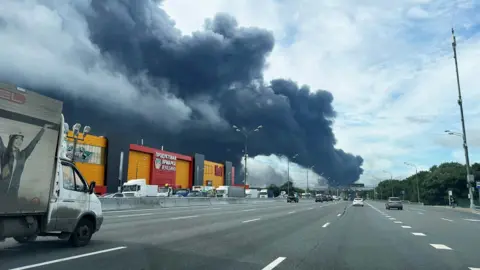
In Dnipro, a 73‑year‑old woman and three others lost their lives, with five additional people injured. The Kharkiv region reported eight injuries, and Kyiv saw four injuries alongside significant damage to high‑rise apartments, raising fears that occupants may be trapped under rubble. Large plumes of smoke rose from the capital’s centre as missiles hit residential areas.
Kyiv’s mayor, Vitali Klitschko, urged residents to remain in shelters and confirmed the active deployment of air‑defence forces. City Military Administration head Tymur Tkachenko described the attacks as ballistic missile strikes aimed at strategic targets. Officials noted that the city had suffered two high‑rise apartment building hits, with a significant risk of casualties.
President Volodymyr Zelenskyy had, on the preceding Monday, issued a stern warning of a potential massive Russian strike and urged vigilance toward air‑raid alerts. In his nightly video address, he reiterated that intelligence warnings remained in effect and that the country was prepared for a large‑scale attack.
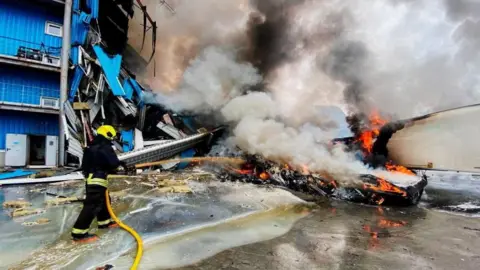
Image: A rescuer works at a site of apartment buildings hit by a Russian drone strike in Dnipro, Ukraine, May 31 2026.
The incident has sparked a range of responses. Ukrainian authorities highlight the casualty toll, pressing international allies for support and condemnation of the attacks. Russian officials, while not commenting directly on this specific strike, have historically framed such actions as necessary counter‑measures against perceived military threats. International observers call for de‑escalation and a renewed focus on humanitarian aid, pointing to the broader implications for civilian safety in contested areas.
As the war continues, each new attack reinforces the stark divide in narratives—one side portraying the other’s military actions as indiscriminate atrocities, the other presenting them as justified measures. The present strikes underscore the enduring human cost and the urgency for a durable resolution to the conflict, as both sides navigate the complex web of military strategy, political claims and international law.