A Tale of Mourning and Messaging
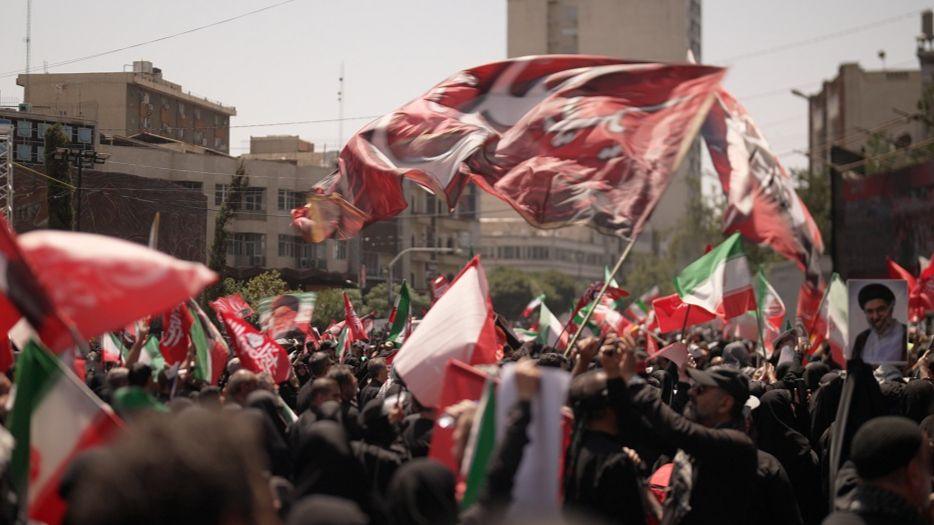
In early July, Tehran locked up for three days as the government carried the coffins of its slain supreme leader, Ayatollah Ali Khamenei, and four family members along a 10 km route that became a living theatre of resistance. The march was deliberately slowed and stalled by crowds that numbered in the millions, turning each stop into a political tableau designed to echo across the nation and beyond.
The State’s Chorus of Vengeance
President Masoud Pezeshkian declared that the teardrop‑heavy procession was “real grief, not fabricated” and dismissed the United States as the principal antagonist in a speech that echoed the official rhetoric of a country still at war. In the public square, participants shouted the familiar slogans “Death to America” and “Death to Israel,” turning the streets into echo chambers of defiant longing.
Images and Echoes from the International Front
The parade drew a surprising number of foreign journalists and social‑media influencers. They reported that the state had grooms crowds to ask “Where are you from?” and urged media to “tell the truth.” A grey‑haired man named Mojtaba, one of the mourners, warned that revenge would soon colour the White House in red, a warning that found resonance in the crowded cafés of Tehran and the cable‑wrapped faces of delegations that had travelled to the capital.
Economic Strains and Unease Behind the Veil
When the parade unfolded, the average Iranian was drowning in an eight‑fold inflation spike and a war‑riven economy that left many unemployed. The state’s message of unwavering defiance seemed at odds with the grim realities that slept beneath the shattered glass of the coffin‑carrying truck—a vehicle draped in the green, red and white of the national flag and the deadly chants of martyrdom.
Voices of the Quiet Revolution
While the procession provided a backdrop for state propaganda, two young women in black scarves shared whispers of the real voice of revolution that had erupted in January. Their lips carried the memory of protests that once trailed the same streets, revealing that dissent existed even amid the lattice‑decorated trucks that carried Khamenei’s 14‑month‑old granddaughter Zara.
Legacy, Reflections and the Road Ahead
Historian Mohammad Eslami noted that the funeral “frames him as a transcendent religious, political figure beyond the local.” Meanwhile, thinkers like Karim Sadjadpour considered the revolution, perhaps a relic of a world that is now gone. The funeral, through its symbolic gestures—a clenched fist statue overlooking EnqelÂb square—signals a readiness to be a living, defiant monument for Iran’s new era under Supreme Leader Mojtaba Khamanei.
In the twilight of the 1979 founding generation, the funeral is more than a rite of passage. It becomes a political stage where the present and future of the Islamic Republic are vocalised—through revolutions of mourning, updates of depth, and a threat carried in the red‑flag‑filled chants of a city that refuses to quietly surrender.