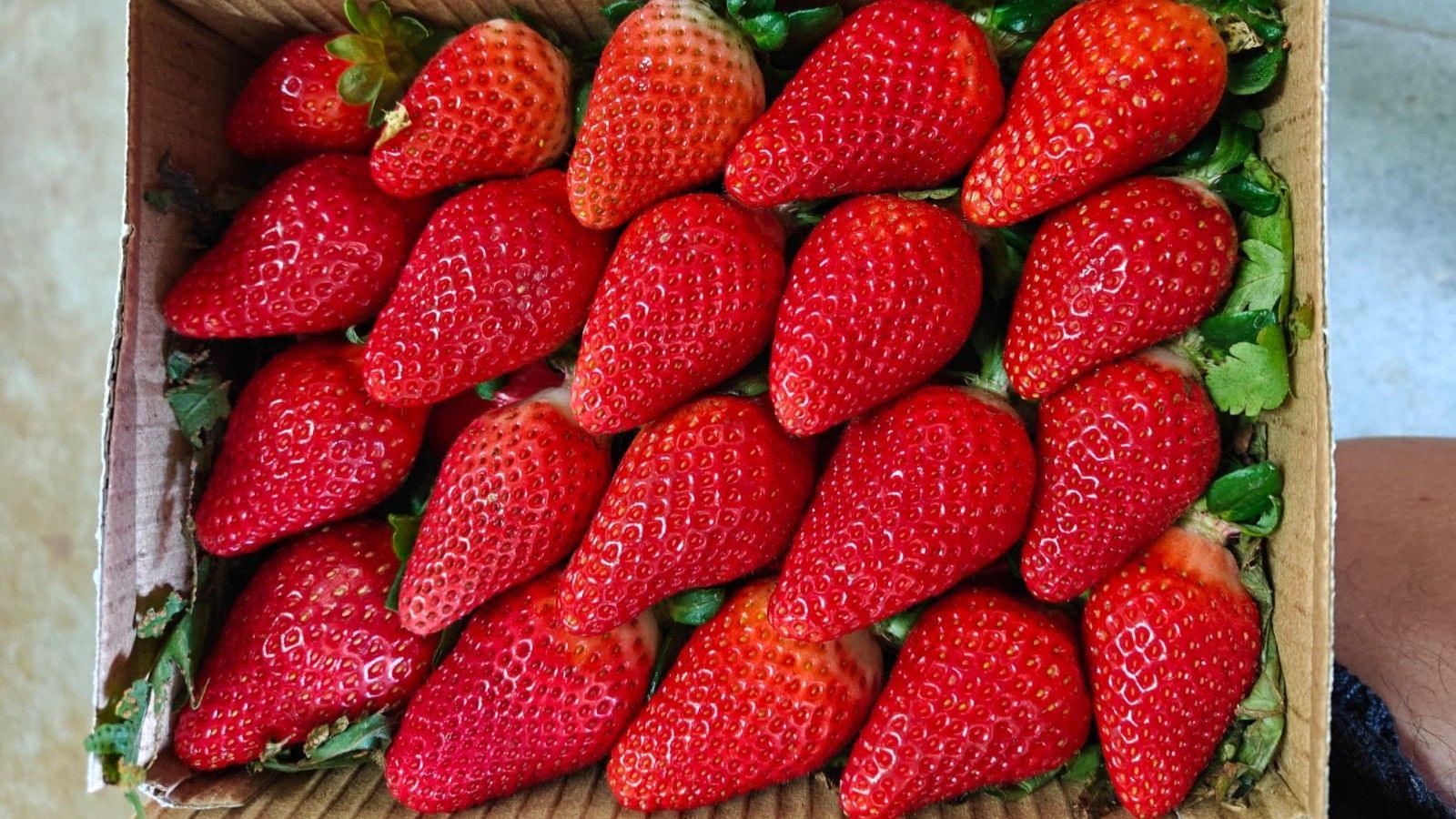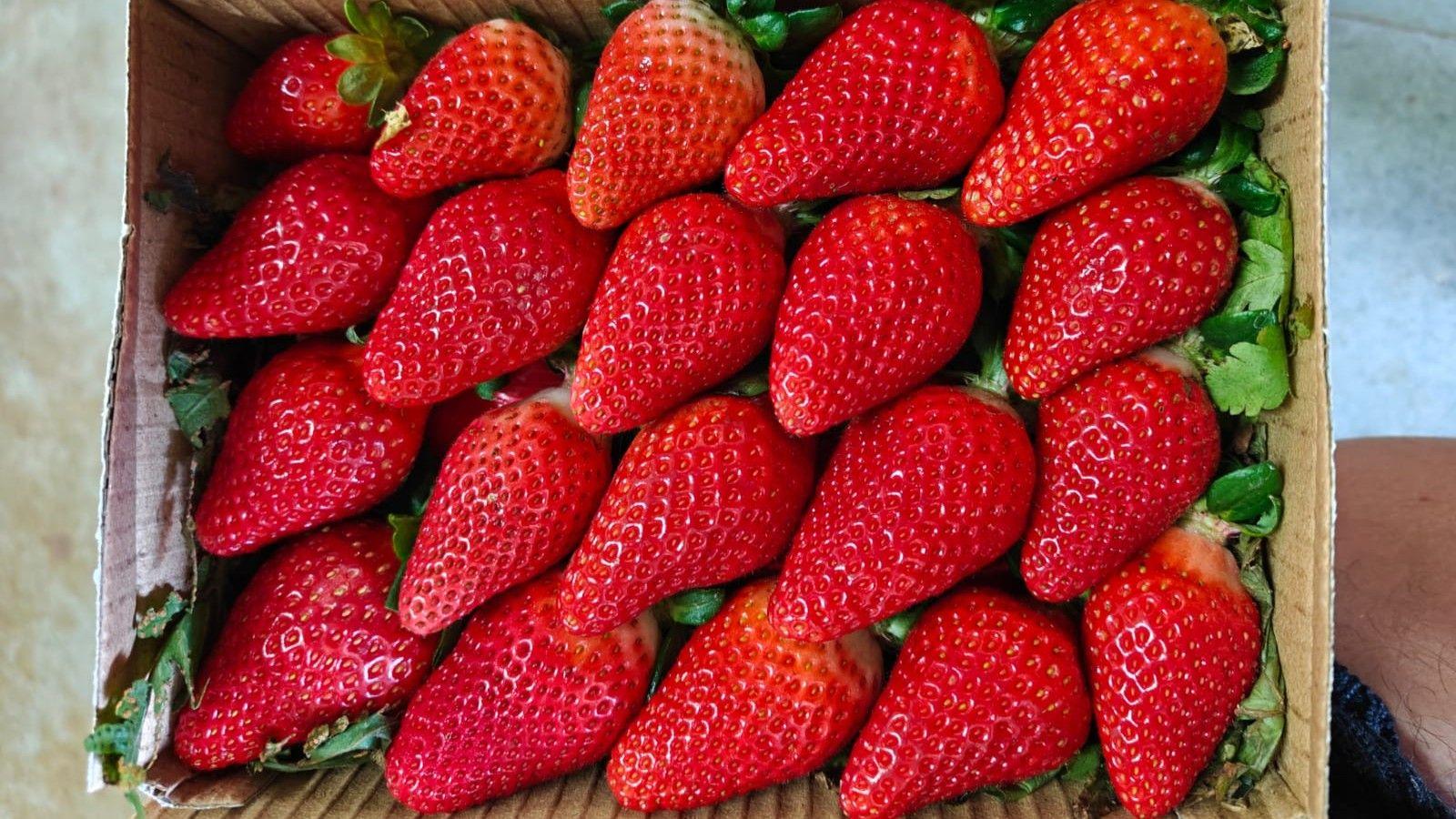
The valley of Mahabaleshwar in western India is the cradle of the nation’s strawberry farms, accounting for roughly eight‑five percent of the domestic harvest. A high‑altitude climate, rich soil and a cool growing season from November to March make the region ideal for a fruit that otherwise thrives mainly in the temperate zones of the United Kingdom, United States and Europe.
Despite the advantages, stone‑cold winters and periodic heavy showers turn a farm into a gamble. A wet spell can wash away weeks of painstaking labour and cause farmers to bear a loss that dwarfs any profitable deal. The recurring step of re‑planting each season, coupled with an outlay of roughly $2,500 each year, further adds to the risk, as the yield is uncertain until the crop matures.
What makes the situation more precarious is that no domestic strawberry variety exists yet; growers must import certified mother plants from California, Florida, Italy or Spain, then subject them to a quarantine before they’re propagated in the Indian climate. This reliance on foreign germplasm not only raises costs but also prolongs the time between purchase and harvest.
Tara Farms Fresh illustrates the precision of contemporary propagation. Their indoor system uses rectangular coco‑peat substrates, a drip‑irrigation and fogging network, and a limited‑depth roof that lets growers control the micro‑climate from seedling to fruiting stage. A single imported mother plant can produce twenty to thirty cutting‑stakes, which are then sold to farmers across the valley.
At the Mahatma Phule Krishi Vidyapeeth, a partnership with the Bhabha Atomic Research Centre is pushing the limits of genetic research. By using low‑dose gamma irradiation on plant tissues, researchers hope to generate a heat‑tolerant, high‑yielding cultivar that matches the firm texture and large fruit size of its foreign counterparts. While a decade of development is expected for the final release, the research team has already produced ready‑to‑plant guidelines that adapt fertiliser regimes to the Mahabaleshwar soil and climate.
An entrepreneur, Ketan Yashwant Sodha, is turning technology into a commercial product. After a setback with high‑output hydroponics in 2017 that was crushed by a cyclone, he refined his system to use a narrowed water flow that concentrates sugars and aromas, enhancing the fruit’s flavour. His semi‑open polyhouse can keep fruit growing year‑round, with sophisticated “blood work” – laboratory testing of leaves – that fine‑tunes nutrient dosing.
The Farmer Producer Organisation led by Krishan Bhilare exemplifies community‑based tech. With weather towers bolstered by artificial‑intelligence, the group can forecast upcoming rain and advise farmers to delay pesticide application, reducing losses from washouts. Vertical towers constructed from stacked coconut‑peat pots push planting density from 25,000 to 125,000 plants per acre, multiplying output without enlarging the physical footprint.
Despite the promise of high technology and indigenous breeding, the economic hurdle remains steep for small holders. Bulk capital for AI hardware, hydroponic kits or vertical towers and the uncertain risk of climate change still tether the industry to an uncertain future. Yet, as research continues and new funding streams arrive from the government and private sector, the lure of a domestic strawberry market appears increasingly viable, promising a more stable supply chain for the fruit that has become a symbol of India's agricultural ambition.