FIFA president Gianni Infantino announced that the possibility of a 64‑team World Cup will be examined after the 2026 finals, with an expanded format already successful since 2021. The suggestion was first floated by CONMEBOL in April 2025 but no final decision has been made.
Infantino told Swiss broadcaster Blue Sport that “the World Cup must be for the whole world.” He highlighted the high quality of teams worldwide, pointing to Africa’s increased representation at the last finals – nine out of ten African teams reached the knockout stage, a dramatic rise from just five at 2018.
“If you don’t give smaller countries a chance to participate, they’ll lack the incentive to keep improving,” Infantino said. The 48‑team structure, approved by the FIFA council in 2017, allowed more nations, especially from the continents other than Europe and South America, to dream of qualifying.
However, many officials remain skeptical. UEFA president Aleksander Ceferin called the 64‑team idea a “bad idea” for both the tournament and its qualifying process, while AFC president Sheikh Salman bin Ibrahim Al Khalifa warned that further expansion would bring “chaos.” Concacaf’s Victor Montagliani added that the move could damage the broader football ecosystem.
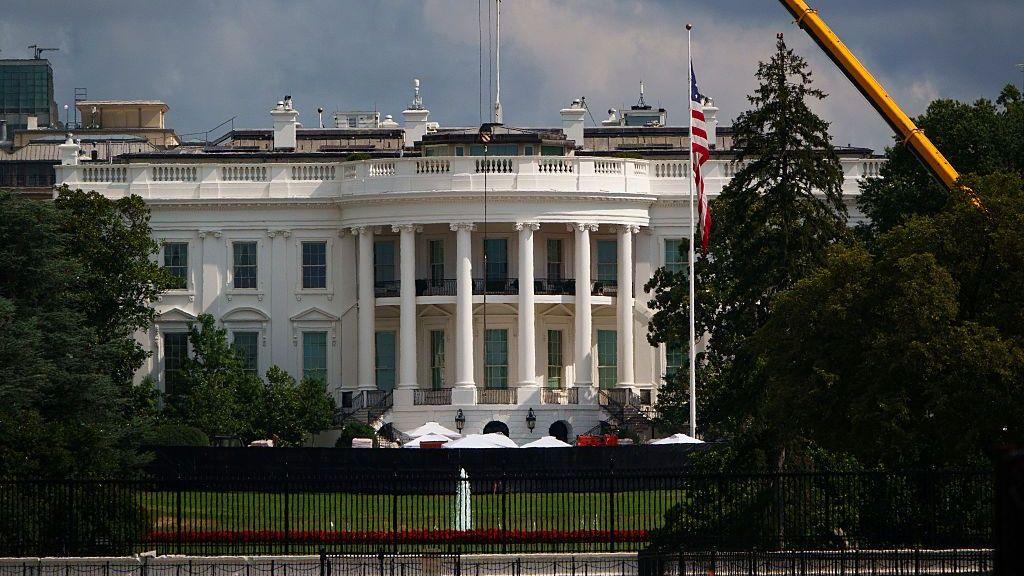
On the other hand, the United States’ executive director of the White House World Cup Task Force Andrew Giuliani noted that a 2038 bid could handle a larger format, showcasing potential support from the U.S. side. Still, logistical challenges loom large – the 2030 World Cup will already span six countries: Spain, Portugal, Morocco, Argentina, Paraguay and Uruguay, and a 64‑team tournament could involve 128 games.
FIFA’s official stance remains that proposals will be deliberated with stakeholders and ultimately decided by the council. While no immediate move is expected, the debate illustrates the tension between inclusivity, revenue, and competition integrity as the world looks toward future tournaments.