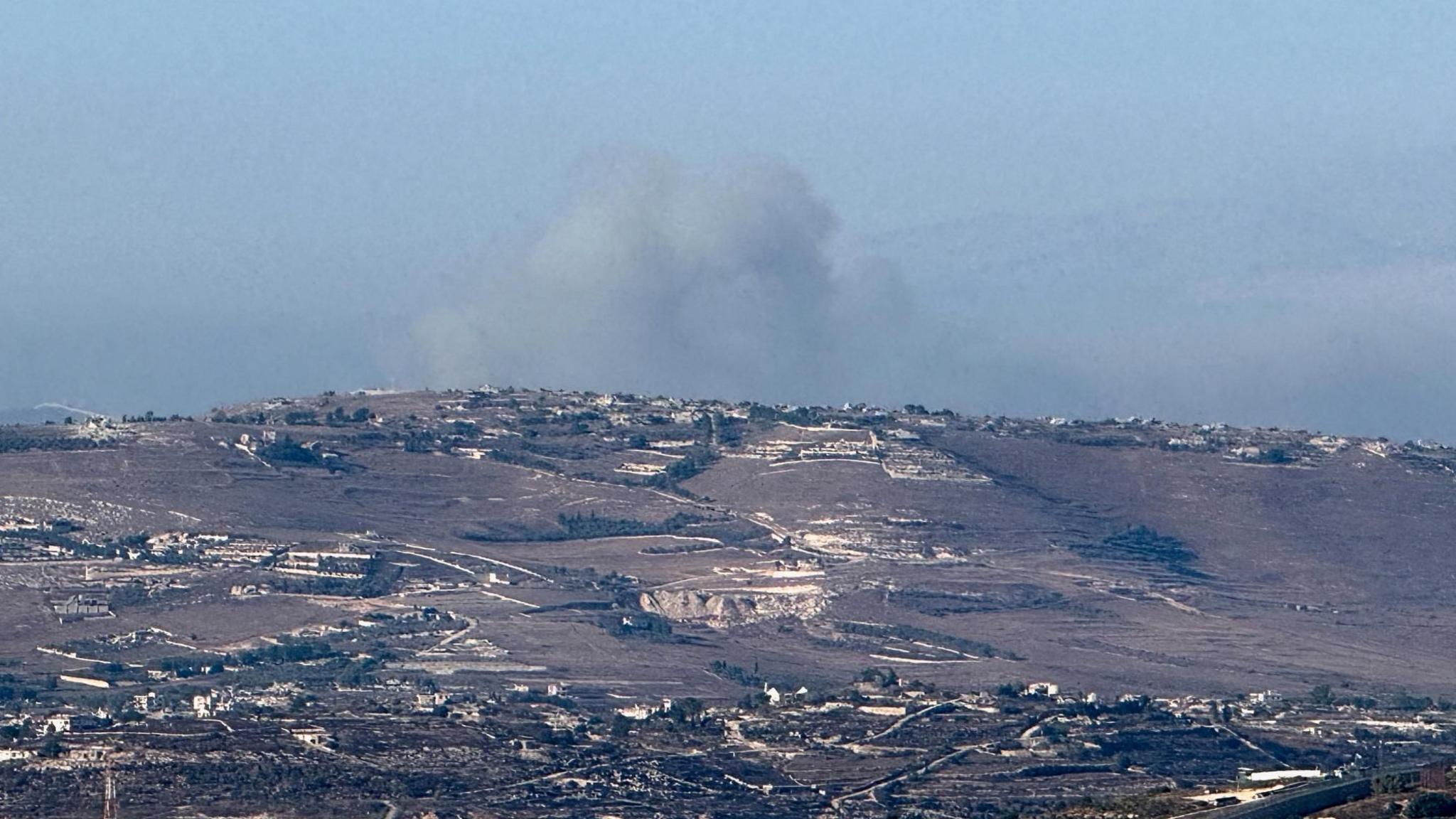
Israel launches strike in southern Lebanon after first evacuation warning in weeks
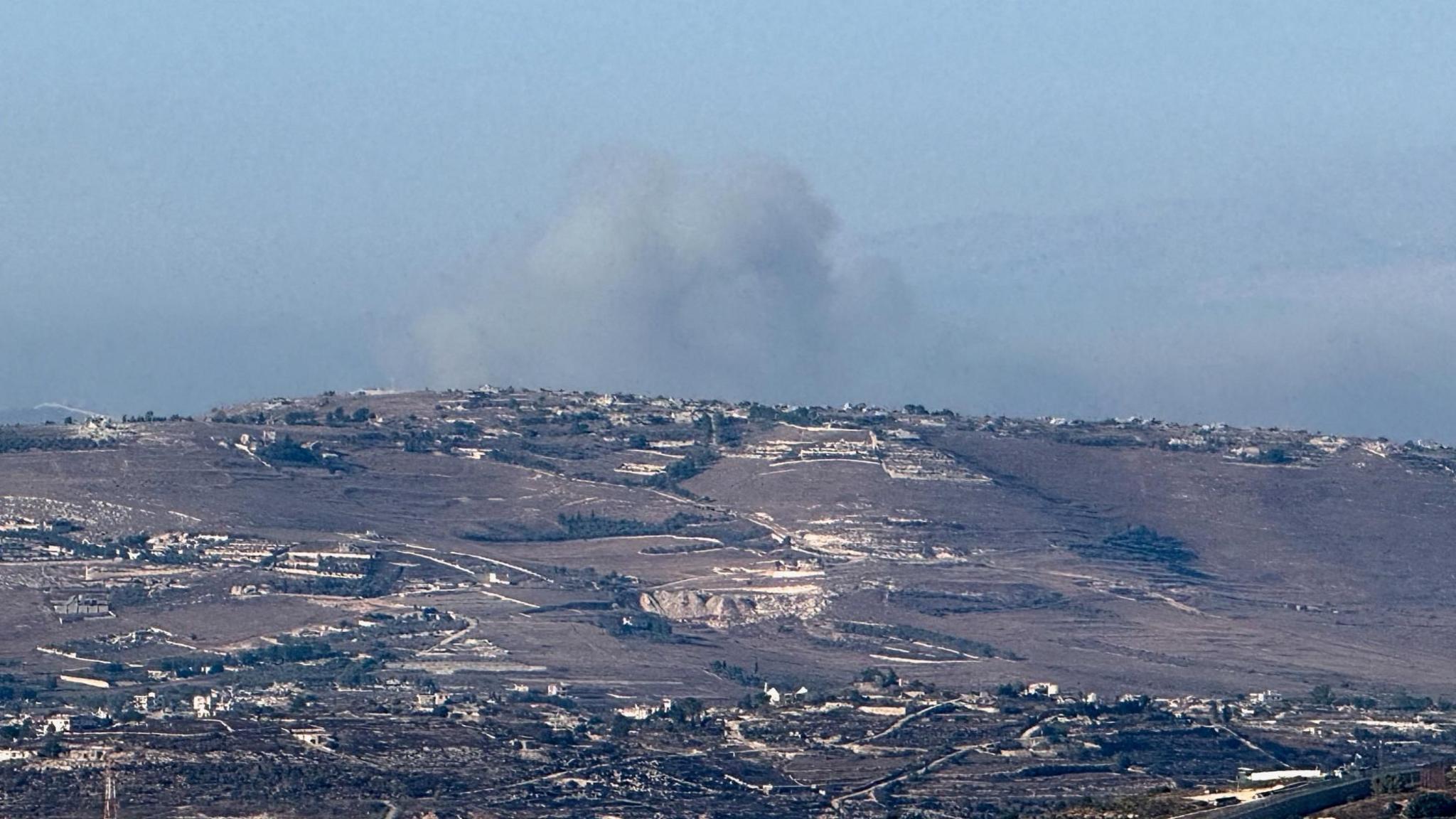
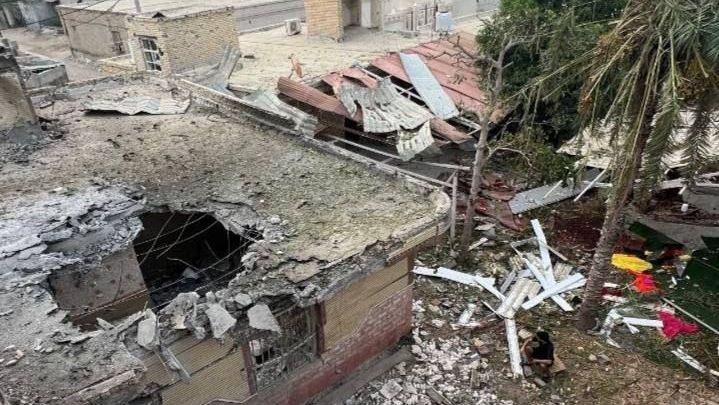
A single person was killed and 12 others injured when Israeli jets struck the roof of a prayer hall at Tibnin cemetery, Lebanon’s health ministry reported, following claims by the Israeli military that Hezbollah had violated a ceasefire agreement.
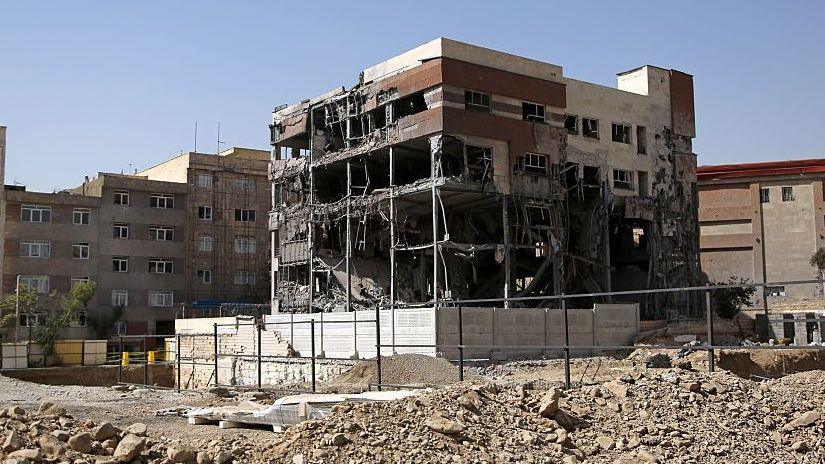
The Israeli attack also hit structures in Mansouri, leading authorities to issue an evacuation order for the town for the first time in over a month.
Hezbollah did not issue a comment on the incident, which occurred while Israeli and Lebanese officials were attending U.S.-sponsored talks in Rome aimed at maintaining the ceasefire.
In late June, a trilateral framework was agreed that would see Israel gradually withdraw from occupied southern Lebanon in exchange for Hezbollah’s disarmament.
Following the withdrawal of Israeli forces from Zawtar al-Gharbiyeh, the Lebanese army was allowed into the first "pilot zone" two weeks ago. Hezbollah rejected the framework, deeming the disarmament conditions unacceptable.
Israeli troops carried out "precise strikes" across southern Lebanon on Wednesday afternoon, about 30 minutes after an Arabic spokesperson warned residents of Mansouri that forceful action would follow.
Israeli media reports that displaced residents of Mansouri returned under the auspices of the Lebanese army, which had established a checkpoint that violated earlier agreements.
The town lies within Israel’s declared 10‑kilometre security zone—a strip of occupied territory along the border—where military activity was said to endanger Lebanese civilians.
The evacuation order marked the first such warning in southern Lebanon since 14 June, when residents of 29 towns were told to leave.
Mayor Haidar Madihli confirmed that Israeli warplanes had struck four buildings in the Ghazaleh neighbourhood, displacing families and prompting them to move toward Tyre.
Madihli noted that about 120 families had returned to Mansouri after the ceasefire in June, but the number had dwindled to 40‑50 as strikes accelerated.
The UN humanitarian office reported that more than 820,000 people displaced by the Israel‑Hezbollah conflict were returning home, though 360,000 remain displaced across Lebanon, including 26,000 in government shelters.
The war began in March when Hezbollah fired rockets into Israel following an attack that killed Iran’s supreme leader. Israel responded with a bombing campaign across Lebanon and a significant southern invasion.
According to the Lebanese health ministry, 4,333 people have been killed in the conflict, including 392 women and 253 children. Since the ceasefire, the ministry has recorded 353 deaths. Israeli reports indicate 38 Israeli soldiers and four civilians have been killed on both sides of the border.