Kushner’s Talks With Netanyahu Aim to Revive Stalled Gaza Peace Plan
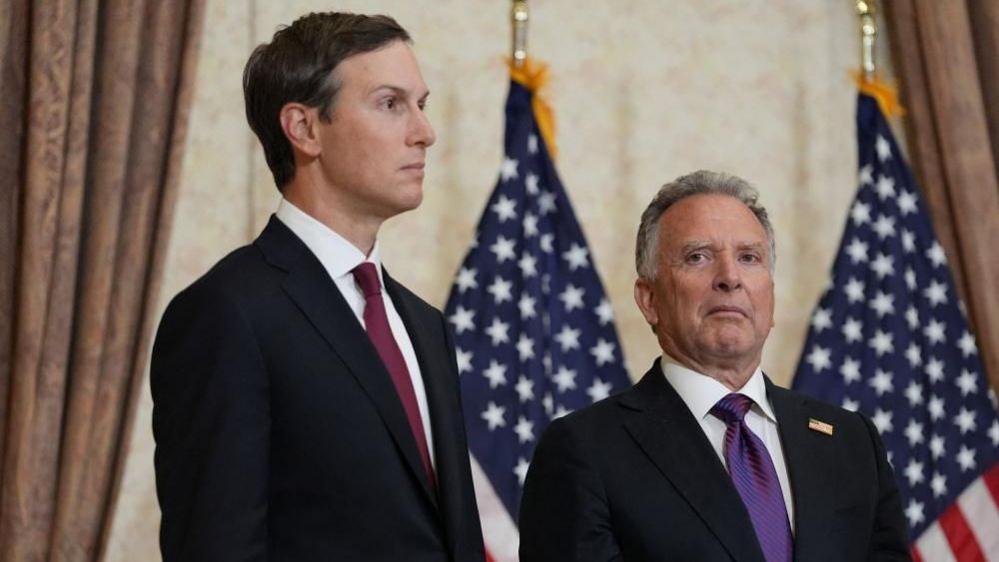
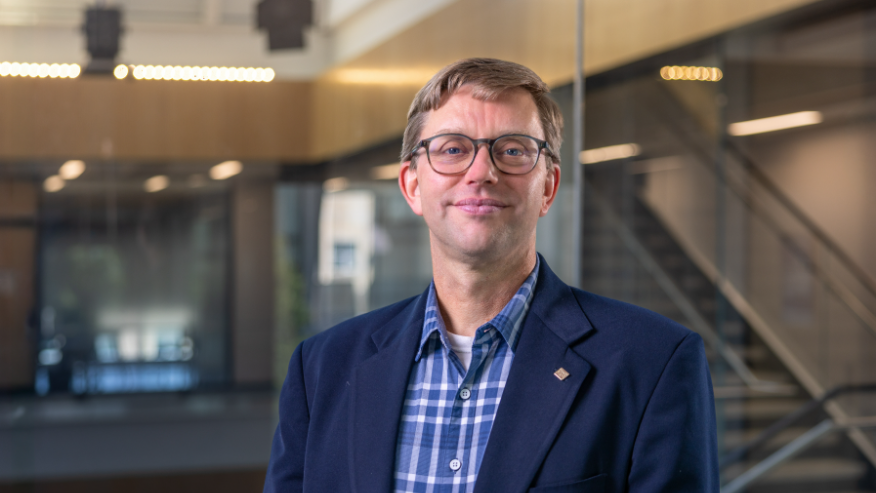
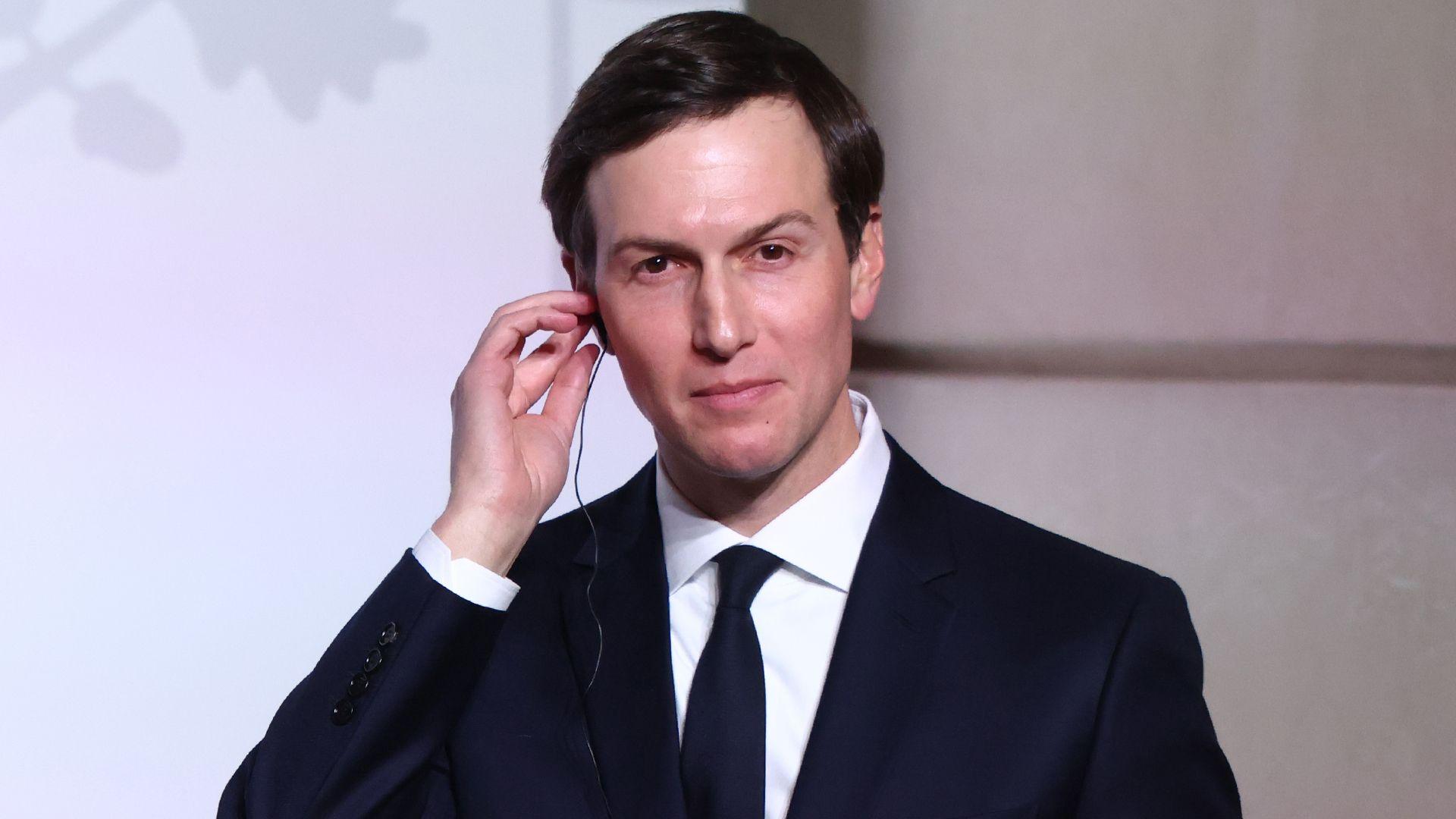
\In a move that could reopen a frozen peace framework, Jared Kushner—Donald Trump’s former senior adviser and now U.S. special envoy for the Middle East—held a prolonged meeting with Israeli Prime Minister Benjamin Netanyahu following brief talks with Hamas.
\Netanyahu’s office said the two sides agreed that any reconstruction in Gaza should wait until Hamas is fully disarmed. According to a spokesperson, the discussion set up two working groups: one on disarmament and demilitarisation of Gaza, and another to tackle sanitation, clean water and public health for Gaza’s residents—and conditions that also affect Israel.
The Board of Peace—a U.S.‑led body originally formed to broker peace in Gaza—was looking to push the plan forward. While Israel rejected the Trump‑sourced 15‑point roadmap a week ago, it remains open to talks that would again require Hamas to relinquish its weapons before any Israeli troop withdrawal could occur.
\Kushner’s meeting with Hamas is seen as the first high‑level dialogue since the ceasefire in October. Behind the scenes, delegations from Egypt, Qatar, and Turkey appear to be working on a mechanism to ensure Hamas fulfills its obligations, including destroying any weapons it hands over.
\Other voices in the region caution that the plan may stall further. Israeli officials—including far‑right National Security Minister Itamar Ben‑Gvir—have called for aggressive military action against Hamas, and political analysts note that Israel’s upcoming elections may harden its position.
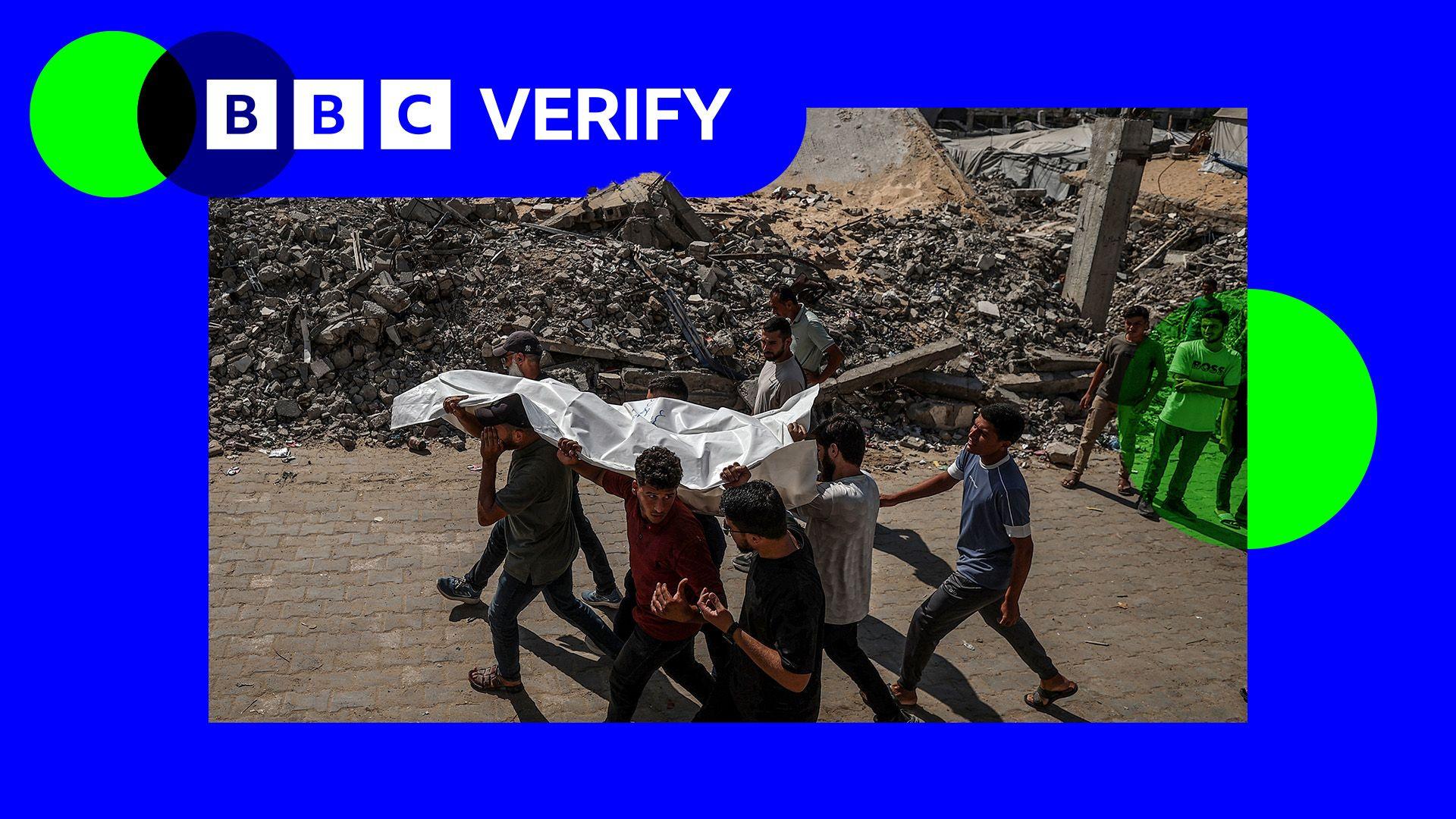
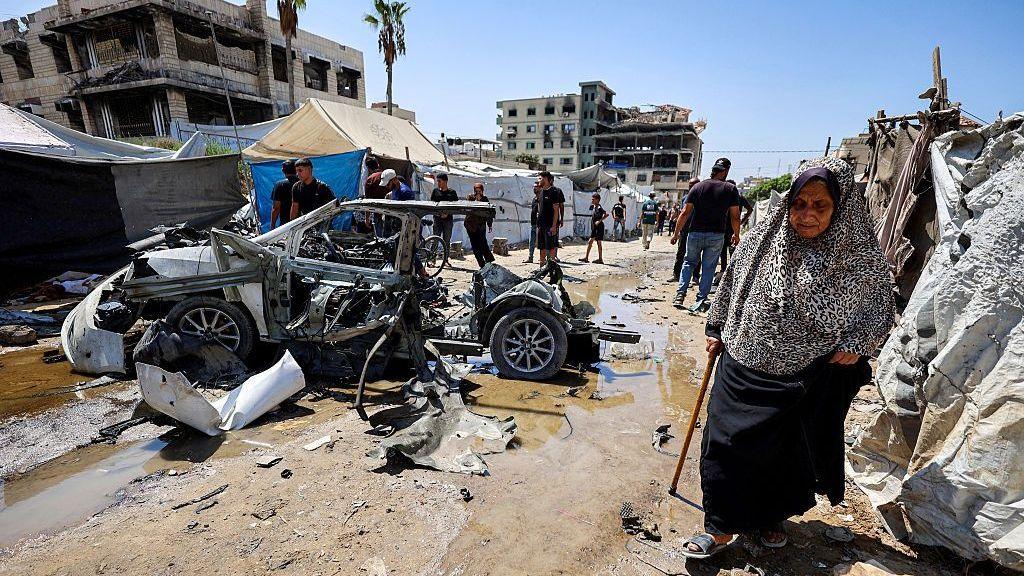
\Meanwhile, the humanitarian toll remains high: more than 1,200 people have died in Gaza since the ceasefire took effect, and the UN estimates that 90 percent of the population has been displaced.
\Key points—
\
- Meeting launched two working groups on Gaza disarmament and humanitarian needs.
- Israel insists full disarmament of Hamas precedesany troop withdrawal.
- Hamas agreed to surrender weapons in exchange for phased Israeli pull‑out.
- Broad regional participation (Egypt, Qatar, Turkey) aims to verify compliance.
- Political pressure in Israel increases risk of tougher stance on Gaza.